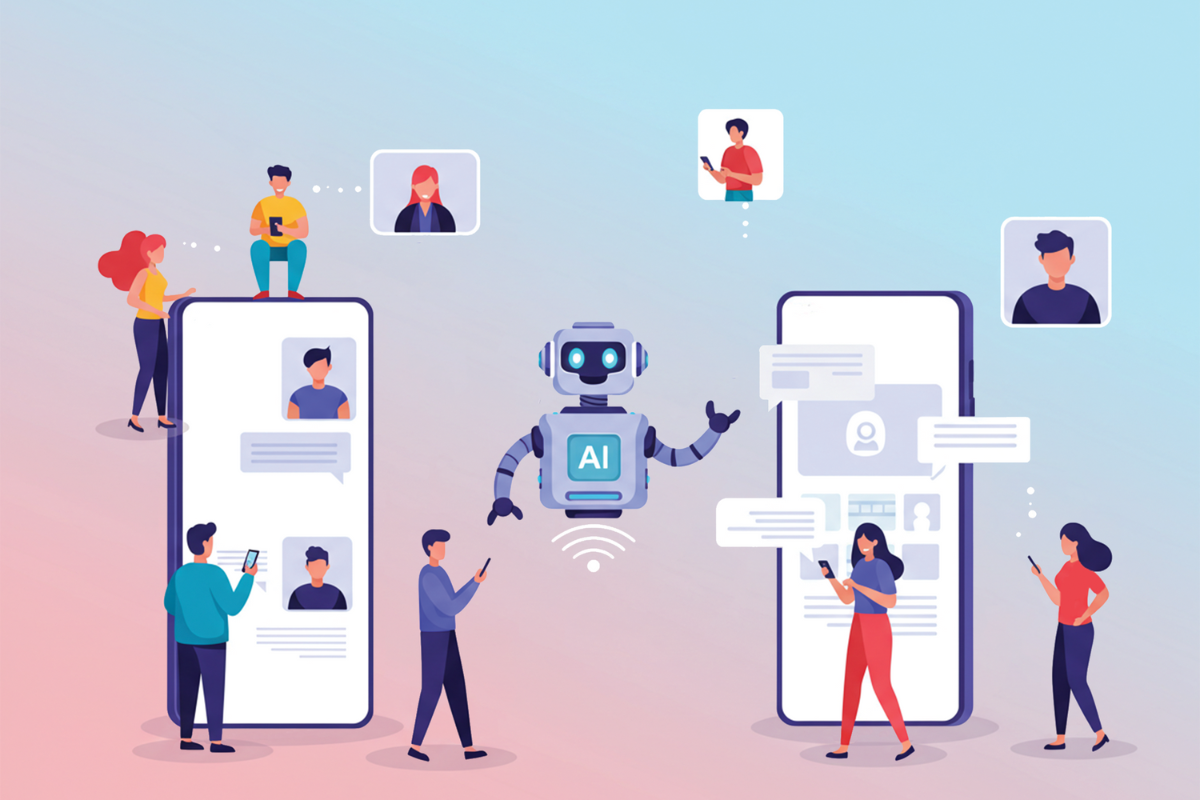
Today, many people turn to online tools—Google, ChatGPT or DeepSeek—when they have health concerns. While these platforms can offer useful information, relying on them without professional medical advice can be misleading and even risky.
How Google, ChatGPT and DeepSeek Find Information
Google crawls online and indexes live web pages. When you search a health term, it lists weblinks to external sites—some authoritative, others less so—without generating its own answers.
On the other hand, ChatGPT and DeepSeek are trained on fixed datasets, and not on live web content. They predict text from past patterns, so their summaries may omit recent medical advances or new guideline changes.
Understanding the Limitations of AI in Healthcare
Artificial Intelligence (AI) tools process large volumes of text to generate responses, but they lack the clinical judgement of healthcare professionals. Over-reliance on AI without grasping its limits can be harmful and it is a big challenge to develop trustworthy AI tools that can give better healthcare advice.
Models such as ChatGPT and DeepSeek depend entirely on the data used during training and the benchmarks applied during validation. For instance, GPT-4’s knowledge cuts off at September 2021 and was evaluated against exam-style medical questions, so it may not know recent guidelines or patient-specific clinical factors . Likewise, unless DeepSeek publishes details of its medical corpora and validation methods, users cannot judge its actual coverage of new research or less common conditions. Recognising these constraints in AI tools will avoid misplaced confidence in AI-generated health advice.
In addition, AI Chatbots can generate fake medical information, and this published June 2025 research in Annals of Internal Medicine showing several AI tools gave disinformation and false answers 100 per cent of the time.
Guidelines for Using AI Tools Before Medical Consultations
- Use AI tools for Preliminary Information, and Not Diagnoses: AI can explain symptoms and conditions, but it cannot replace a proper clinical assessment by a medical doctor.
- Prepare Questions, and Not Conclusions: Frame your concerns as queries to discuss with your doctor, rather than self-diagnosing.
- Verify Information with Credible Sources: Verify AI-provided details against official guidelines or peer-reviewed medical studies.
- Avoid Self-Medication Based on Online Advice: Only a qualified medical professional can safely recommend or adjust treatments.
- Be Aware of AI’s Limitations: Different AI models may omit recent research or personal health factors when offering information.
Is Google Better for Up-to-Date Medical Information?
In terms of recency, yes—Google indexes fresh content constantly, including new research papers, health ministry updates, and breaking medical news. However, it lacks the ability to filter misinformation or evaluate credibility. That responsibility falls on the user.
AI tools and platforms like ChatGPT will present smoother summaries. However, they may not be retrained regularly or connected to live updated data, and may not reflect current clinical standards of medical care.
The Importance of Professional Medical Advice
While AI tools can be informative, they cannot replace the personalised care and expertise of medical professionals. A global study in 2025 by KPMG and the University of Melbourne found that many individuals rely on AI output without evaluating their accuracy led to mistakes in their work . Similarly, this applies to the use of AI tools for healthcare, which underscores the necessity of professional oversight to check for accuracy in health-related matters.
Conclusion
Google, ChatGPT and DeepSeek can aid in gathering preliminary health information, but they must not replace professional medical consultations. If used responsibly and paired with expert clinical advice, AI tools can help individuals make better-informed decisions about their health.
This article was produced solely for the purpose of healthcare and medical knowledge. Not all innovations are available or approved for clinical use. AsiaMD may receive financial or non-financial sponsorship from the companies or institutions involved in these innovations. However, AsiaMD does not endorse any specific product or services in the article, in addition to the Terms and Conditions for the use of our AsiaMD.com website. Please consult your healthcare professional if you need more information.