


More in News
-


News
Avian Influenza Reassortment Raises Spillover Risk
New H5N1 lineages in South and Southeast Asia are reshaping zoonotic risk, with experts warning of...
-


News
Asia MD @ Eldex Asia 2026: Free Screenings That Put Care First
Asia MD’s booth became a hub of excitement as participants flocked to experience professional eye and...
-


Innovations
ZC Chen on Taiwan’s Next-Gen MedTech Innovations | Medical Fair Asia 2026 | AsiaMD
How is Taiwan advancing the future of medical technology and healthcare innovation? At Medical Fair Asia...
-

Innovations
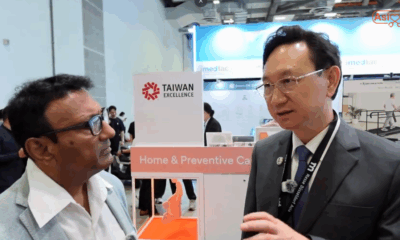
Dr. Tung Chen-yuan on “From Taiwan with Care: Discover Next-Gen MedTech” | Medical Fair Asia 2026
Discover how Taiwan is shaping the future of healthcare through innovation in medical technology. During Medical...
-


News
Singapore’s Silver Economy Comes of Age
A landmark exhibition and conference, ELDEX Asia 2026 brought together global innovators, clinicians, and policymakers to...
Advertisement


Trending