Microchips lined with living human cells are reshaping drug discovery, personalized medicine, and the future of humane research. K Dass investigates and bring you evidence on organs-on-chips.
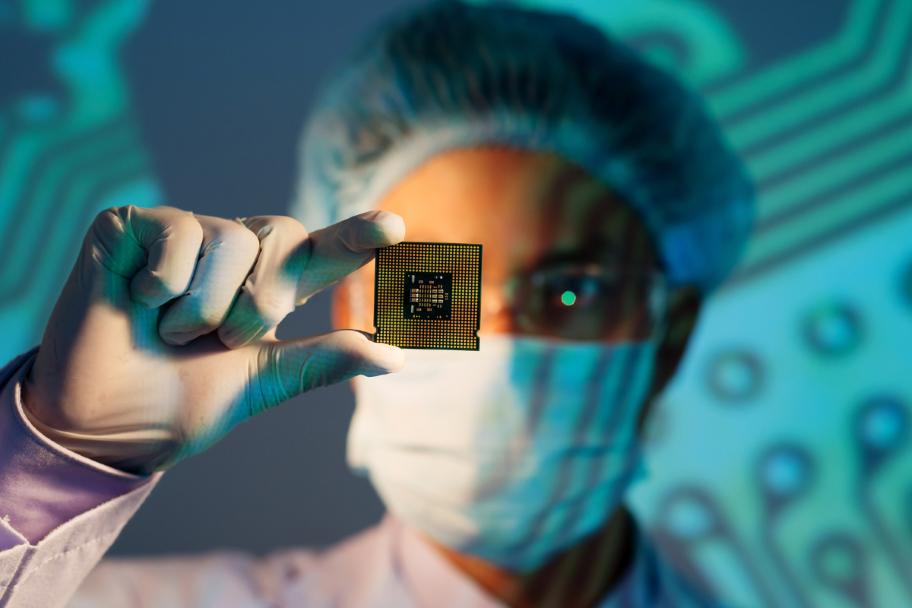
In laboratories around the world, a quiet revolution is underway. Researchers are building “organs-on-chips”, tiny devices no larger than a USB stick, lined with living human cells, and engineered to mimic the function of vital organs such as the heart, lungs, liver, and kidneys. These miniature systems promise to transform biomedical research, offering safer, faster drug discovery and a humane alternative to animal testing.
Engineering Life on a Chip
At the core of this innovation is microfluidics technology. Each chip contains channels through which nutrients and air flow, recreating the dynamic environment of human tissues. By layering cells in precise arrangements, scientists can replicate the beating of a heart, the expansion of lungs, or the detoxifying function of the liver. Unlike static cell cultures, organs-on-chips simulate the mechanical and biochemical cues that drive real physiology.
This fidelity matters. Drugs that once looked promising in animal models often fail in human trials because animal biology cannot fully replicate human responses. Organs-on-chips bridge that gap, providing a platform that is both human-relevant and ethically sound.
Accelerating Drug Discovery
The pharmaceutical industry faces a daunting challenge: developing a new drug can take over a decade and cost billions of dollars, with high failure rates in clinical trials. Organs-on-chips offer a way to screen compounds more efficiently, identifying toxicity and efficacy earlier in the pipeline.
For example, a liver-on-chip can reveal whether a drug candidate will cause hepatotoxicity, while a lung-on-chip can test therapies for respiratory diseases under conditions that mimic breathing. By integrating multiple chips, researchers can even simulate how drugs move through the body, an interconnected human-on-chip system that could revolutionize pharmacology.
Personalized Medicine on the Horizon
Beyond drug discovery, organs-on-chips hold promise for personalized medicine. By using cells derived from individual patients, clinicians could test how a therapy will perform before prescribing it. This approach could be transformative for cancer treatment, rare diseases, and conditions where standard therapies fail.
Imagine a future where a patient’s own cells are used to build a chip, allowing doctors to predict side effects, optimize dosages, and tailor interventions with unprecedented precision.
A Humane Alternative to Animal Testing
Animal testing has long been a cornerstone of biomedical research, but it raises ethical concerns and often produces results that do not translate well to humans. Organs-on-chips present a humane and scientifically superior alternative, reducing reliance on animals while improving predictive accuracy. Regulatory agencies are beginning to recognize their potential, with the U.S. Food and Drug Administration (FDA) exploring pathways to incorporate chip data into approval processes.
The Road Ahead
Challenges remain scaling production, standardizing protocols, and ensuring chips capture the complexity of whole-body interactions. Yet momentum is building. As technology advances, organs-on-chips could become indispensable tools in laboratories, reshaping how medicine is developed and delivered.
The promise is clear: safer drugs, faster innovation, personalized care, and a future where science no longer depends on animal sacrifice. Organs-on-chips are not just miniature labs they are a vision of medicine’s next frontier. Asia MD
Global Research
- Harvard’s Wyss Institute (USA): Led by Dr. Don Ingber, the team pioneered organ-on-chip technology to replicate lung, gut, and liver functions, aiming to transform drug development and reduce reliance on animal models.
- A*STAR (Singapore): Researchers are advancing lab-on-chip technologies for biomedical testing, integrating sample preparation, analysis, and detection into compact devices that speed up diagnostics and reduce costs.
- Europe: Labs in Germany and the Netherlands are experimenting with organ chips for neurological and cardiovascular research, positioning them as tools for precision medicine.