This article has been fact-checked by Dr Chong Kian Tai, urologist at Surgi-TEN Specialists, Farrer Park Hospital, Singapore.
About the Doctor
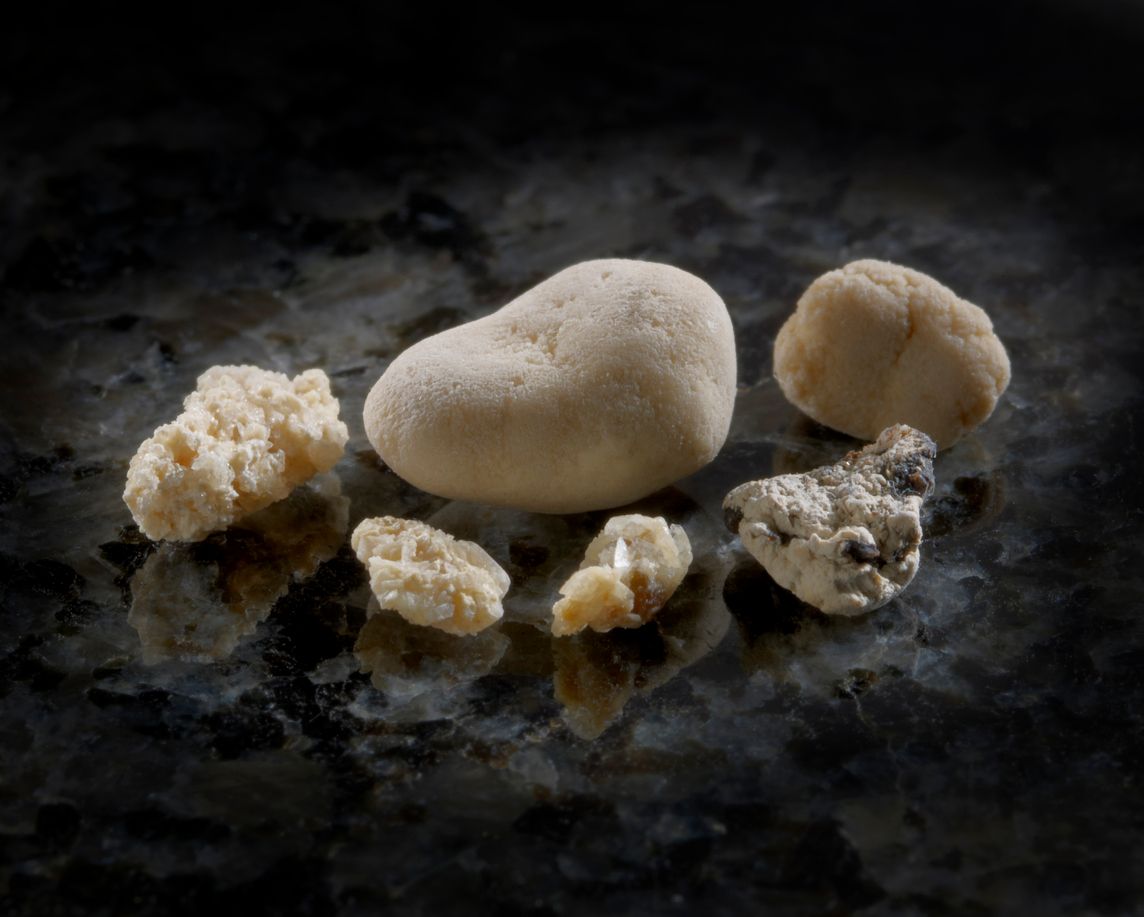
Kidney stones are a common urinary problem that can cause sudden, severe pain and disrupt daily life. They form when minerals and salts crystallize inside the kidneys, creating hard deposits that may stay in the kidney or travel through the urinary tract. While kidney stones can affect anyone, certain lifestyle and medical factors increase the risk. The good news is that most stones are treatable, and many can be prevented with simple changes in diet and hydration.
What Causes Kidney Stones?
Kidney stones develop when urine becomes concentrated, allowing minerals to stick together and form crystals. Over time, these crystals grow into stones of varying sizes.
Common causes and risk factors include:
- Dehydration: Not drinking enough fluids leads to concentrated urine, which encourages stone formation.
- High salt intake: Too much sodium increases calcium in urine, raising stone risk.
- Diets high in oxalate: Foods such as spinach, nuts, and beets are high in oxalates, which can bind to calcium and form stones.
- Excessive animal protein: Diets rich in red meat and shellfish increase uric acid, contributing to stone formation.
- Family history: A genetic predisposition makes some people more prone to stones.
- Medical conditions: Obesity, diabetes, gout, and recurrent urinary tract infections can all increase risk.
Symptoms of Kidney Stones
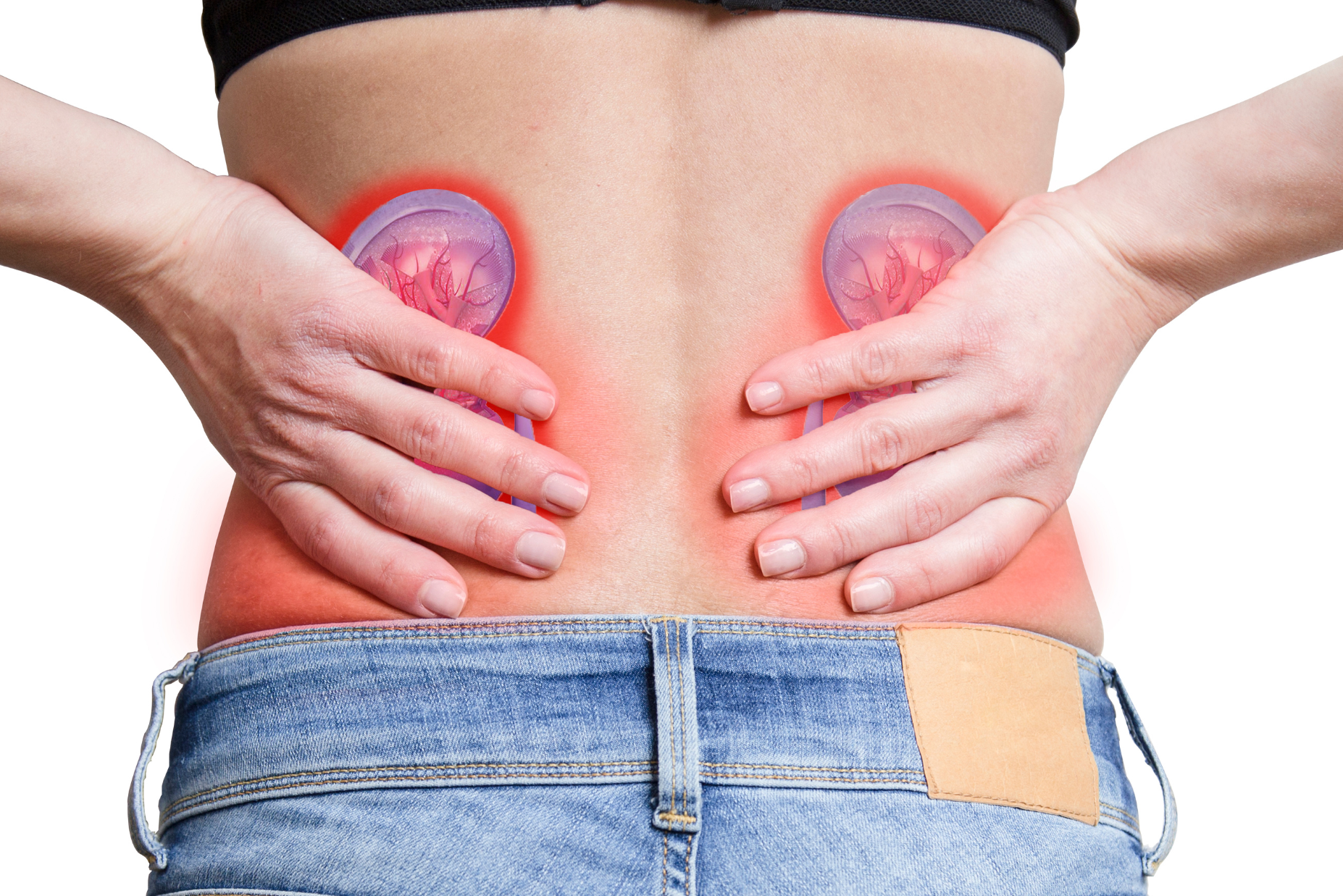
The hallmark symptom is sudden, sharp pain often described as one of the most intense types of pain. It usually begins in the back or side and may radiate to the lower abdomen or groin. Other symptoms include:
- Blood in the urine (pink or red discoloration)
- Frequent or painful urination
- Nausea and vomiting
- Cloudy or foul-smelling urine
- Fever and chills (if an infection is present)
Preventing Kidney Stones
Prevention is often possible, especially for people with a history of stones. Key strategies include:
- Stay hydrated: Drinking plenty of water dilutes urine, making it harder for stones to form. Aim for at least 2–3 liters daily.
- Limit salt: Reducing sodium lowers calcium levels in the urine. Avoid processed foods and restaurant meals, which are often high in salt.
- Moderate animal protein: Cut back on red meat and high-purine foods if uric acid stones are a concern.
- Balanced calcium intake: Contrary to belief, moderate calcium from foods (not supplements) may help prevent stones by binding oxalate in the gut.
- Be mindful of oxalate-rich foods: Spinach, nuts, and chocolate can contribute to stone formation, especially when eaten in large amounts. Pairing them with calcium-rich foods can reduce risk.
Treatment Options
Treatment depends on the size and type of stone:
- Small stones: Often pass naturally with increased water intake and pain relief.
- Medications: Alpha blockers can relax lower ureter muscles, making it easier for stones to pass.
- Extracorporeal shock wave lithotripsy (ESWL): Uses shock waves to break stones into smaller pieces that can be passed more easily.
- Flexible ureteroscopy: A thin scope inserted through the ureter removes or fragments the kidney stone using stone laser energy. The procedure called retrograde intrarenal surgery (RIRS) does not have any surgical skin scars.
- Surgery: Larger or complicated stones may require minimally invasive or open surgical removal.
Final Thoughts
Kidney stones are painful but manageable with prompt care and long-term prevention strategies. Staying hydrated, making smart dietary choices, and seeking timely medical attention are the best defenses. If you experience severe flank pain, blood in the urine, or urinary difficulties, consult a healthcare provider. With the right approach, most kidney stones can be treated effectively, and future recurrences can often be prevented.