This article has been fact-checked by Dr Timothy Lim Yong Kuei, gynecologist at Timothy Lim Clinic for Women & Cancer Surgery, Mount Alvernia Hospital, Singapore.
About the Doctor
Uterine fibroids are one of the most common gynaecological disorders in women of reproductive age. While the diagnosis can be concerning when you hear it, the good news is that most fibroids are benign and many of them never need treatment. The decision to treat depends not on the presence of fibroids alone, but on whether they are causing symptoms, affecting fertility, or impacting quality of life.
What Are Uterine Fibroids?
Uterine fibroids (also known as leiomyomas or myomas) are non-cancerous growths that arise from the smooth muscle of the uterus. They vary in size from small nodules to large masses that can distort the uterus.
The exact cause is not clear, but oestrogen and progesterone promote fibroid growth. Risk factors include genetics, ageing during the childbearing years, obesity, family history, early onset of menstruation, and African ancestry.
What Symptoms Can Fibroids Cause?
Many women with fibroids have no symptoms and discover them incidentally during a routine pelvic examination or ultrasound. Others experience symptoms that significantly affect daily life.
Common symptoms include:
- Heavy or prolonged menstrual bleeding
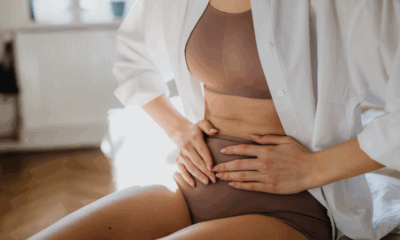
- Pelvic pain or menstrual cramps
- A feeling of pelvic pressure or fullness
- Frequent urination due to pressure on the bladder
- Constipation or difficulty passing stool if the bowel is compressed
- Pain during intercourse
- Difficulty conceiving or recurrent miscarriage in selected cases
- Pregnancy complications such as malpresentation, preterm labor, or cesarean delivery in some women
The severity of symptoms depends more on the fibroid’s size and location than on the number of fibroids present.
When Can Fibroids Be Left Alone?
Not every fibroid requires treatment. Small fibroids that do not cause symptoms are often managed with observation alone.
Your doctor may recommend regular follow-up with pelvic examinations and periodic ultrasound scans to monitor for changes in size or symptoms. Many fibroids remain stable for years, while others shrink naturally after menopause as hormone levels decline.
Women should seek medical review if symptoms develop or existing symptoms worsen.
When Should Fibroids Be Treated?
Treatment is generally recommended when fibroids interfere with health, fertility, or quality of life.
Medical evaluation is appropriate if fibroids cause:
- Heavy menstrual bleeding leading to iron-deficiency anaemia
- Persistent pelvic pain or pressure
- Frequent urination or bowel symptoms caused by compression
- Rapid enlargement, particularly after menopause
- Infertility when fibroids are thought to affect implantation or distort the uterine cavity
- Recurrent pregnancy loss associated with cavity-distorting fibroids
- Suspicion of malignancy, although cancerous transformation is extremely rare
The decision to treat should always be individualised.
What Treatment Options Are Available?
Several effective treatments are available depending on symptoms, reproductive plans, and fibroid characteristics.
Medical treatment is often the first step for women with mild to moderate symptoms. Hormonal therapies can help control heavy bleeding, while tranexamic acid reduces menstrual blood loss without affecting hormone levels.
Minimally invasive procedures provide alternatives to surgery. Uterine artery embolisation blocks the blood supply to fibroids, causing them to shrink. MRI-guided focused ultrasound uses high-intensity ultrasound waves to destroy fibroid tissue without incisions. Radiofrequency ablation uses heat energy to shrink fibroids while preserving the uterus.
Surgical treatment remains the most definitive option for many women. Myomectomy removes fibroids while preserving the uterus, making it the preferred choice for women who wish to have children in the future. Hysterectomy permanently removes the uterus and eliminates fibroids, making it suitable for women with severe symptoms who have completed their families.
How Is Treatment Chosen?
There is no single best treatment for every woman. The ideal approach depends on several factors, including:
- Age and proximity to menopause
- Severity of symptoms
- Desire for future pregnancy
- Number, size, and location of fibroids
- Overall health and medical conditions
- Personal preferences regarding recovery time, fertility preservation, and treatment goals
Key Takeaways
Uterine fibroids are extremely common, but treatment is not always necessary. Many fibroids can be safely monitored if they are small and symptom-free. However, heavy bleeding, pain, pressure symptoms, fertility concerns, or rapid growth warrant medical evaluation. With advances in medications, minimally invasive procedures, and fertility-preserving surgery, most women can find an effective treatment that relieves symptoms while supporting their long-term health and reproductive goals.
References
- Stewart, Elizabeth A. “Uterine fibroids.” The Lancet 357.9252 (2001): 293-298.
- Bulun, Serdar E. “Uterine fibroids.” New England Journal of Medicine 369.14 (2013): 1344-1355.
- De La Cruz, Maria Syl D., and Edward M. Buchanan. “Uterine fibroids: diagnosis and treatment.” American family physician 95.2 (2017): 100-107.
- Donnez, Jacques, and Marie-Madeleine Dolmans. “Uterine fibroid management: from the present to the future.” Human reproduction update 22.6 (2016): 665-686.