This article has been fact-checked by Dr Timothy Lim Yong Kuei, gynecologist at Timothy Lim Clinic for Women & Cancer Surgery, Mount Alvernia Hospital, Singapore.
About the Doctor
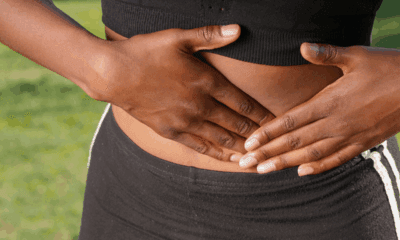
A normal menstrual cycle is an important indicator of a woman’s reproductive and overall health. Most women have menstrual cycles every 21 to 35 days, with bleeding lasting between two and seven days. While slight variations are common, persistent changes in the timing, duration, amount of bleeding, or level of pain should be evaluated.
What Are Menstrual Disorders?
Menstrual disorders are conditions that alter the normal pattern of menstruation. They may affect the frequency, duration, and volume of bleeding or cause significant pain.
Common menstrual disorders include:
- Heavy menstrual bleeding (HMB): Excessive menstrual blood loss that interferes with daily activities or causes anaemia.
- Irregular periods: Menstrual cycles that occur too frequently, too infrequently, or unpredictably.
- Painful periods (dysmenorrhea): Menstrual cramps that are severe enough to limit normal activities.
- Absent periods (amenorrhoea): Missing menstrual periods due to pregnancy, hormonal disorders, excessive exercise, or other medical conditions.
- Intermenstrual bleeding: Bleeding that occurs between regular menstrual periods.
- Postmenopausal bleeding: Any vaginal bleeding after menopause, which always requires medical evaluation.
What Causes Menstrual Disorders?
The International Federation of Gynecology and Obstetrics (FIGO) classifies abnormal uterine bleeding using the PALM-COEIN system.
Structural causes (PALM)
- P – Polyps
- A – Adenomyosis
- L – Leiomyomas (fibroids)
- M – Malignancy and endometrial hyperplasia
Non-structural causes (COEIN)
- C – Coagulopathy (bleeding disorders)
- O – Ovulatory dysfunction
- E – Endometrial disorders
- I – Iatrogenic causes (medications or medical devices)
- N – Not otherwise classified
Other important causes include:
- Polycystic ovary syndrome (PCOS): A common hormonal disorder causing irregular or absent ovulation.
- Thyroid disease: Both hypothyroidism and hyperthyroidism can disrupt menstrual cycles.
- Adenomyosis: Endometrial tissue grows within the uterine muscle, causing heavy and painful periods.
- Endometriosis: Tissue similar to the uterine lining grows outside the uterus, leading to chronic pelvic pain and dysmenorrhea.
- Fibroids: Benign uterine tumors that often cause heavy or prolonged menstrual bleeding.
- Pregnancy-related conditions: Miscarriage, ectopic pregnancy, and other pregnancy complications should always be considered in women of reproductive age presenting with abnormal bleeding.
How Are Menstrual Disorders Evaluated?
A thorough assessment helps identify the underlying cause and guides treatment.
Clinical history
The doctor will ask about:
- Menstrual cycle pattern
- Amount and duration of bleeding
- Severity of pain
- Pregnancy history
- Current medications
- Contraceptive use
- Medical and family history
Physical examination
A general and pelvic examination may identify:
- Uterine enlargement
- Pelvic tenderness
- Fibroids or adnexal masses
- Signs of hormonal disorders
Laboratory tests
Depending on the symptoms, investigations may include:
- Pregnancy test
- Complete blood count (CBC)
- Iron studies
- Thyroid function tests
- Hormonal profile when indicated
- Coagulation studies in selected patients
Imaging and procedures
Further evaluation may include:
- Pelvic ultrasound: First-line imaging for the uterus and ovaries.
- Hysteroscopy: Direct visualization of the uterine cavity to diagnose and treat polyps or submucosal fibroids.
- Endometrial biopsy: Recommended when endometrial cancer or hyperplasia needs to be excluded, particularly in women over 45 years or younger women with risk factors.
Modern Treatment Options
Treatment depends on the underlying diagnosis, symptom severity, age, and future fertility plans.
Medical management
Many women can be successfully treated without surgery.
Common treatment options include:
- NSAIDs: Reduce menstrual pain and modestly decrease menstrual blood loss.
- Tranexamic acid: Effectively reduces heavy menstrual bleeding during menstruation.
- Combined oral contraceptives: Regulate cycles while reducing bleeding and menstrual pain.
- Progesterone therapy: Useful for ovulatory dysfunction and endometrial protection.
- Levonorgestrel-releasing intrauterine system (LNG-IUS): One of the most effective long-term treatments for heavy menstrual bleeding.
- GnRH analogues: Temporarily suppress oestrogen production and may be used before surgery or to manage severe fibroids or endometriosis.
Surgical management
Surgery may be appropriate when medications fail or structural abnormalities are present.
Options include:
- Endometrial ablation: Destroys the uterine lining to reduce heavy bleeding in women who have completed childbearing.
- Hysteroscopic procedures: Remove endometrial polyps or submucosal fibroids through minimally invasive surgery.
- Myomectomy: Removes fibroids while preserving the uterus for women wishing to maintain fertility.
- Hysterectomy: The definitive treatment for severe symptoms when childbearing is complete.
Key Takeaways
Menstrual disorders are common and can affect women at every stage of reproductive life. Fortunately, advances in diagnosis and treatment mean that most conditions can be managed successfully.
If menstrual symptoms are persistent, severe, or interfere with daily life, women should seek medical evaluation rather than accept them as ‘normal’. Early diagnosis not only improves quality of life but also helps prevent complications such as anaemia, infertility, and delayed detection of serious conditions.
References
- Deligeoroglou, Efthimios, and George Creatsas. “Menstrual disorders.” Endocrine development 22 (2012): 160-170.
- Gray, Susan Hayden. “Menstrual disorders.” Pediatrics in review 34.1 (2013): 6-18.
- Bahamondes, Luis, and Moazzam Ali. “Recent advances in managing and understanding menstrual disorders.” F1000prime reports 7 (2015): 33.
- Anthon, Christiane, et al. “Menstrual disorders in adolescence: diagnostic and therapeutic challenges.” Journal of Clinical Medicine 13.24 (2024): 7668.
- Harlow, Sioban D. “Menstruation and menstrual disorders.” Women and health. Academic Press, 2026. 413-432.