

News
World Ageing Festival 2026: Embracing Longevity, Shaping the Future

Asia’s most influential ageing industry event returned to Singapore with a bold vision: to reframe longevity as both a regional priority and a global opportunity. Organised by Ageing Asia in partnership with Singapore Management University (SMU), the festival brought together policymakers, industry leaders, academics, and innovators to chart the future of ageing and the silver economy. K Dass reports.
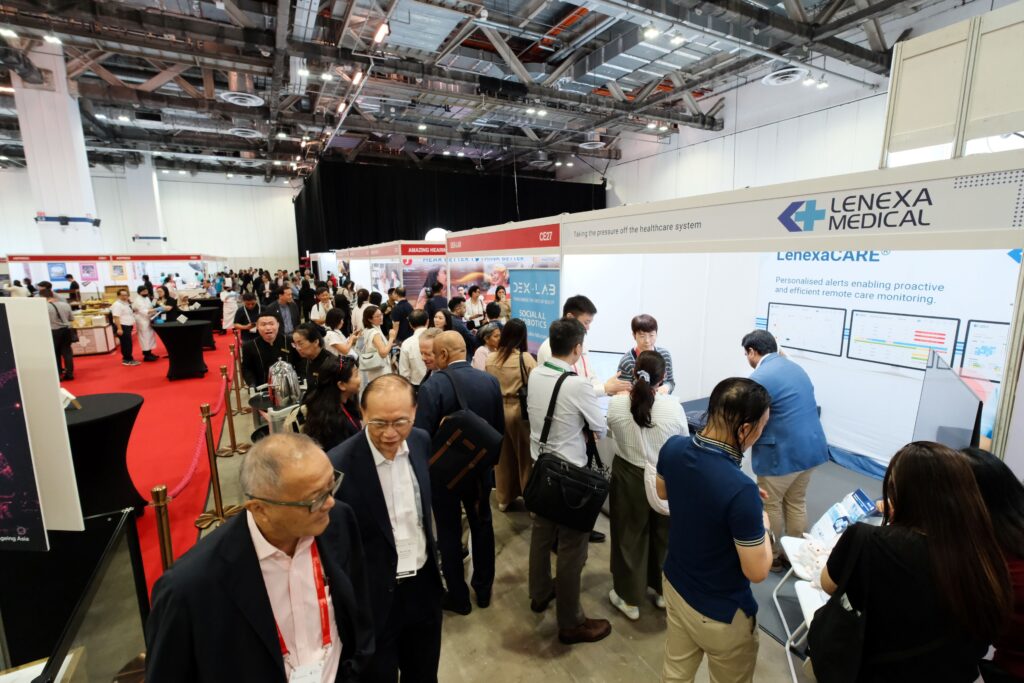
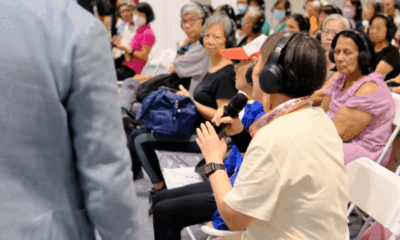
Singapore: The World Ageing Festival 2026 unfolded in Singapore as a landmark gathering that underscored the urgency and promise of longevity in Asia. Organised by homegrown social enterprise Ageing Asia, and strengthened by the academic partnership of SMU, the Festival was more than a conference, it was a global platform for dialogue, knowledge exchange, and collaboration. Anchored by the theme “Embracing Longevity: Asia’s Priority, the World’s Opportunity”, the event drew policymakers, industry leaders, academics, and community organisations from across Asia Pacific and beyond, united by a shared vision of reimagining ageing.
The festival opened with a keynote speech by Minister of State Dinesh, who highlighted the evolving role of seniors in Singapore’s economy and society. He noted that today’s seniors are better educated, more skilled, and equipped with decades of hard-earned experience compared to previous generations. With longer, healthier lives, they now have an extended runway in the workforce, should they wish to continue contributing. Employment, he emphasised, is not just about income, it provides purpose, opportunities for continued learning, and meaningful engagement with the community. For those financially secure, later life can be a time to pursue passions, learn new skills, and align work with personal values.
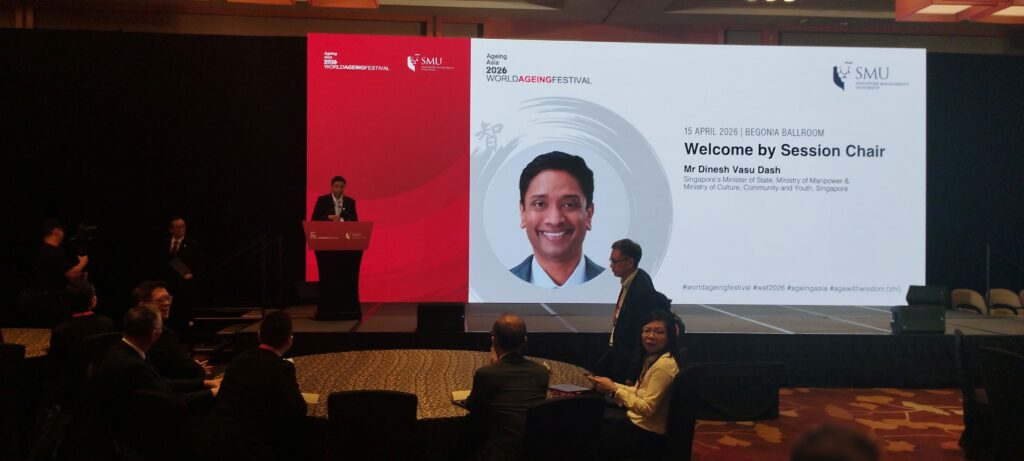
Minister Dinesh’s remarks resonated with the festival’s broader mission: to empower seniors to embark on longer careers, explore varied job roles, and support employers in managing multi-generational workforces. He stressed that both workers and employers must play critical roles in harnessing this demographic shift. With longer productive lifespans ahead, Singaporeans will face multiple waves of business and technological change, requiring greater ownership of careers, skills, and work arrangements. His optimism was palpable as he pointed to the collective commitment in the room, expressing confidence that Singapore could stand out globally by maximising the potential of an ageing workforce.
Beyond the keynote, the festival featured three major pillars that showcased innovation and collaboration. The Ageing Asia Innovation Forum served as a thought leadership platform, uniting industry leaders, policymakers, innovators, and eldercare providers. With participation from over 500 businesses, investors, developers, and governments, the forum championed forward-thinking strategies in senior living, rehabilitation, community health, and AgeTech. Discussions centred on workforce transformation and rehabilitation, offering cutting-edge insights and actionable outcomes.
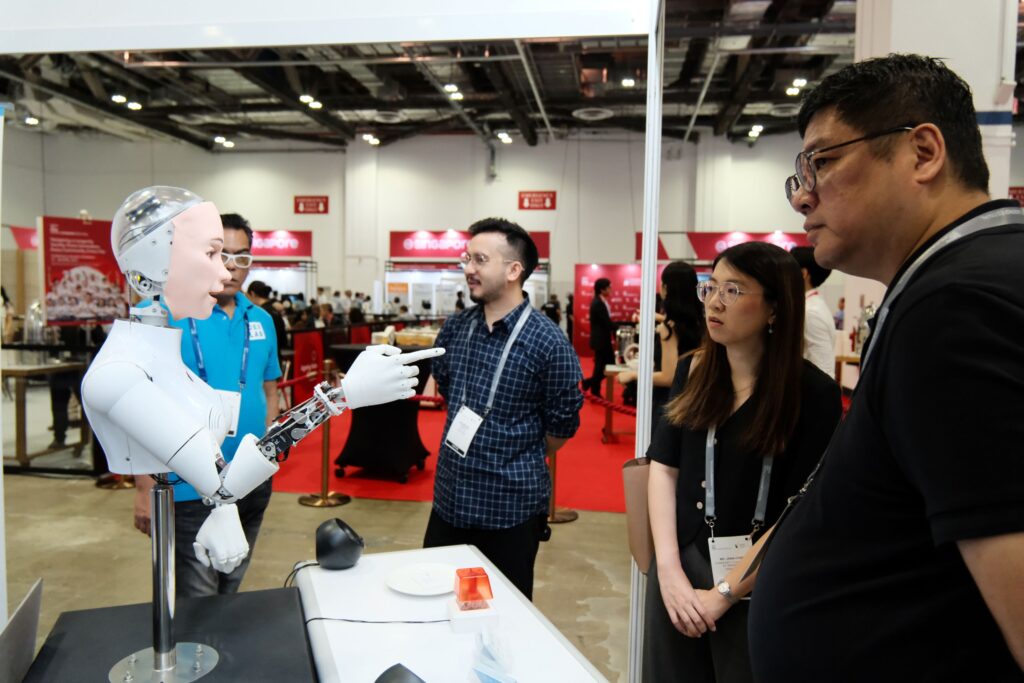
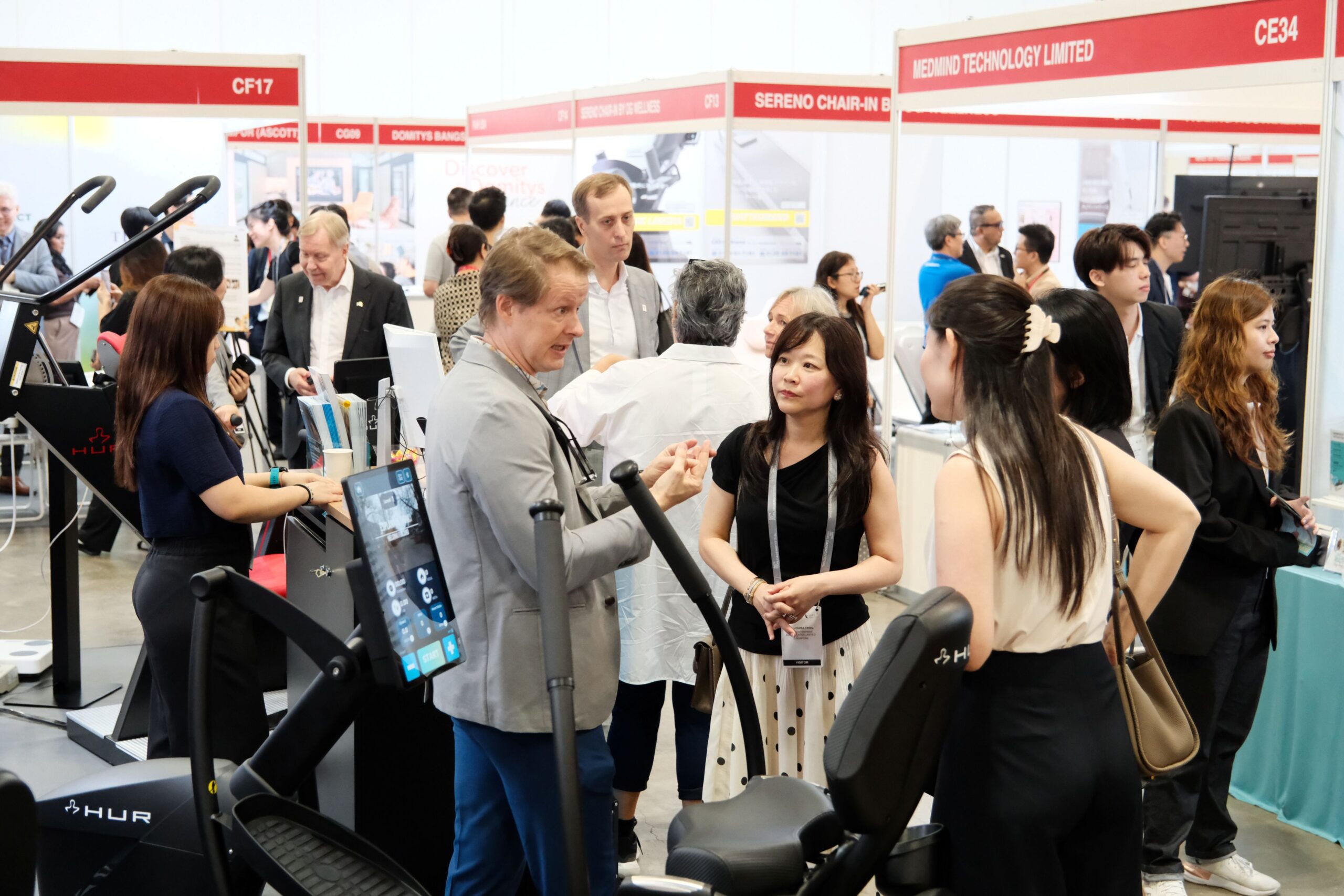
The Ageing Asia Innovation Exhibition provided a dynamic showcase of more than 200 exhibits, reimagining how care and support can be integrated into everyday living. From assistive technologies and home care solutions to active ageing innovations and wellness products, the exhibition connected innovators, communities, and seniors in a vibrant exchange of ideas.
Meanwhile, the Eldercare Operations Seminar advanced dialogue on sustainable models, workforce strategies, and technology integration in eldercare services. Thought leaders, operators, and policymakers shared practical perspectives on building inclusive, future-ready care systems. As the Festival concluded, one message was clear: ageing is not merely a challenge to be managed, but an opportunity to be embraced. With Asia at the forefront of demographic change, the region is uniquely positioned to lead global innovation in ageing.