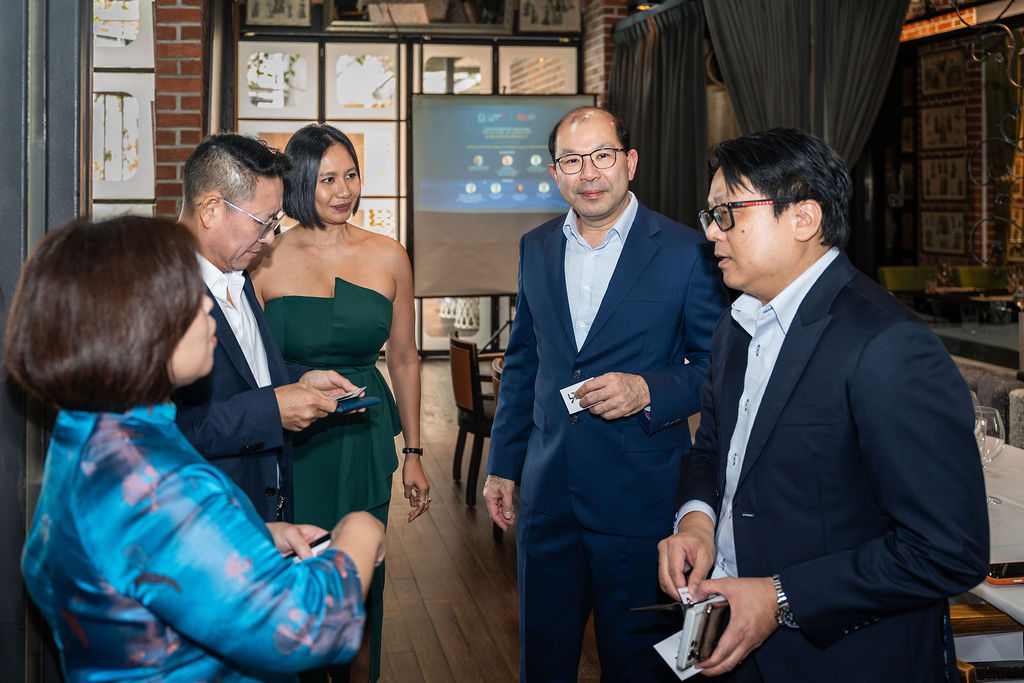
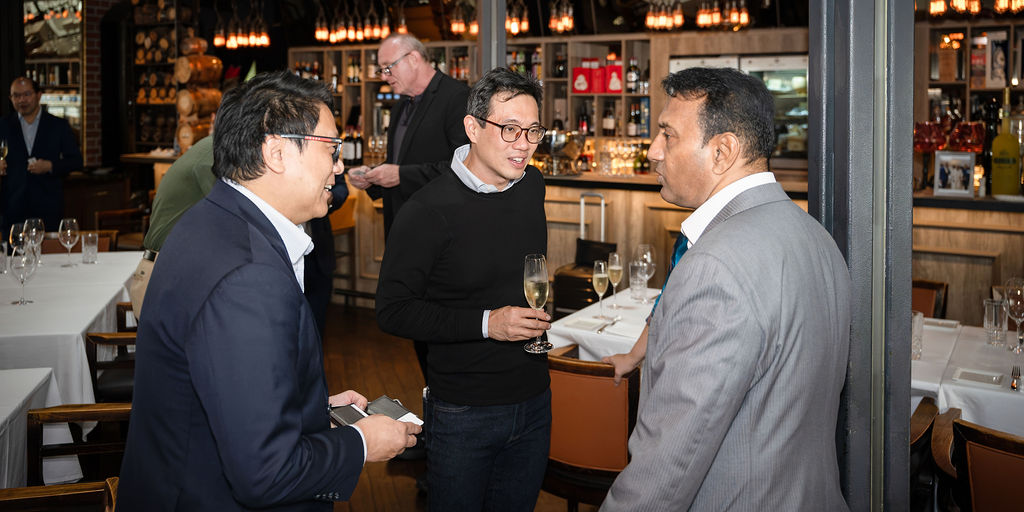
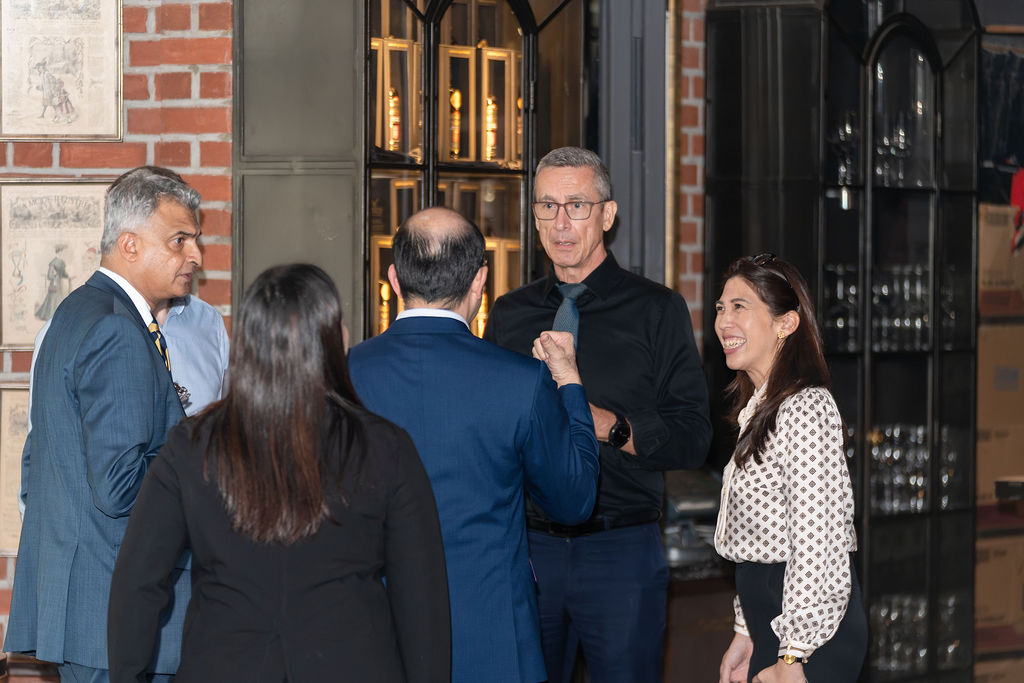
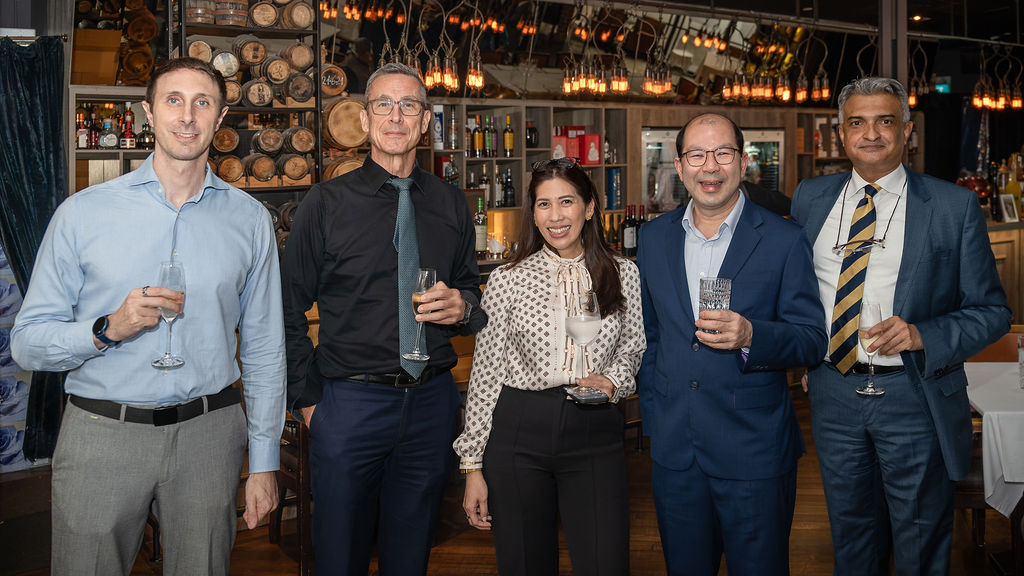
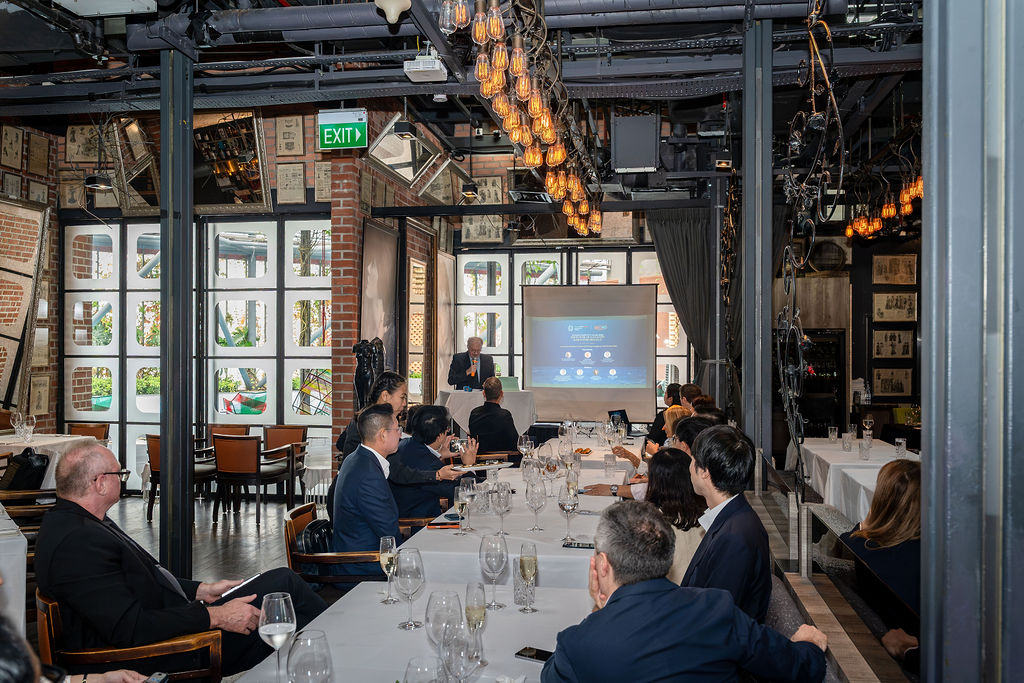
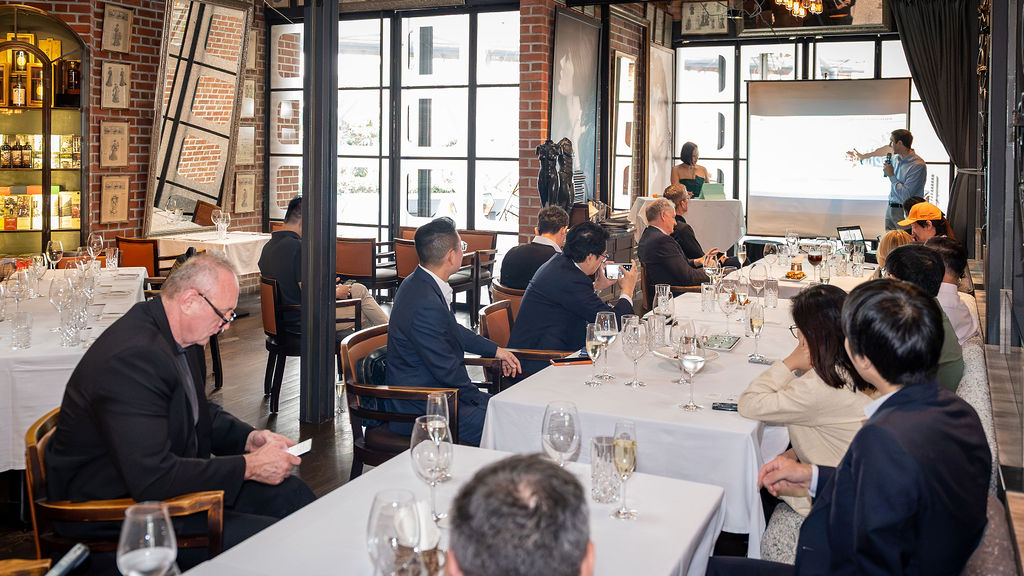
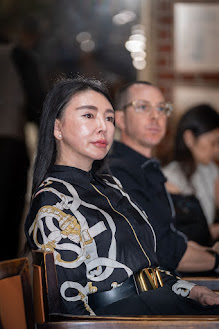
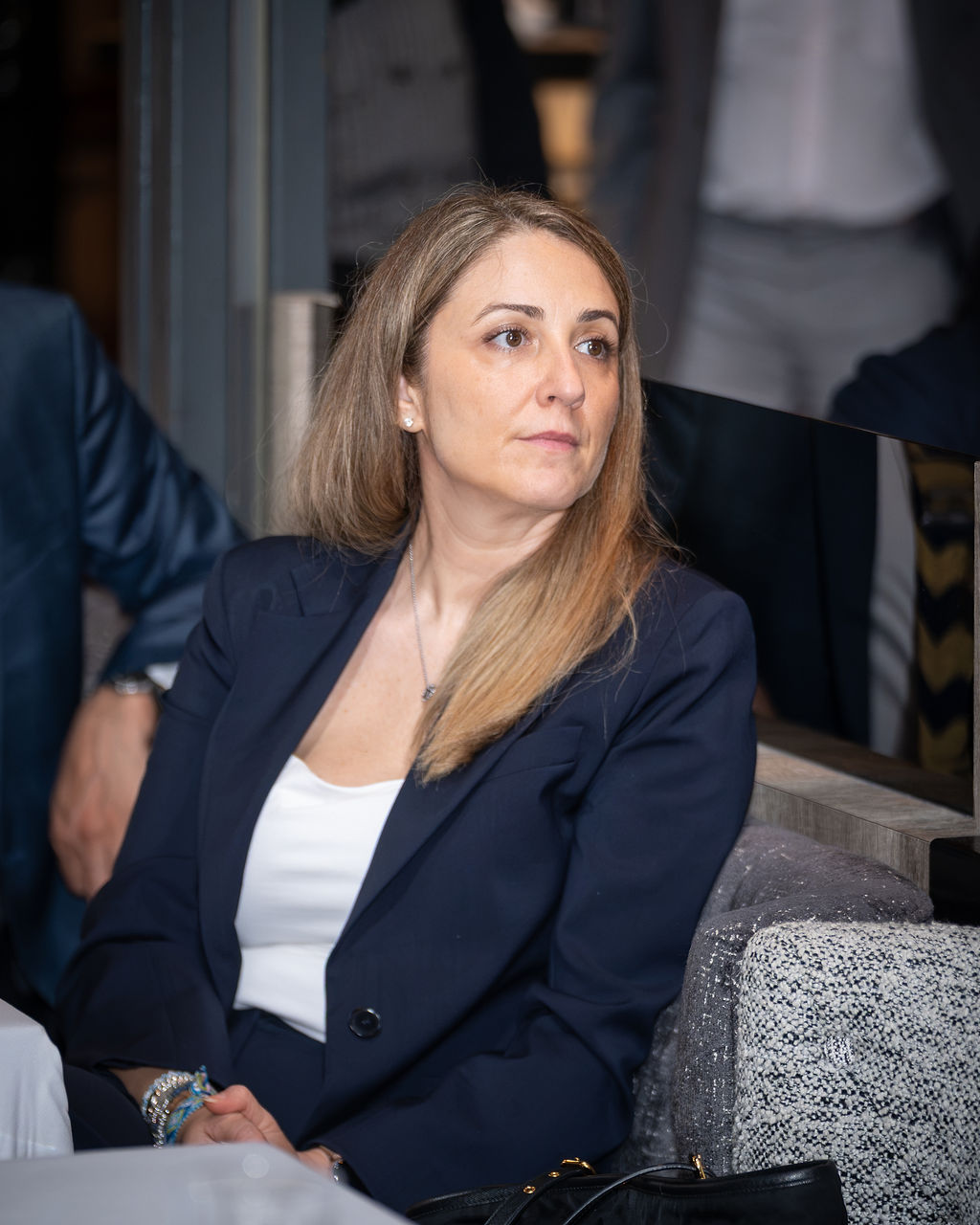
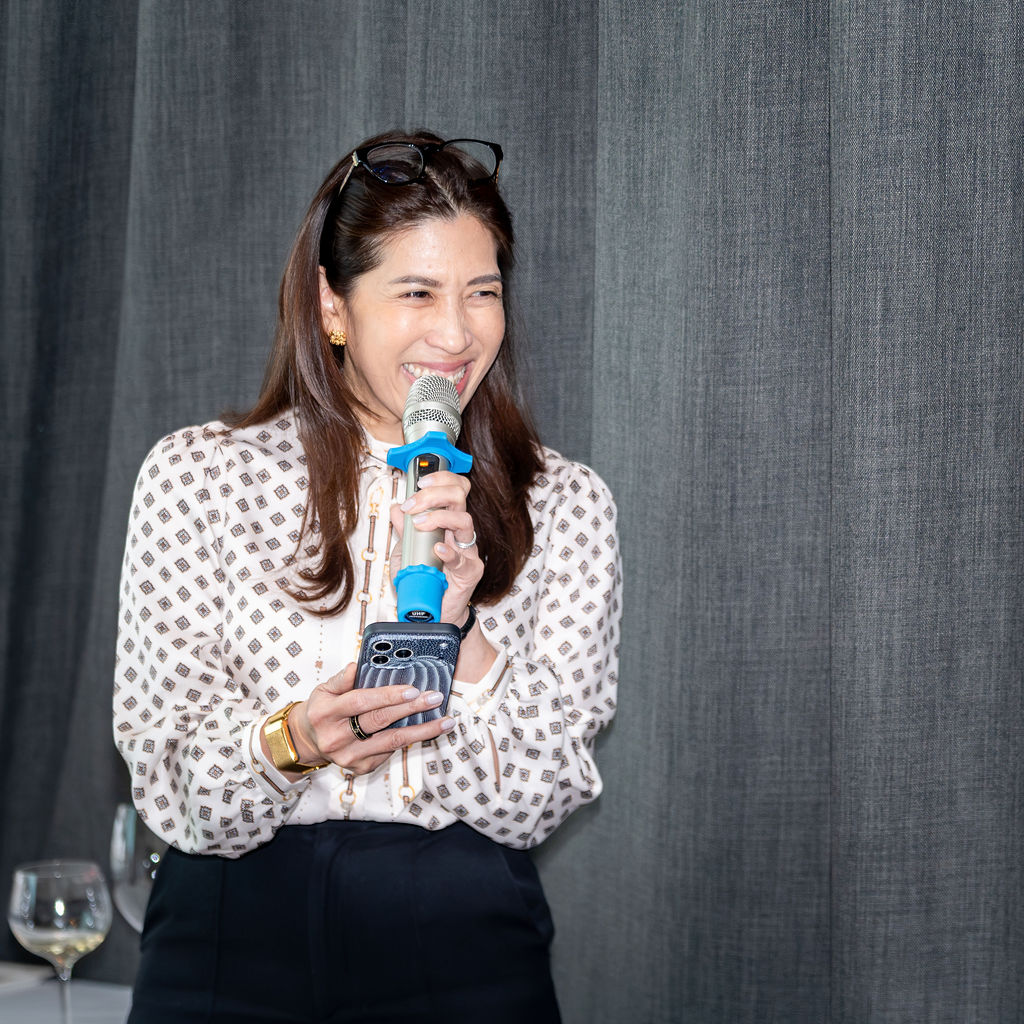
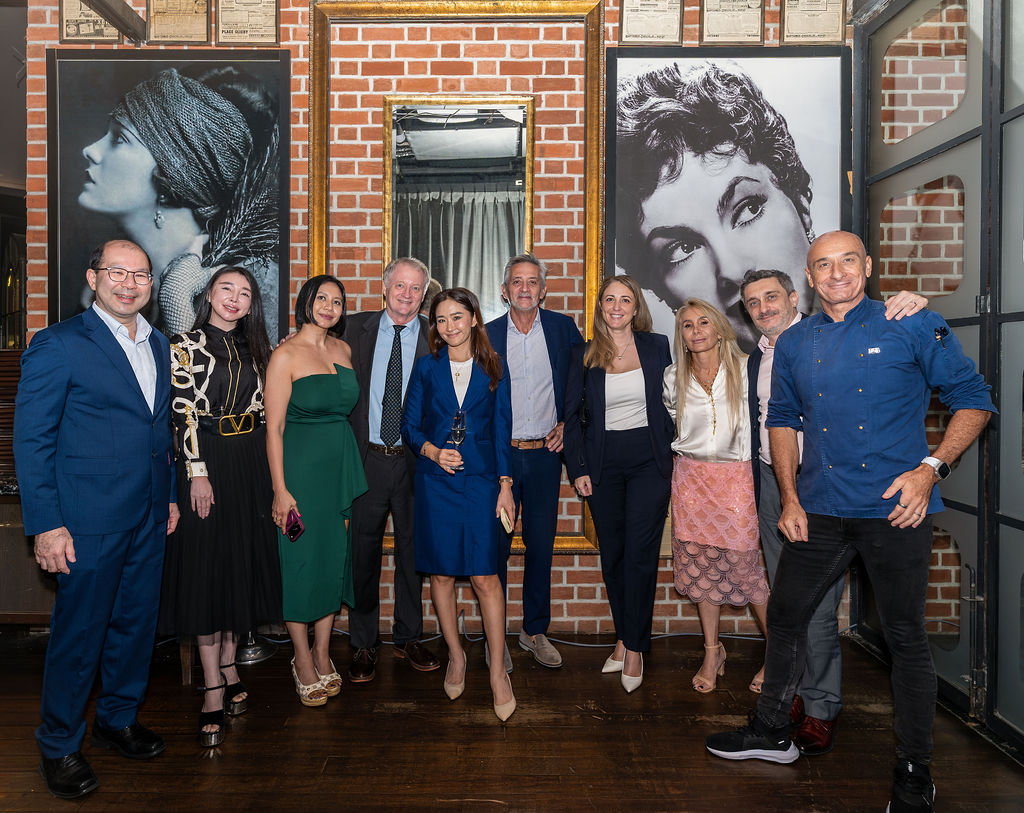
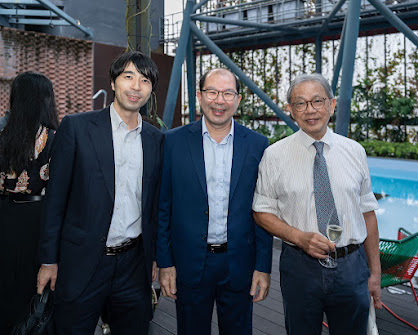
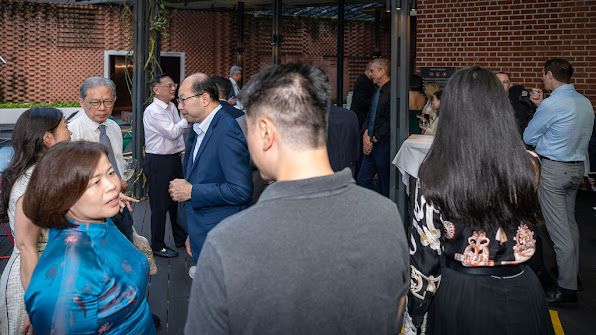
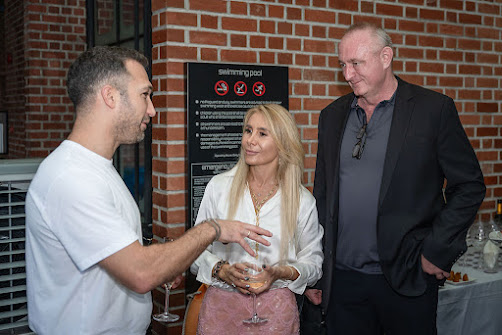
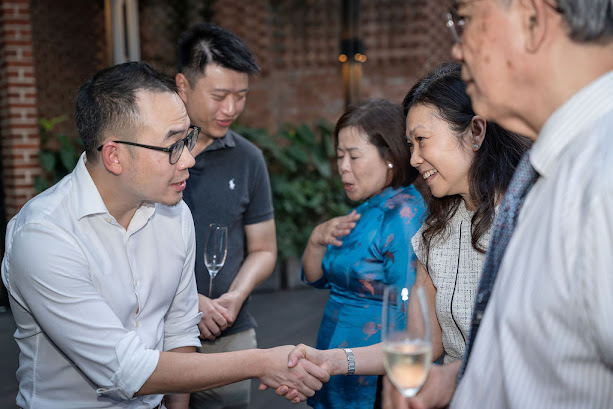
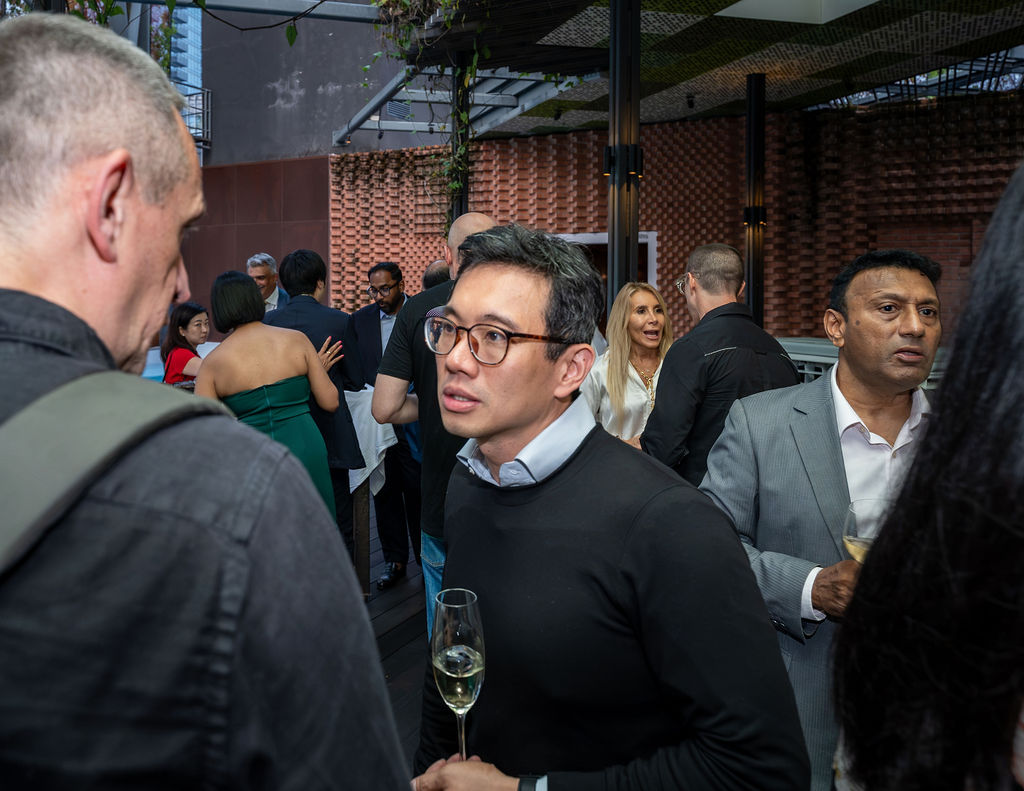
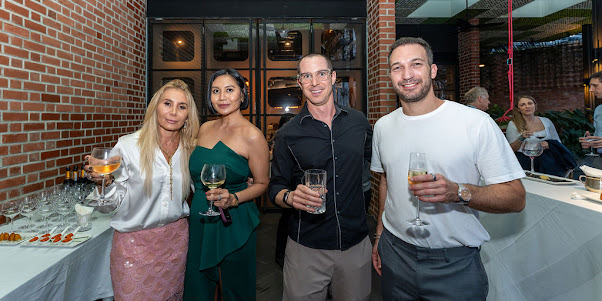
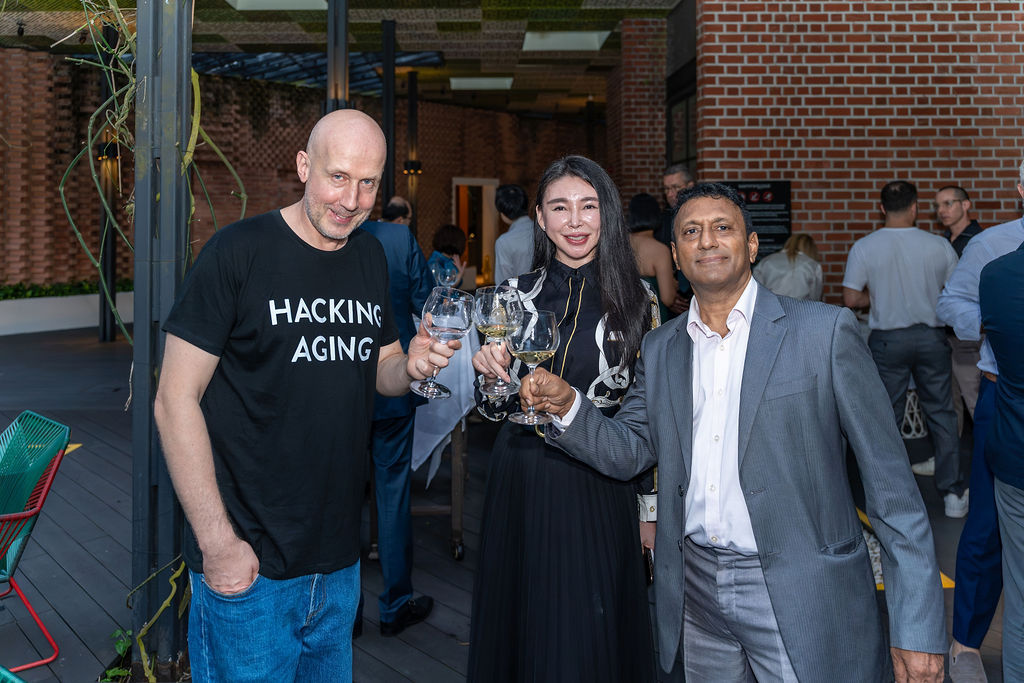
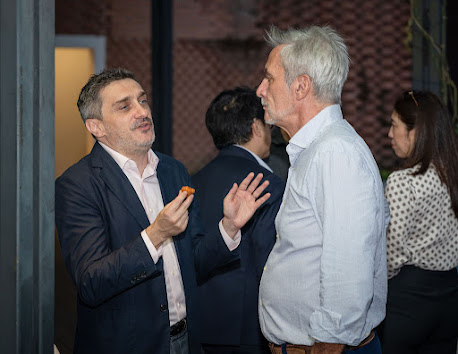
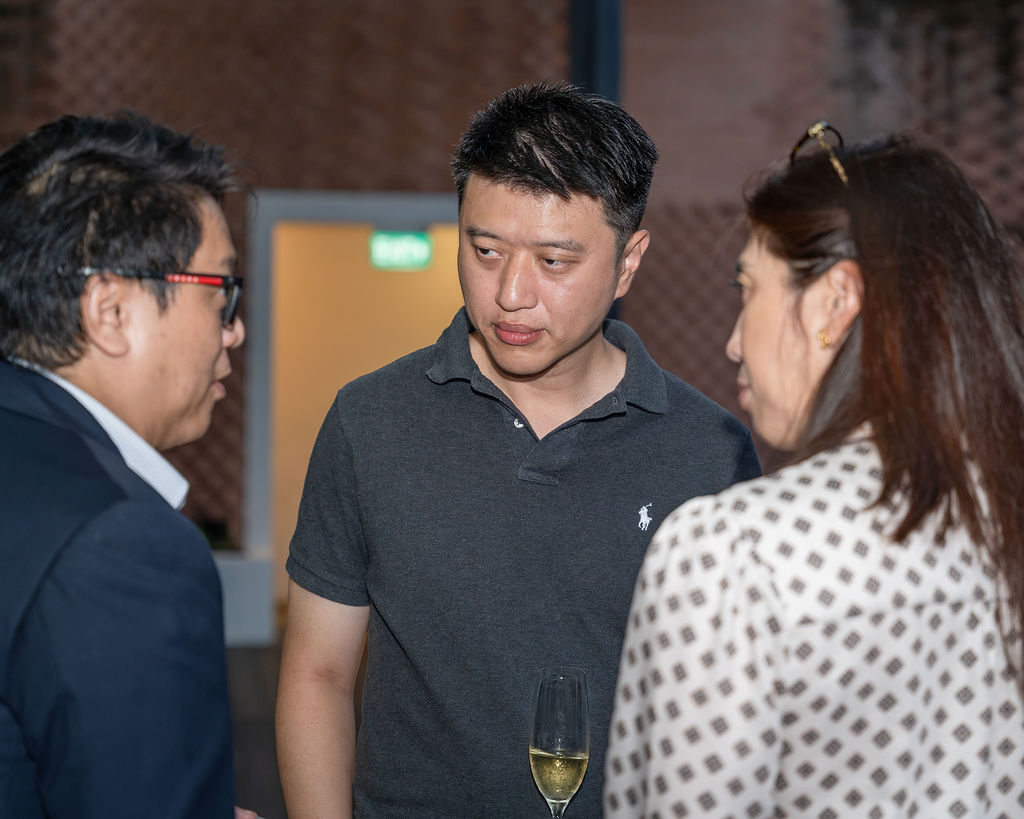
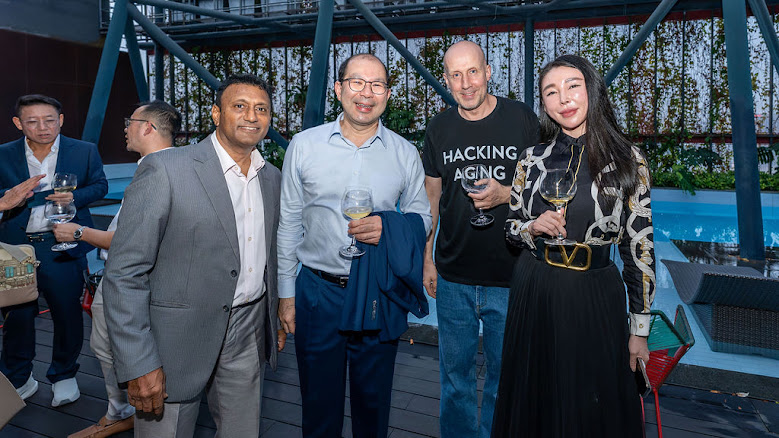
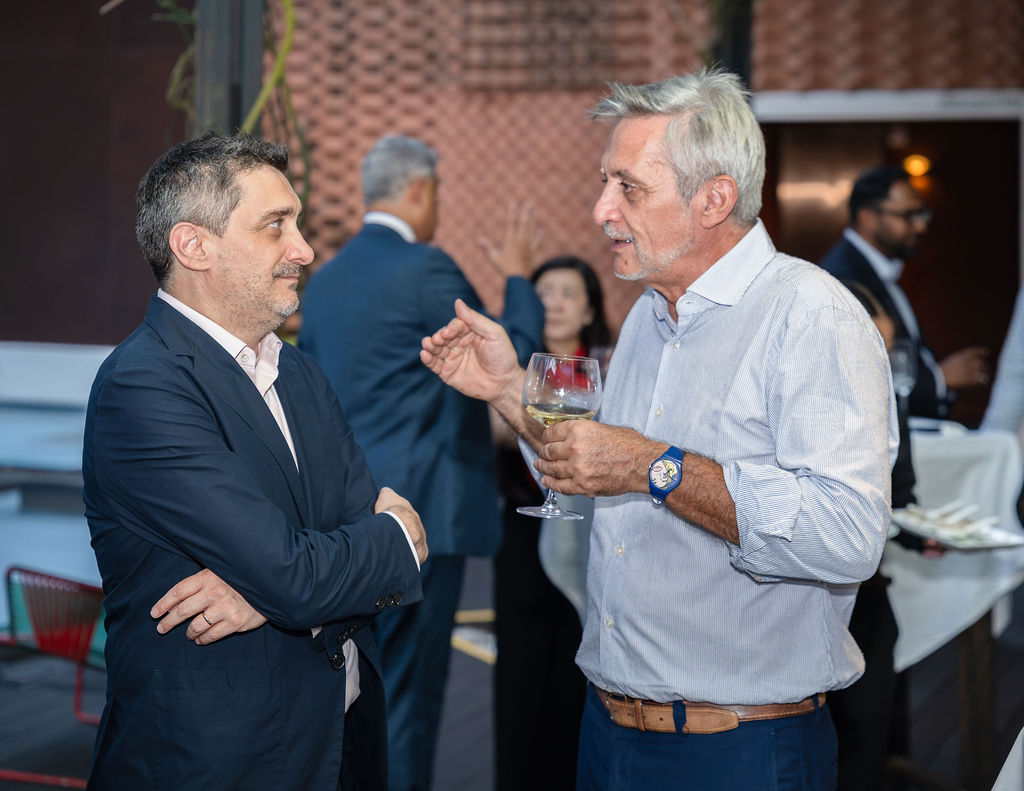
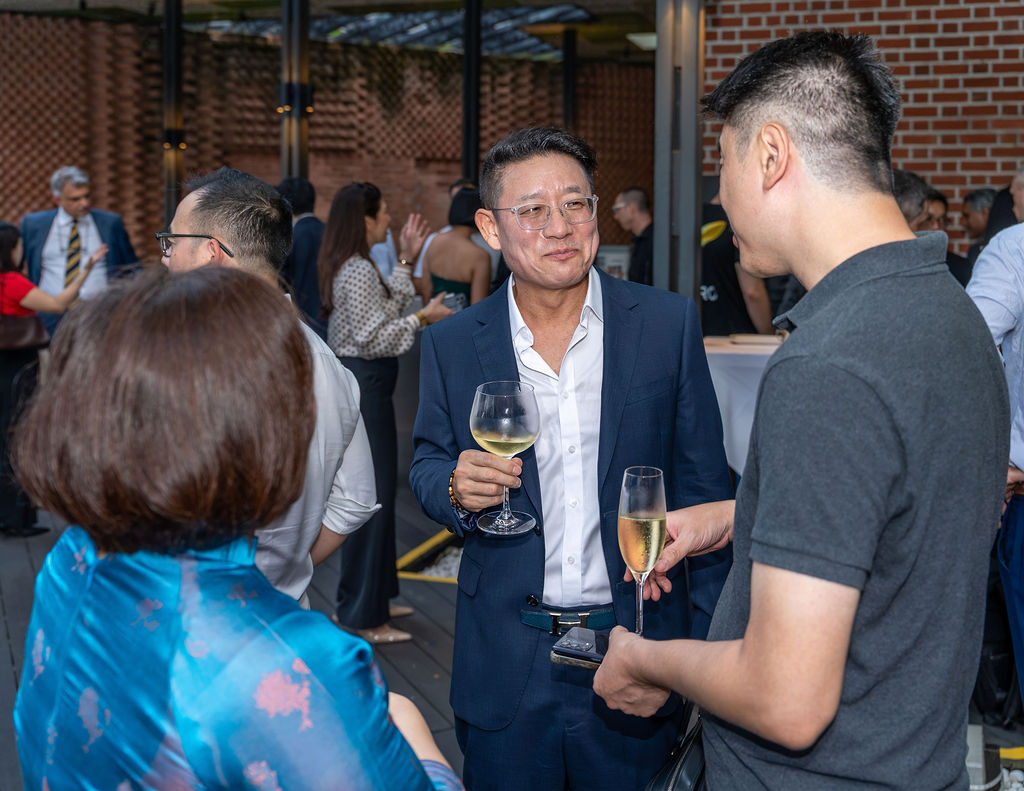
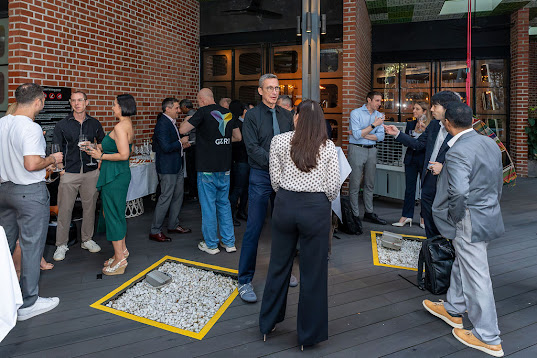
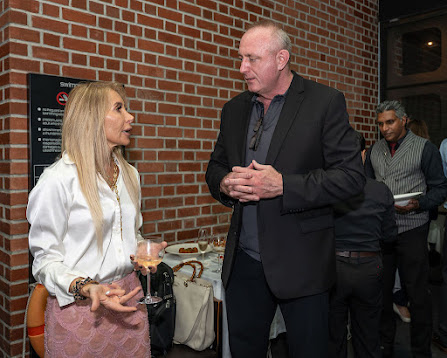
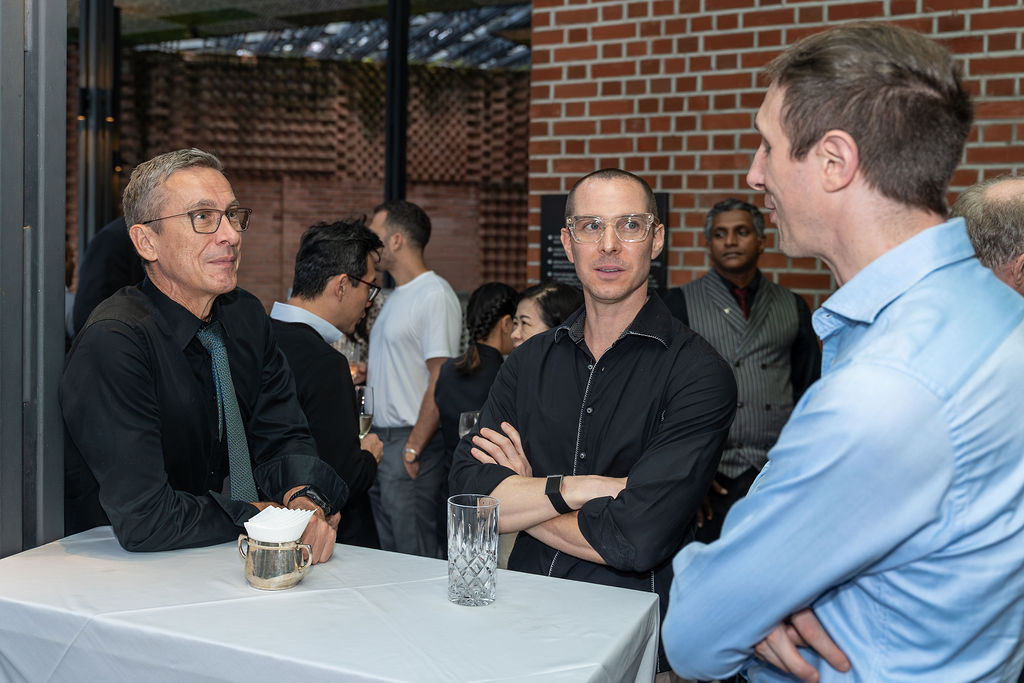
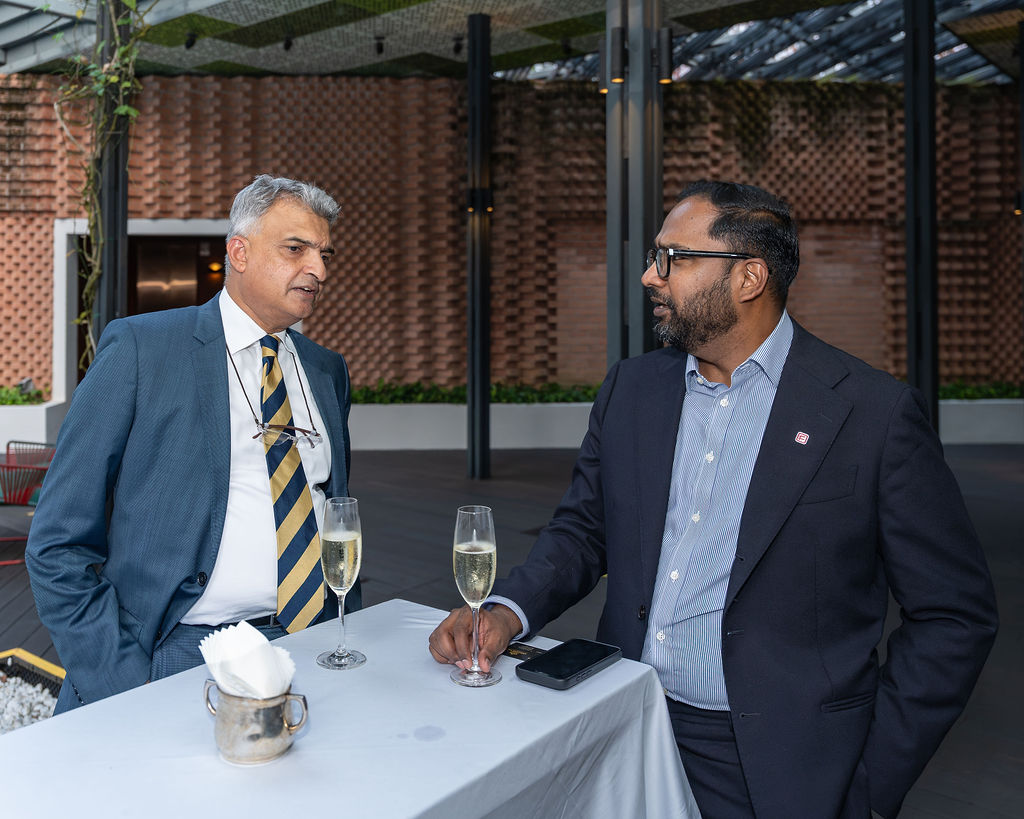
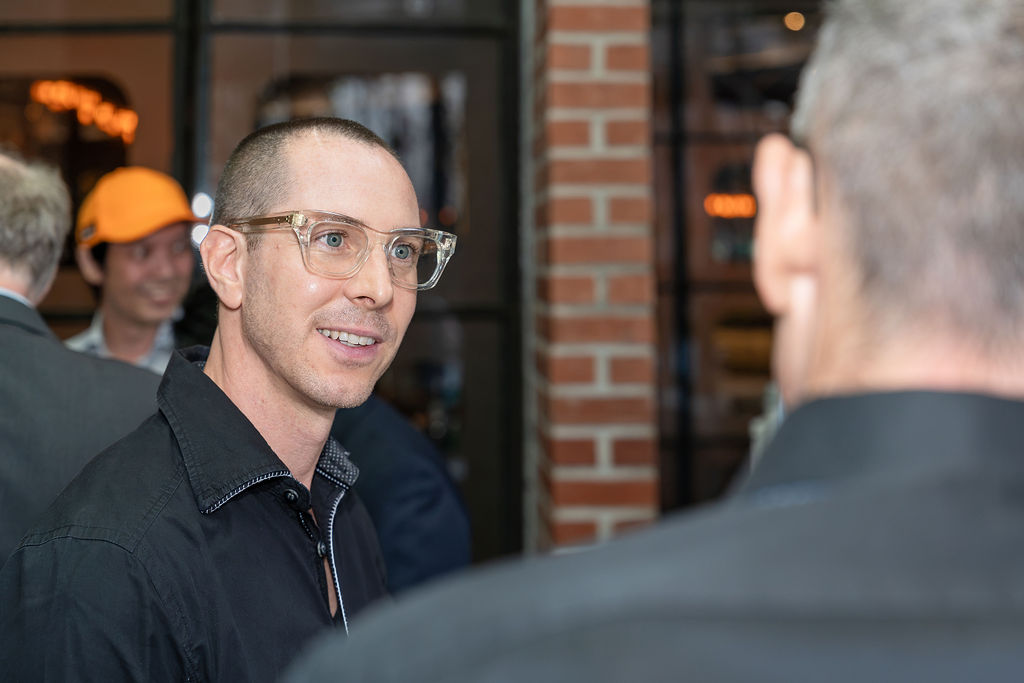
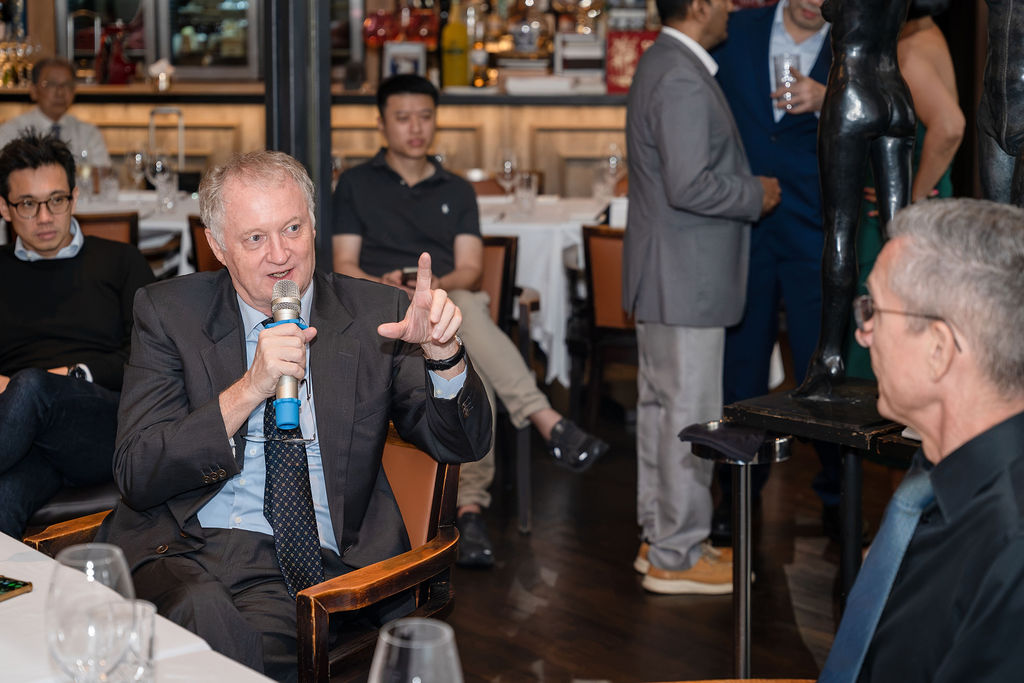
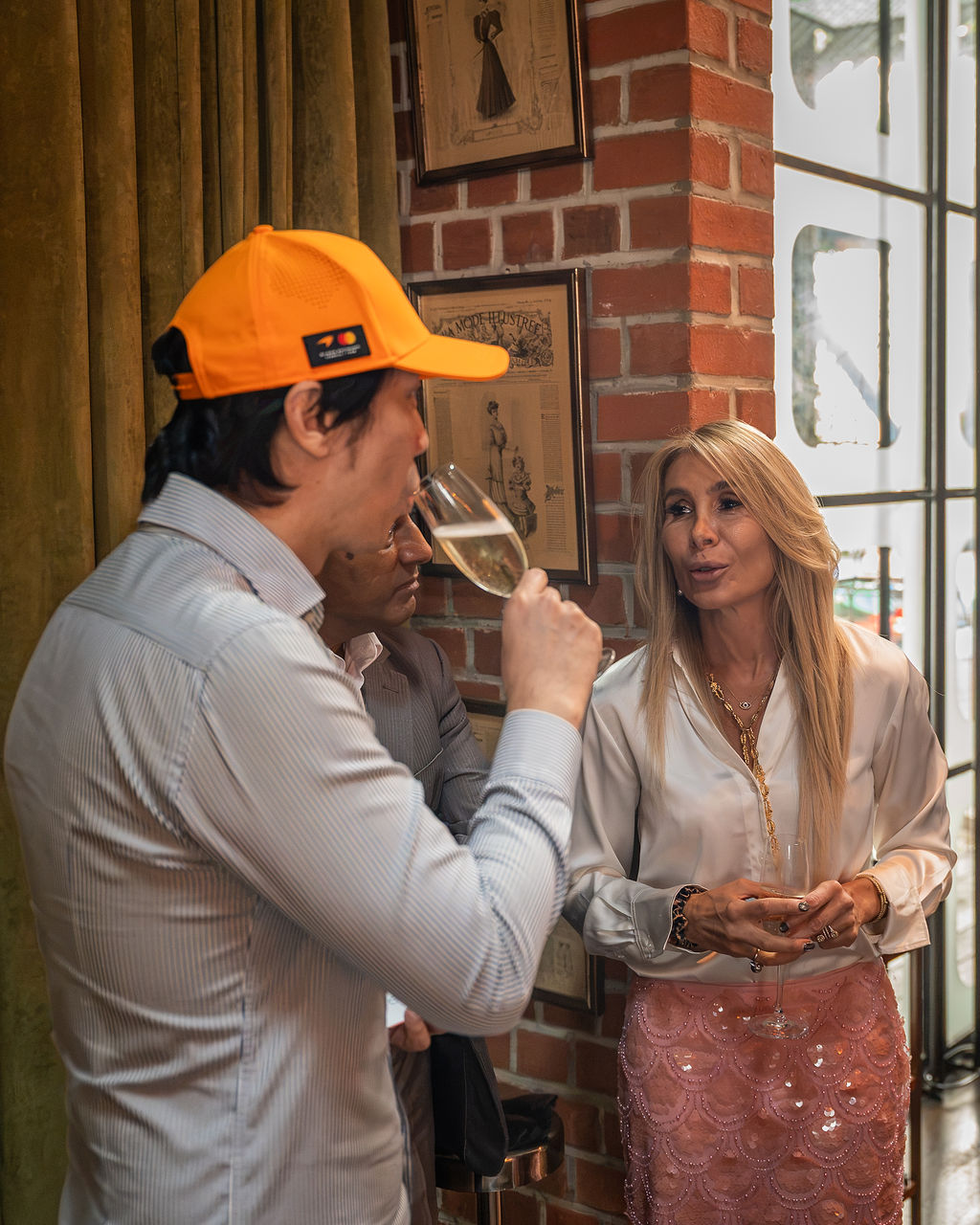
As ageing populations reshape healthcare systems and economies worldwide, a distinguished group of scientists, clinicians, researchers and healthcare innovators gathered at OSO Ristorante in Singapore to explore one critical question: how can people not only live longer, but live better? The Italian-Singapore Longevity Initiative brought together leading voices in longevity science, nutrition, primary care and biotechnology to chart a future where healthspan becomes as important as lifespan. K Dass reports.
The Longevity Imperative
The science of longevity is no longer confined to research laboratories or academic journals. Around the world, governments, healthcare providers, scientists and business leaders are increasingly focused on one of humanity’s greatest challenges and opportunities: extending the years people live in good health.
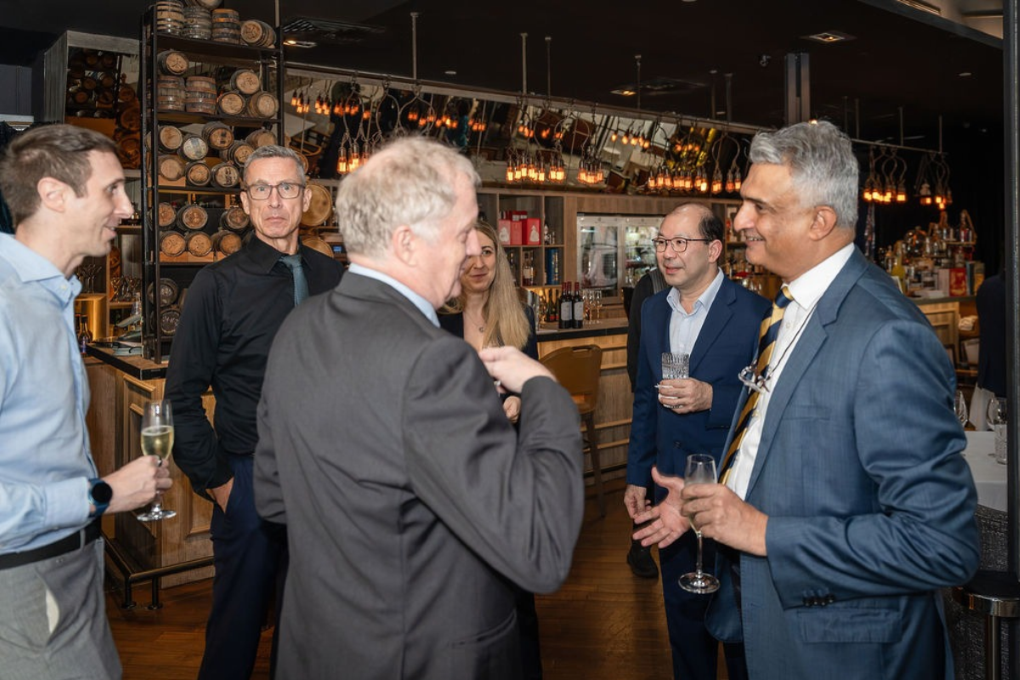
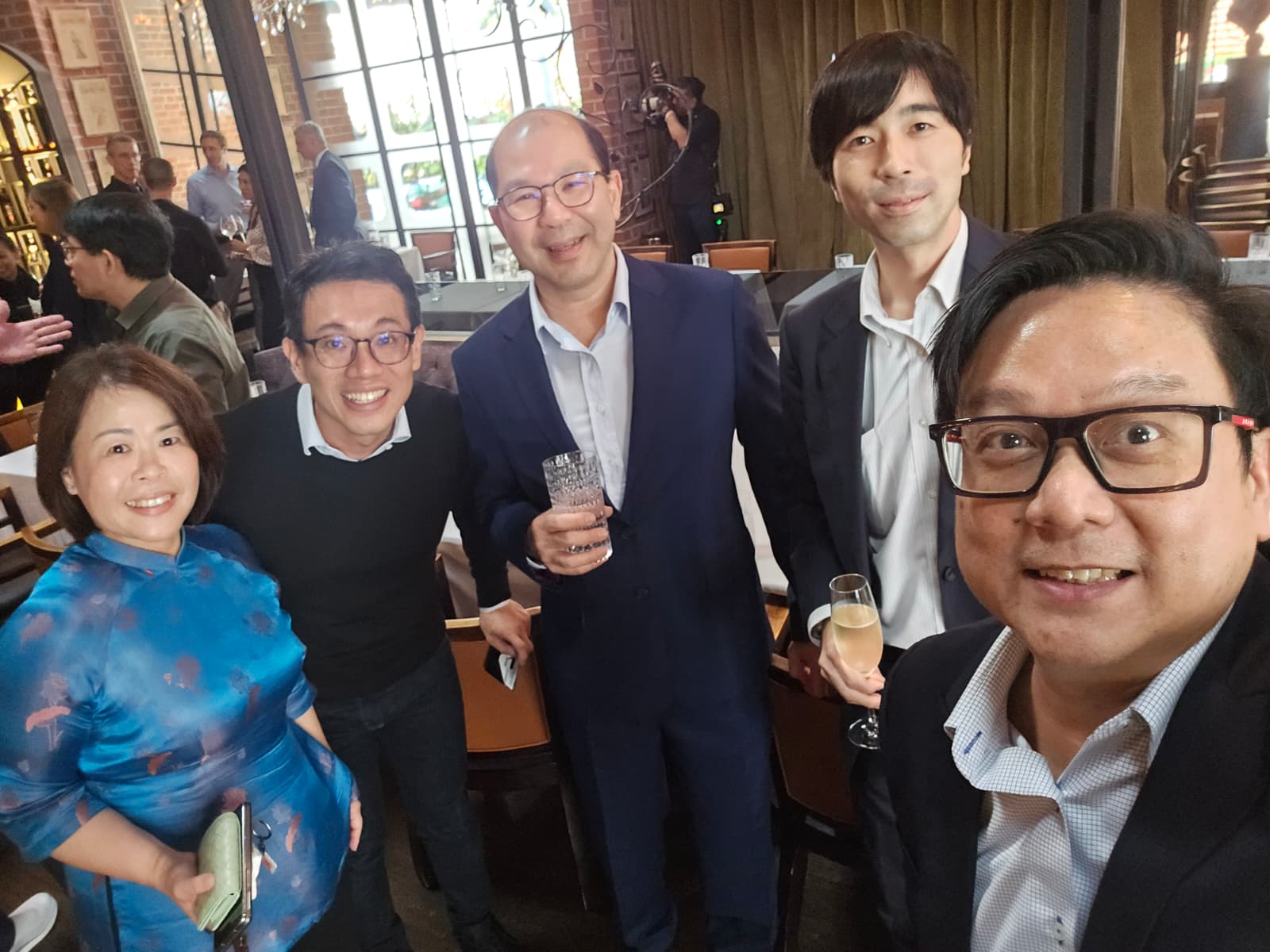
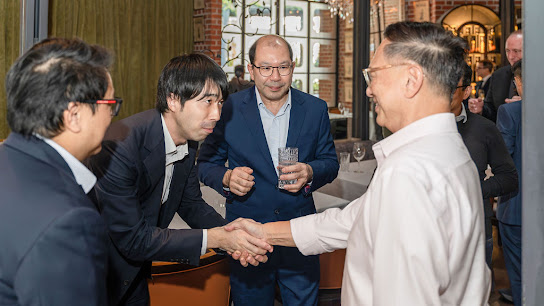
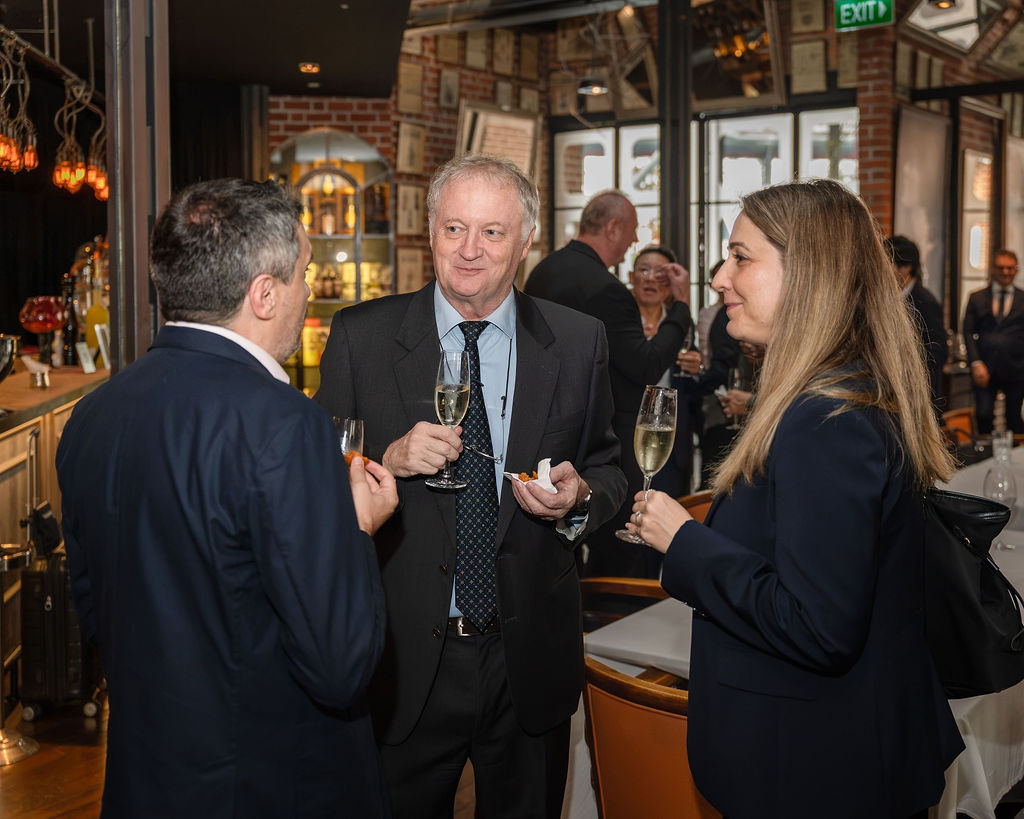
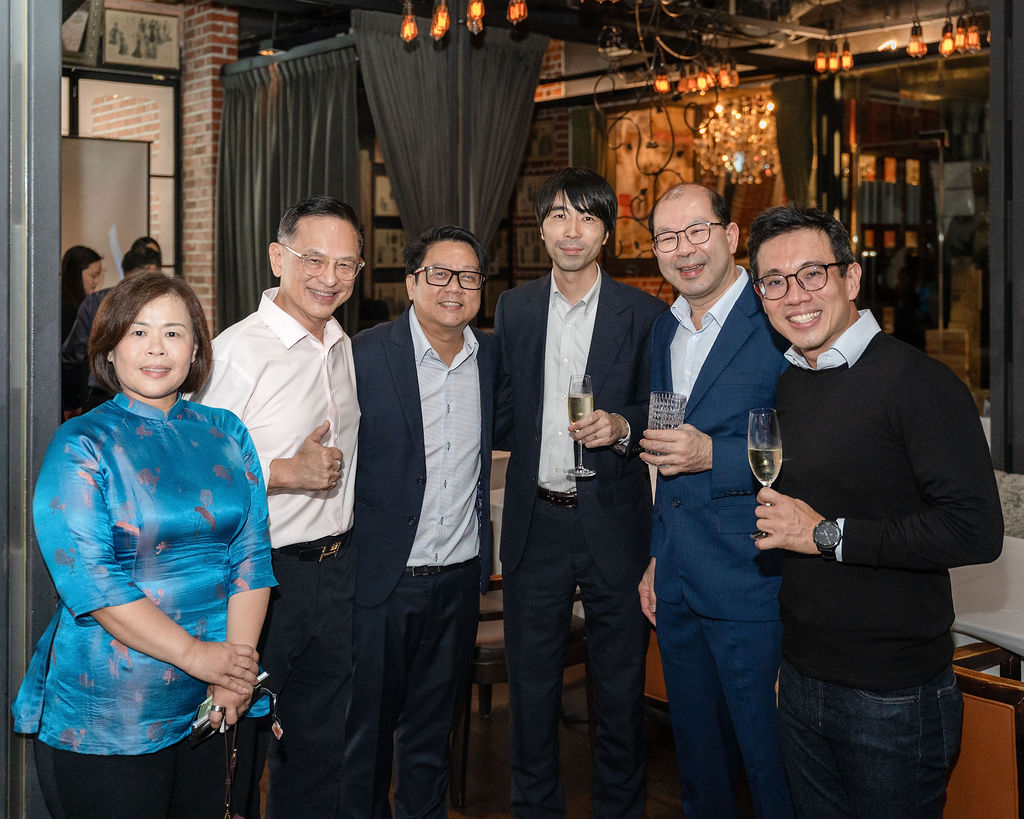
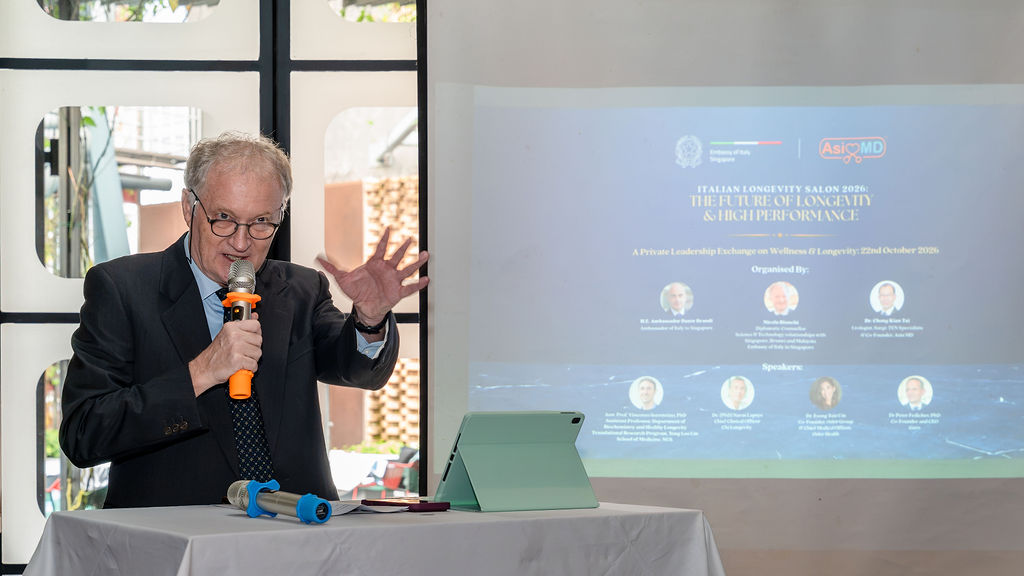
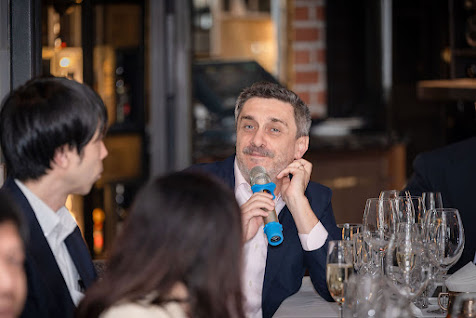
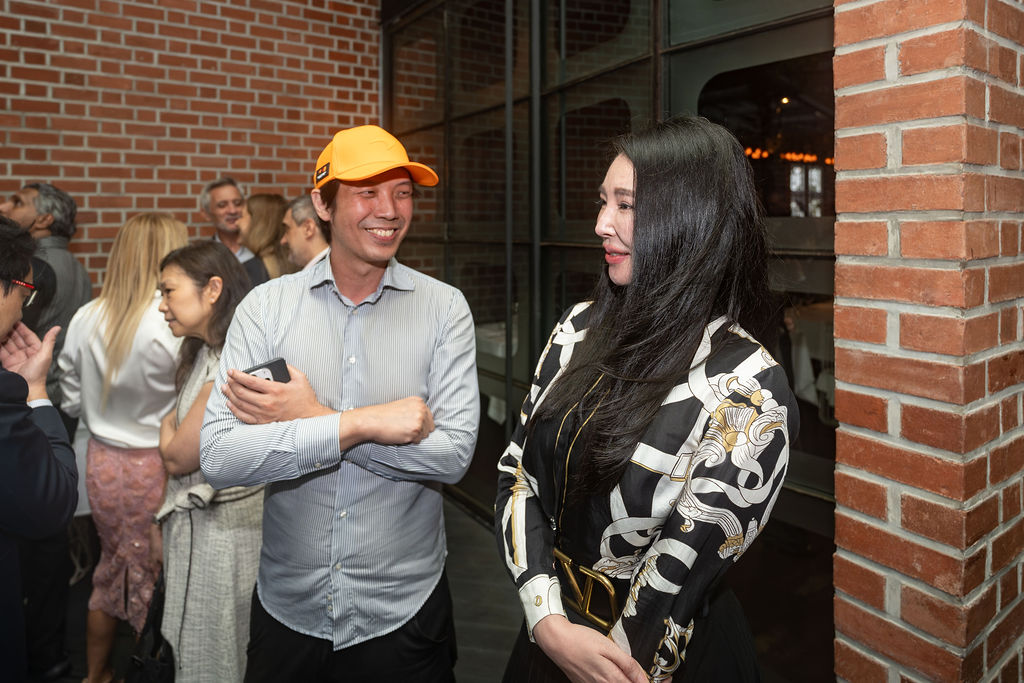
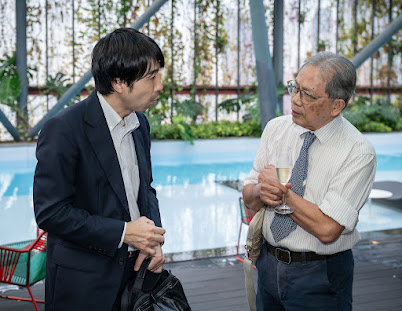
Against this backdrop, Singapore hosted an exclusive gathering of some of the brightest minds in healthy ageing, longevity science and healthcare innovation at OSO Ristorante on 22 October. Organised under the banner of the Italian-Singapore Longevity Initiative, the invitation-only CEO Roundtable continued a dialogue that began earlier at the Embassy of Italy in Singapore and has since evolved into a deeper exploration of science, lifestyle and healthy ageing.
The event, first introduced by H.E. Dante Brandi, Ambassador of Italy to Singapore, in collaboration with Asia MD, was more than a networking session. It was a strategic exchange of ideas between Italian and Singaporean experts seeking answers to one of modern society’s most pressing questions: how can longevity science deliver healthier, more productive years of life for future generations?
What emerged from the evening was a clear message. Longevity is no longer merely about adding years to life. It is increasingly about adding life to years.
Bridging Science and Society
Setting the tone for the evening, Dr Nicola Bianchi, Diplomatic Counsellor for Science and Technology at the Embassy of Italy in Singapore, highlighted the growing scientific collaboration between Italy and Singapore. His remarks reflected a broader vision in which international partnerships become catalysts for innovation, knowledge exchange and scientific progress in healthy ageing.
The conversation underscored how two nations known for excellence in research, healthcare and innovation can work together to address the implications of an ageing world. As populations live longer than ever before, the challenge is no longer simply survival but maintaining physical, cognitive and social wellbeing throughout later life.
Understanding the Biology of Ageing
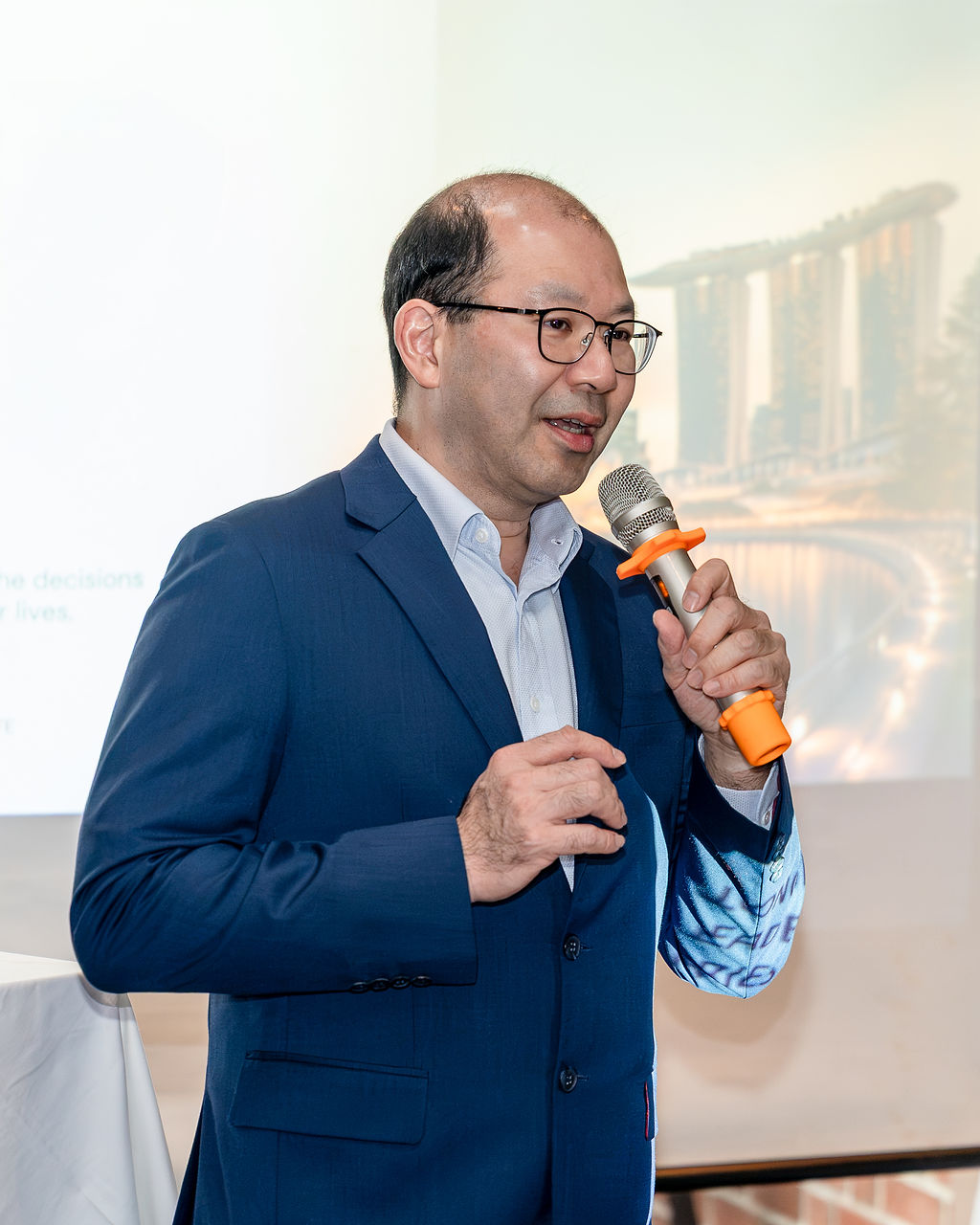
One of the evening’s most compelling scientific discussions came from Asst. Prof. Vincenzo Sorrentino of the National University of Singapore’s Healthy Longevity Translational Research Programme. His work explores the cellular mechanisms that underpin ageing, particularly the role of mitochondria, often referred to as the body’s energy producers.
Advances in mitochondrial biology are opening new pathways to understanding age-related decline in muscle function, neurological health and overall vitality. By identifying the biological drivers of ageing, researchers are moving closer to interventions that could help people remain healthier for longer.
The presentation highlighted a growing shift within longevity science from treating individual diseases to understanding the fundamental processes that contribute to ageing itself.
Nutrition Takes Centre Stage
While scientific breakthroughs often attract headlines, nutrition remains one of the most accessible and impactful tools available today.
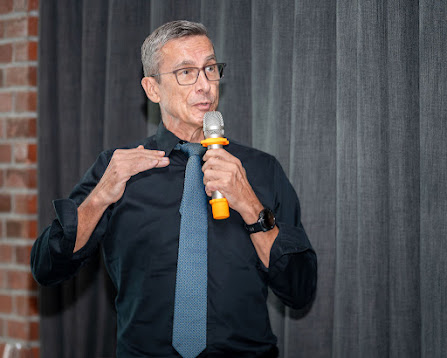
Dr Naras Lapsys, Chief Clinical Officer of Chi Longevity, focused on practical, evidence-based nutritional strategies that can influence healthy ageing. His presentation explored how advances in biomarkers, genomics and precision medicine are transforming nutrition from a one-size-fits-all approach into highly personalised interventions tailored to an individual’s unique biological profile.
For healthcare professionals and consumers alike, the message was clear: longevity medicine is becoming increasingly personalised, data-driven and proactive.
The Essential Role of Primary Care
Scientific innovations alone will not improve population health unless they are translated into everyday clinical practice.
Addressing this challenge, Dr Foong Tsin Uin, Co-Founder of Osler Group and Chief Medical Officer of Osler Health, emphasised the importance of primary care as the cornerstone of lifelong health. Her insights reinforced the role of early intervention, preventive healthcare and personalised medical support in helping individuals maintain wellbeing across every stage of life.
Primary care physicians are increasingly becoming the frontline partners in longevity, helping patients navigate a growing array of diagnostic technologies, health data and preventive strategies.
Can We Slow Ageing?
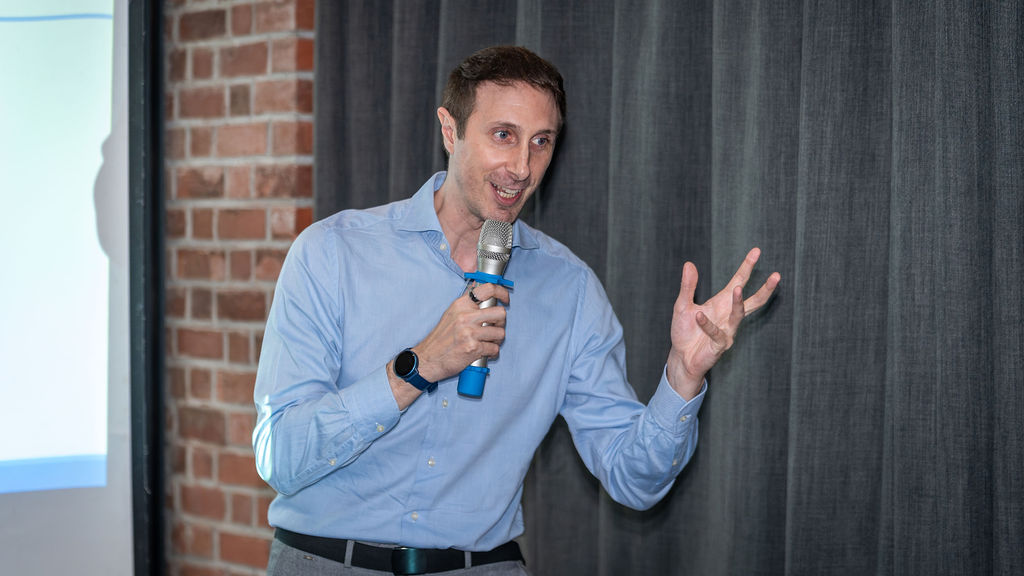
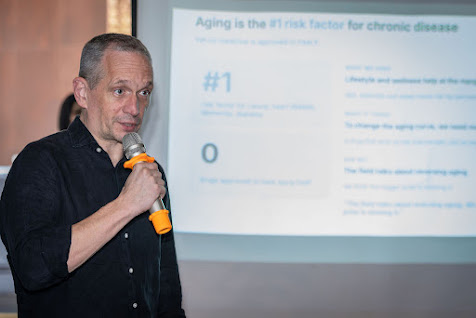
Perhaps the evening’s most provocative discussion came from Dr Peter Fedichev, Co-Founder and CEO of Gero, whose work combines biotechnology, physics and artificial intelligence to better understand ageing.
Drawing on advanced data science and systems biology, he explored how researchers are investigating the biological mechanisms that drive age-related decline. His presentation reflected a growing movement within longevity science that seeks to target the root causes of ageing rather than focusing solely on individual diseases.
Such approaches are attracting significant interest from investors, healthcare leaders and policymakers who recognise the enormous social and economic implications of extending healthspan.
A Global Conversation With Local Relevance
The significance of the Italian-Singapore Longevity Initiative extends beyond scientific discussion. It represents a broader effort to connect academia, healthcare, industry and government around a common objective: enabling healthier ageing populations.
As life expectancy continues to rise worldwide, healthcare systems must evolve from treating disease to preserving function, resilience and quality of life. The challenges are substantial, but so too are the opportunities.
For Singapore, already recognised globally for its healthcare excellence and ageing population strategies, partnerships with leading international researchers and innovators offer new opportunities to drive the next phase of healthy ageing initiatives. For Italy, a country with a strong tradition of medical research and lifestyle-based health practices, collaboration provides an avenue to expand scientific influence and build meaningful international partnerships.
The Road Ahead
The discussions at OSO Ristorante demonstrated that the future of longevity will not be defined by a single breakthrough. Rather, it will emerge through the convergence of science, nutrition, preventive medicine, technology and international collaboration.
As ageing moves to the centre of healthcare, economic and social policy discussions worldwide, initiatives such as the Italian-Singapore Longevity Initiative are helping to shape a future where longer lives are also healthier lives. The conversation that began at the Embassy of Italy and continued in Singapore’s intimate roundtable setting is rapidly becoming part of a much larger global dialogue, one that may ultimately redefine what it means to age well in the 21st Century.