This article has been fact-checked by Dr Tang Zhi Hao, Senior Consultant Orthopaedic Surgeon, Singapore.
About the Doctor
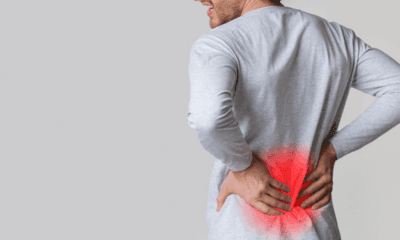
Persistent knee, hip, or lower back pain may not always originate from these joints. In some individuals, the underlying cause may be flatfoot (pes planus), a condition in which the arches of the feet collapse, altering the alignment of the lower limbs and increasing stress on the joints.
What is flatfoot?
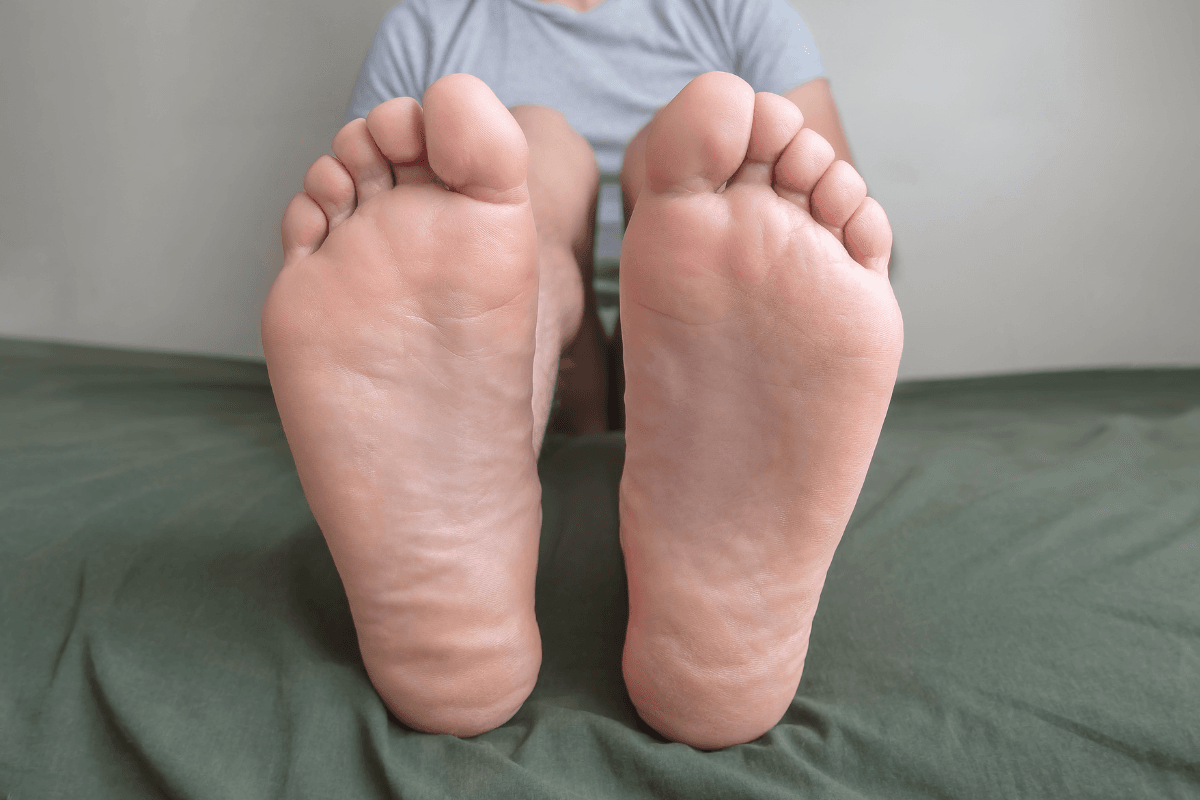
Flatfoot is a structural variation of the foot, where the inner arch is absent or flattened. The entire sole, therefore, makes near-complete or complete contact with the ground. Although it can occur naturally, it may cause foot pain or walking difficulties in some cases.
What causes flatfoot?
Flatfoot can be congenital (present at birth) or acquired (developing later in life).
Congenital causes:
- Misalignment of the talus bone
- Fusion of foot bones
- Genetic disorders
- Accessory bone in the arch
- Natural low arches
Acquired causes:
- Aging processes
- Foot or ankle injuries
- Chronic illnesses (obesity, diabetes or rheumatoid arthritis)
- Weakening or tearing of the posterior tibial tendon
Do I have flatfoot?
You can perform the following self-assessment tests to check for flatfoot:
- Wet the sole of your foot. Stand on a sheet of paper. Observe if your footprint lacks an arch.
- Ask someone to observe your feet from behind. If multiple toes are visible from this view, it may indicate flatfoot.
- Check your well-worn footwear. See if inner edges are worn-down more than outer edges.
Can flatfoot cause knee, hip, and back pain?
Flatfoot causes the foot arch to collapse and roll inward. This prevents the foot from forming a stable base needed for forward propulsion of the body. It impairs efficient distribution of pressure across the joints and muscles. The misalignment, therefore triggers pain that radiates upward into the lower limb joints, knees, hips, and lower back – especially after prolonged durations of walking or running.
Are there other symptoms beyond pain?
Yes, there are several other symptoms that may impact your daily activities.
- Frequent ankle twists/instability
- Development of bunions or hammertoes
- Inability to stand/walk for long periods
- Feet rolling inward while standing or walking
- Pain in the ankles, heels, or arches
How to improve your mobility?
Barefoot walking and deep squatting may foster intrinsic foot strength and reduce functional complications and joint stress related to flatfoot. Calf stretches, towel pulls, ball rolls, towel scrunches, and heel raises also help improve mobility.
How is flatfoot treated?
Many people have flatfoot throughout their lives without pain or difficulty walking. If flatfoot causes pain, affects daily activities or leads to progressive deformity, these options may be recommended:
- Usage of arch supports or supportive footwear
- Swapping high impact activities with low-impact ones
- Weight management
- Physiotherapy
- Medications for pain management
If symptoms persist despite conservative treatment, surgery may be suggested.
When should I see the doctor?
Visit a doctor if you have:
- Difficulty walking or performing daily activities
- Recent foot or ankle injury
- Newer acquired flatfoot
- Flatfoot in only one foot
- Persistent pain
- Swelling
- Numbness
Key takeaways
- Flatfoot is a natural structural variation of the foot.
- Flatfoot that causes persistent pain or limits daily activities should be assessed by a healthcare professional.
- Physiotherapy, weight management, or foot exercises may improve function and reduce symptoms.
- Arch supports or supportive footwear can provide support while walking or running.
Conclusion
This condition may feel overwhelming but it can certainly be managed with the right lifestyle adjustments and management strategies.
Sources to read
- Pita-Fernandez S, Gonzalez-Martin C, Alonso-Tajes F, et al. Flat Foot in a Random Population and its Impact on Quality of Life and Functionality. J Clin Diagn Res. 2017;11(4):LC22-LC27. doi:10.7860/JCDR/2017/24362.9697
- D’AoÛt K, Pataky TC, De Clercq D, Aerts P. The effects of habitual footwear use: foot shape and function in native barefoot walkers†. Footwear Science. 2009;1(2):81-94. doi:10.1080/19424280903386411
- Rodríguez-Longobardo C, Gómez-Ruano MÁ, Canosa-Carro L. Effects of Barefoot and Minimalist Footwear Strength-Oriented Training on Foot Structure and Function in Athletic Populations: A Systematic Review. J Clin Med. 2025;14(21):7629. doi:10.3390/jcm14217629
- Kim JY, Lim OK, Park KD, Na H, Lee JK. Squatting Posture Grading System for Screening of Limited Ankle Dorsiflexion. Ann Rehabil Med. 2025;49(2):61-71. doi:10.5535/arm.230008
- Stolwijk NM, Duysens J, Louwerens JWK, Ven YH van de, Keijsers NL. Flat Feet, Happy Feet? Comparison of the Dynamic Plantar Pressure Distribution and Static Medial Foot Geometry between Malawian and Dutch Adults. PLOS ONE. 2013;8(2):e57209. doi:10.1371/journal.pone.0057209