











News
Silkworms and the Future of Preventive Healthcare

How Morus CEO Ryo Sato is pioneering nutrition science with insect-derived innovation. He tells K Dass that Silkworms are low in fat, rich in protein, and packed with DNJ, a nutrient that helps reduce post-meal blood sugar levels in this exclusive interview.
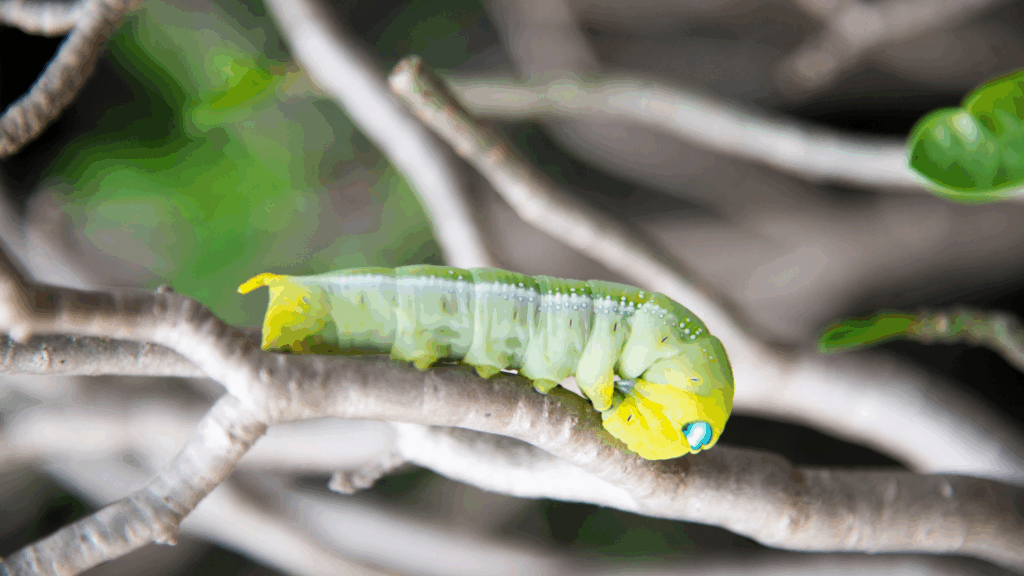
A New Frontier in Nutrition Science
In the crowded world of dietary supplements, where marketing often outpaces evidence, Morus stands apart. Founded by Ryo Sato, the Japan-based biotech company is harnessing the untapped potential of silkworm larvae to create clinically validated preventive healthcare products. From matcha-style teas to protein powders, Morus is redefining how nutrition science can address global health challenges such as diabetes and metabolic disorders.
At the heart of Morus’ innovation is the silkworm itself, not the silk, but the larvae. Unlike traditional supplements that rely on plant extracts or synthetic compounds, Morus’ products are derived from silkworm larvae before they spin silk. This stage is nutritionally rich, containing silk proteins such as sericin and fibroin, which support gut health, alongside amino acids and bioactive compounds. More importantly, silkworms concentrate 1-Deoxynojirimycin (DNJ) and polyphenols from their mulberry leaf diet, nutrients clinically shown to regulate post-meal blood sugar levels.
Evidence Over Marketing
“Many supplements succeed because of marketing, not science,” says Sato. “We wanted to change that narrative. Every claim we make is backed by clinical testing.”
Indeed, DNJ has been studied extensively in Japan and internationally for its ability to inhibit carbohydrate-digesting enzymes, thereby moderating glucose absorption. Combined with polyphenols, the silkworm-derived compounds offer a dual mechanism for blood sugar regulation, an area of growing importance as diabetes rates surge globally.
Silkworm protein is also low in fat, high in digestible protein, and environmentally sustainable, offering a lower ecological footprint compared to traditional animal proteins. Approved by the Singapore Food Agency in 2023, Morus’ products are positioned at the intersection of clinical credibility and consumer demand for sustainable nutrition.
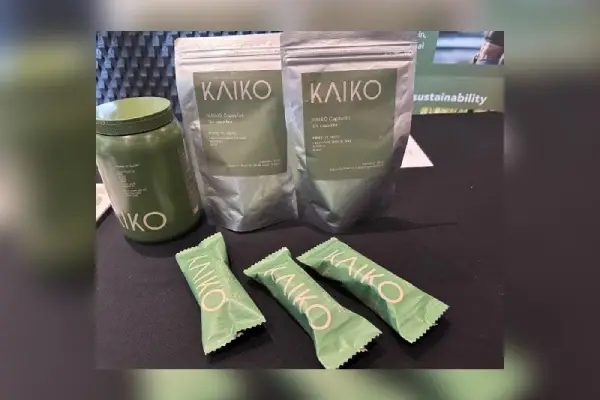
Cultural Roots, Global Vision
The silkworm has deep historical roots in Japan, where silk production was once a cornerstone of economic growth. Yet, while silk itself became a prized export, silkworm larvae were overlooked as food. “Japan has never embraced silkworm-based nutrition,” Sato explains. “But in Singapore and Southeast Asia, where Traditional Chinese Medicine (TCM) culture is strong, consumers are more open to insect-derived products provided the science is sound.”
Marketing trials in Singapore confirmed this insight. Consumers valued the “Made in Japan” label and the clinical data more than the origin of the material. Cafés have already approached Morus to incorporate silkworm powder into menus, citing its matcha-like flavour and nutritional profile.
Scaling Across Asia and Beyond
From its base in Japan, Morus is expanding across Asia, beginning with Singapore, Thailand, Taiwan, and Malaysia, before moving into Europe. “Our vision is to solve global health issues through nutrition science,” says Sato. “Silkworms are just the beginning. Their potential is enormous, and we are exploring new applications beyond supplements.”
The company’s strategy reflects a broader trend: the rise of functional foods backed by clinical evidence. As consumers demand proof of efficacy, Morus’ silkworm-derived products may set a new standard for preventive healthcare.
The Matcha of Tomorrow
Silkworm powder, with its mild, matcha-like taste, is already winning over consumers. Beyond supplements, Morus envisions silkworm protein integrated into everyday foods from café beverages to fortified snacks. With diabetes prevention as its flagship application, the company is positioning silkworms not as novelty, but as necessity.
“Insects are the protein of the future,” Sato concludes. “But for us, it’s not about novelty, it’s about evidence, sustainability, and solving real health problems.”
| Key Takeaways for Healthcare Professionals |
| Silkworm larvae contain sericin, fibroin, amino acids, DNJ, and polyphenols with proven metabolic benefits. |
| Clinical evidence supports DNJ’s role in moderating post-meal blood sugar levels. |
| Sustainability advantage: Silkworm protein has a lower environmental impact than traditional animal proteins. |
| Market acceptance: Singapore and Southeast Asia show strong consumer interest, driven by TCM culture and demand for evidence-based products. |
| Future vision: Expansion across Asia and Europe, with applications beyond supplements into functional foods. |