This article has been fact-checked by Dr Timothy Lim Yong Kuei, gynecologist at Timothy Lim Clinic for Women & Cancer Surgery, Mount Alvernia Hospital, Singapore.
About the Doctor
What is endometriosis?
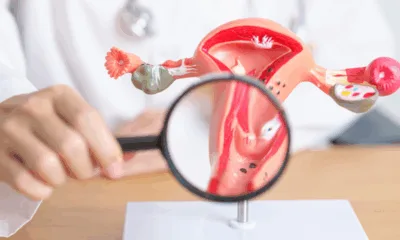
Endometriosis occurs when the tissue that lines the uterus, called the endometrium, is found outside the uterus. The most common areas where endometrial tissue can be found outside the uterus are the peritoneum, the ovaries, the fallopian tubes, the space behind the uterus known as the cul-de-sac, and the outer surface of the uterus, bladder, ureters, bowels, and rectum. About 10% of premenopausal women have endometriosis. The exact cause of endometriosis is not known.
There are different types of endometrial lesions. Superficial endometriosis mainly occurs on the pelvic peritoneum. Cystic ovarian endometriosis, known as an endometrioma, is found in the ovaries. Deep endometriosis can be found on the bladder, bowel and recto-vaginal septum. Rarely, endometriosis can be found outside the pelvis, such as the diaphragm and thoracic cavity.
Endometrial tissue responds to estrogen during the menstrual cycle and may grow and bleed in places outside the uterus. This can lead to swelling, inflammation and scarring known as adhesions; adhesions can cause organs to stick together. This process can cause pain before and during menstruation. About 2-5% of postmenopausal women continue to have symptoms.
What are the symptoms?
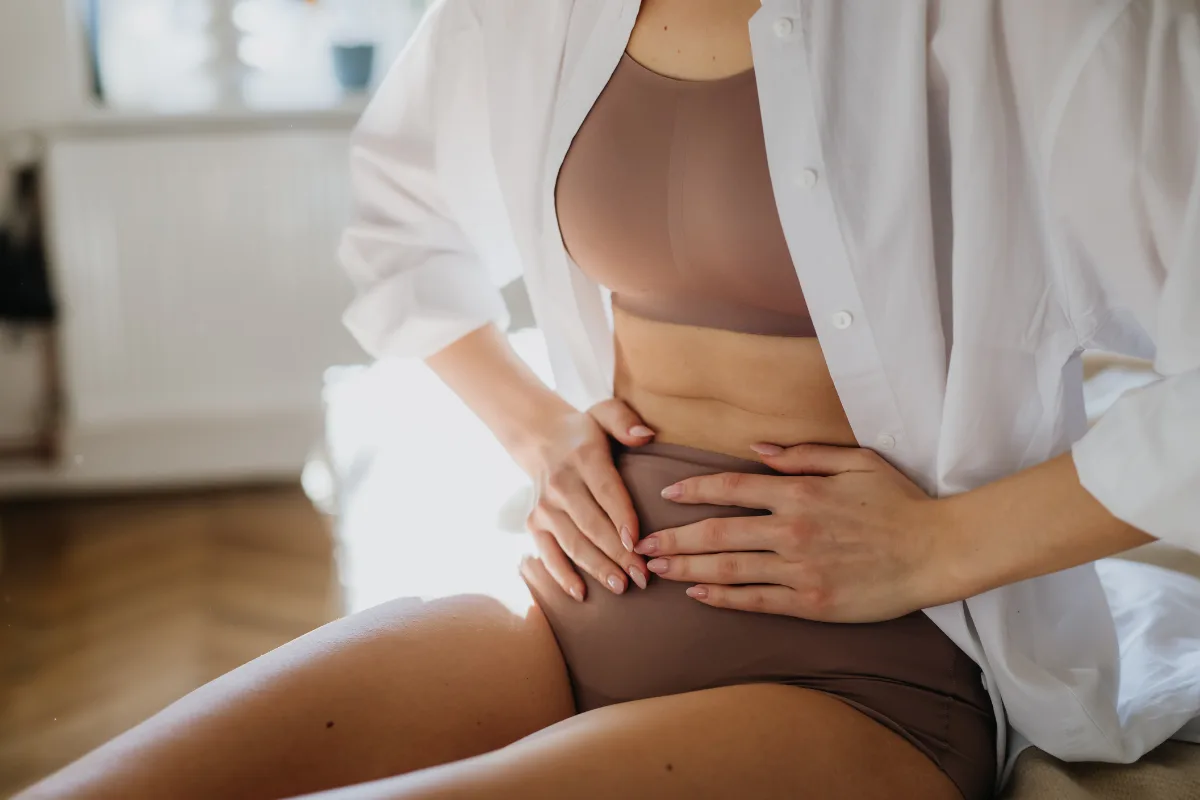
Symptoms can vary widely, and diagnosis is often delayed for this reason. Pelvic pain, especially before and during menses, is the most common symptom. Pain during intercourse can occur. If other pelvic organs are affected, there can be pain with bowel movements or pain with urination, or blood in the stools or urine during menses. Approximately 40% of women with infertility have endometriosis. Some women have no symptoms and are diagnosed with endometriosis due to infertility, or it is found during surgery for other reasons. If endometriosis involves the thorax, there can be cyclical shortness of breath, chest or shoulder pain, and coughing up blood. Deep endometriosis can cause significant complications in other organs, such as bowel obstruction.
Other symptoms may include:
- Chronic pelvic pain
- Heavy bleeding during periods or bleeding between periods
- Fatigue
- Bloating or nausea
- Abdominal pain
- Low back pain
- Depression or anxiety
How can it be treated?
There is no cure for endometriosis, but it can be treated.
Non-steroidal anti-inflammatory drugs can help with painful periods.
Hormonal therapy aims to suppress menses and stop ovulation if that is painful; these medications can help slow down the growth of endometrial tissue and prevent new adhesions from forming, but do not eliminate existing endometriosis tissue. Hormonal contraceptives, either combined estrogen-progestin contraceptives or progestin-only contraceptives, are considered to be the first-line therapy for endometriosis and may help with painful periods, chronic pelvic pain, and pain with intercourse.
Gonadotropin-releasing hormone (GnRH) antagonists and GnRH agonists are considered second-line therapy and are usually started under the supervision of a gynaecologist. Use of GnRH agonists and higher doses of GnRH antagonists requires the administration of hormones to balance out the adverse effects of severely low estrogen.
Surgery is needed when medications fail to provide benefit, are not well tolerated, or cannot be used, such as in the case of a woman wanting to conceive. Surgery aims to remove endometriosis tissue, but symptom control may not last in the long term. Up to 80% of women have recurrence of symptoms 2 years after surgery. Taking medication after surgery may help extend the symptom-free period. Fertility sparing surgery can range from ablation or excision of endometriosis deposits to ovarian cystectomies which are usually done laparoscopically. Hysterectomy, with or without removal of the ovaries,is a last resort. Hysterectomy is meant for those with severe symptoms, disease recurrence, adenomyosis (presence of endometrial tissue inside the uterine muscle), and no desire to conceive in the future.
For infertility caused by endometriosis, surgical treatment of superficial peritoneal endometriosis may improve the chance of natural conception. Along with surgery, other treatments for endometriosis-related infertility can include ovarian stimulation with intrauterine insemination and in vitro fertilisation. Minimising the potential adverse effects of surgery on ovarian reserve, as can occur with the removal of endometriomas, should be prioritised when treating infertility.