



More in News
-


News
Singapore Expands Mental Health Nursing Homes
Hougang’s new co-located nursing and rehab homes add 305 psychiatric care beds, strengthening reintegration support. 305...
-


News
Quantum-AI Platform for Cancer Immunotherapy (Japan)
NEC and Taiho Pharmaceutical lead a consortium to harness quantum-AI for accelerating cancer immunotherapy breakthroughs. Quantum-AI...
-


News
Dengue Surge in Bangladesh Hits Record High
Bangladesh is grappling with its deadliest dengue outbreak in history, with hospitals overwhelmed and mosquito control...
-


News
Avian Influenza Reassortment Raises Spillover Risk
New H5N1 lineages in South and Southeast Asia are reshaping zoonotic risk, with experts warning of...
-

News
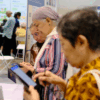
Asia MD @ Eldex Asia 2026: Free Screenings That Put Care First
Asia MD’s booth became a hub of excitement as participants flocked to experience professional eye and...
Advertisement


Trending