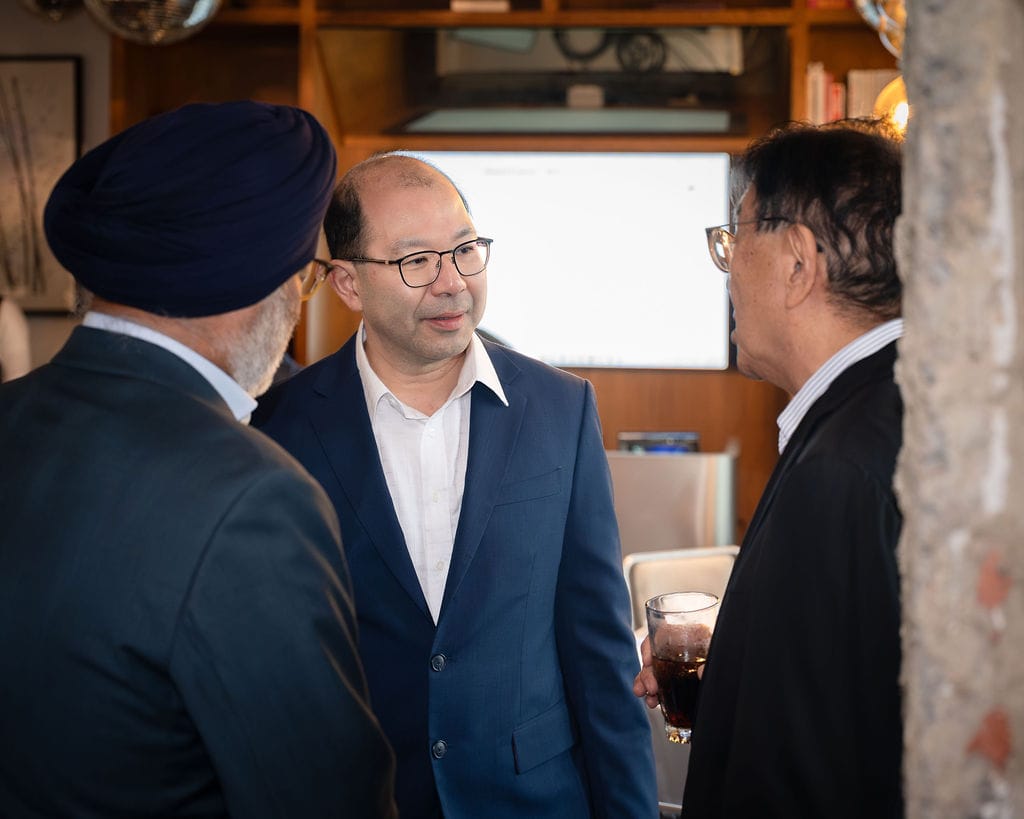
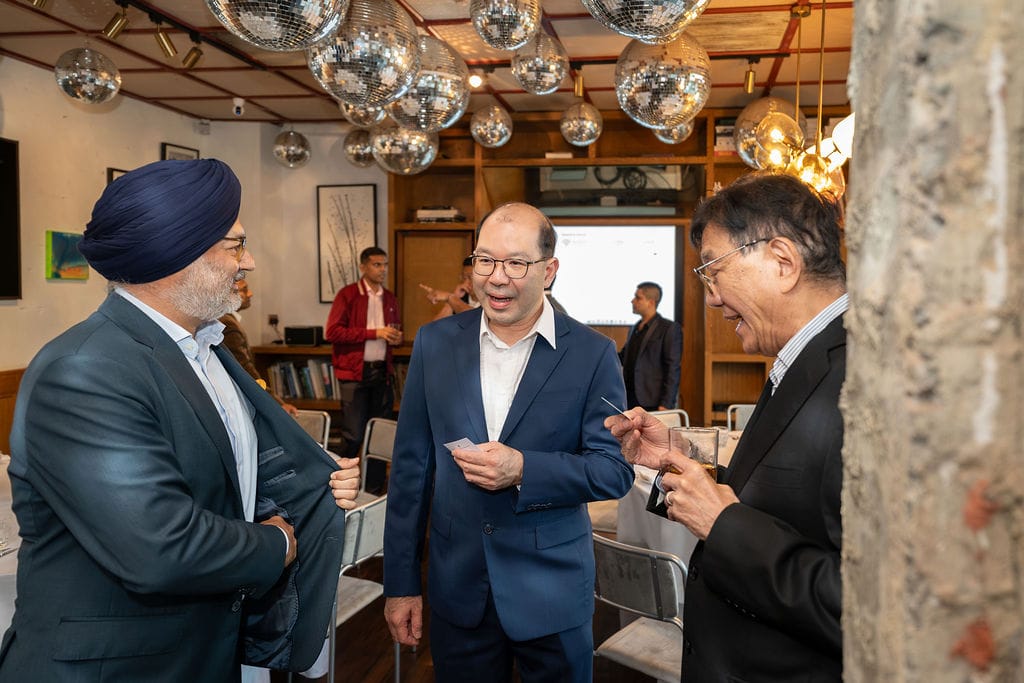
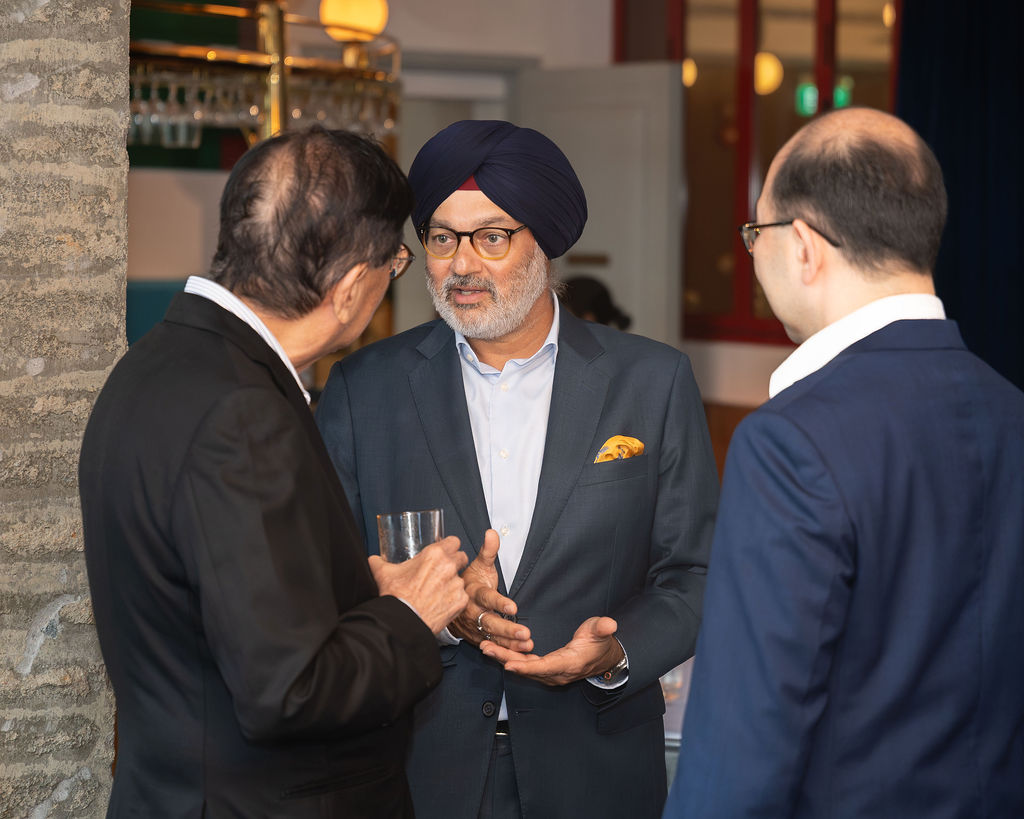
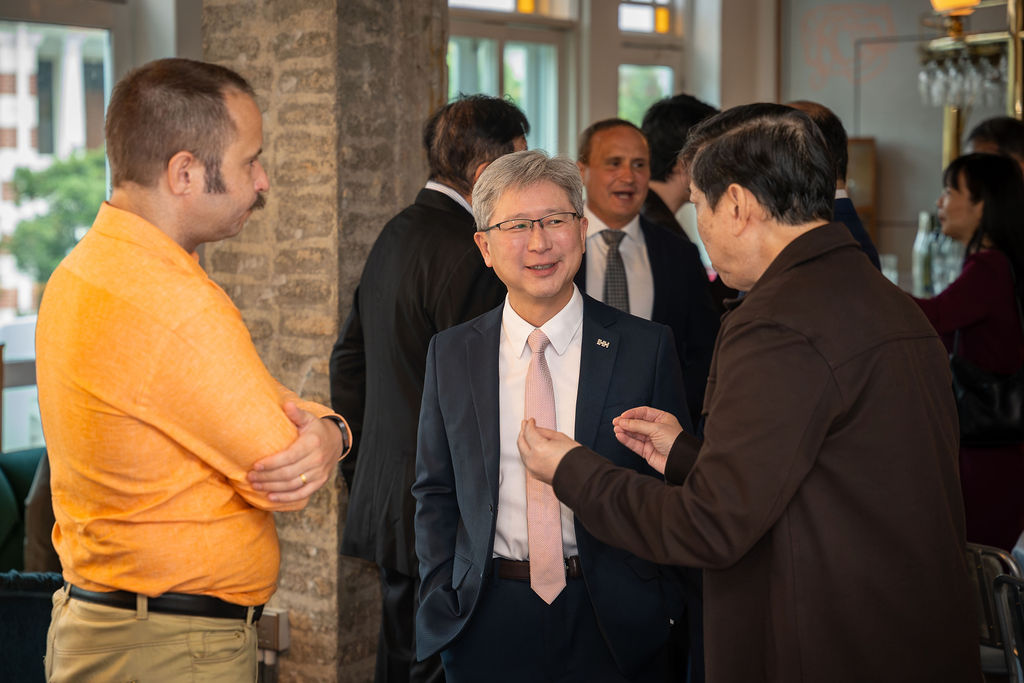
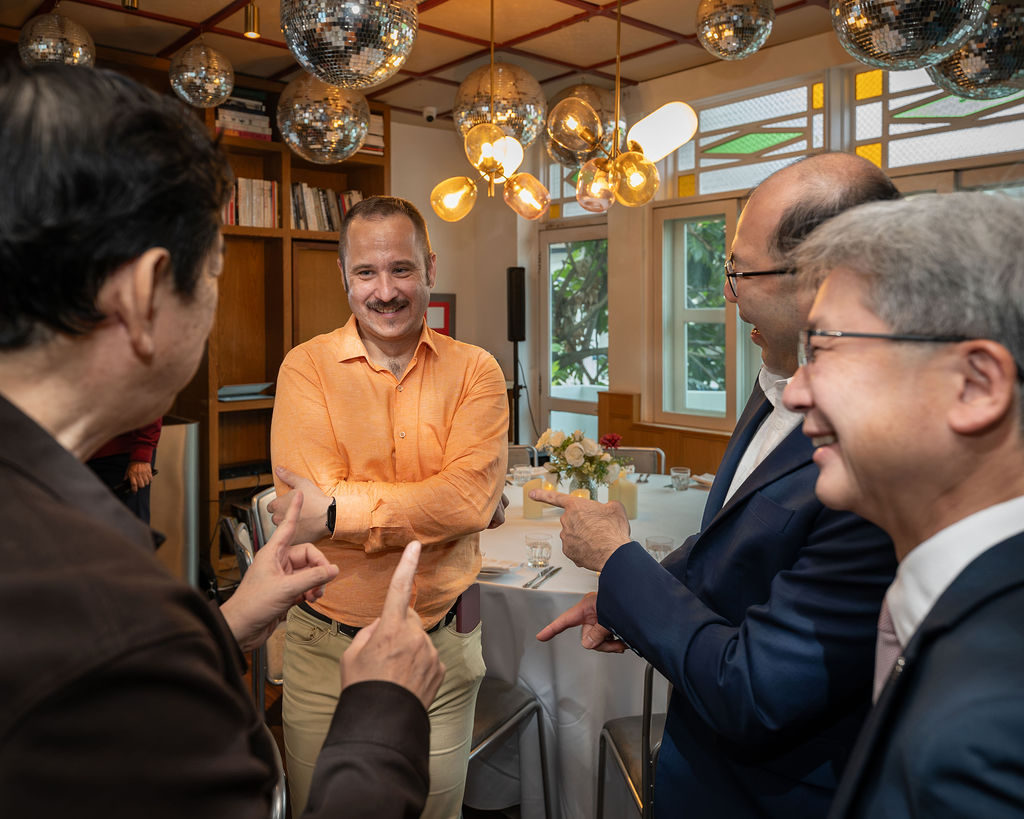
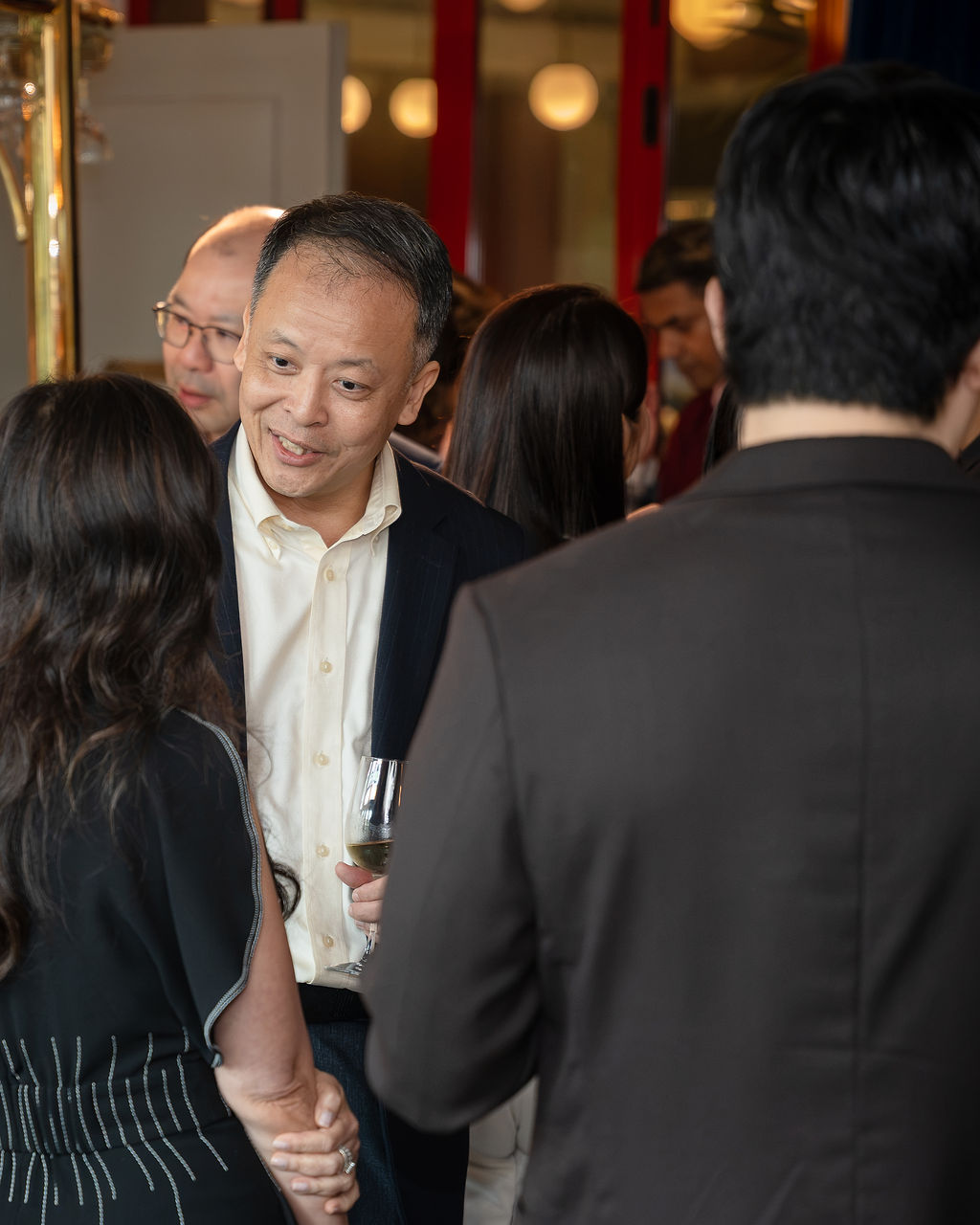
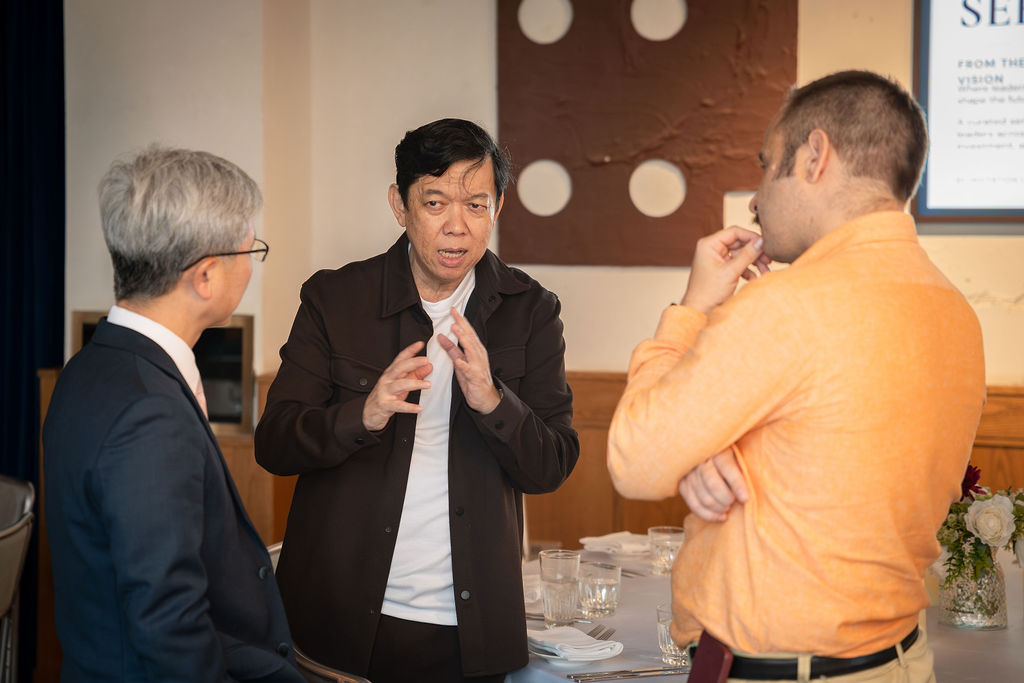
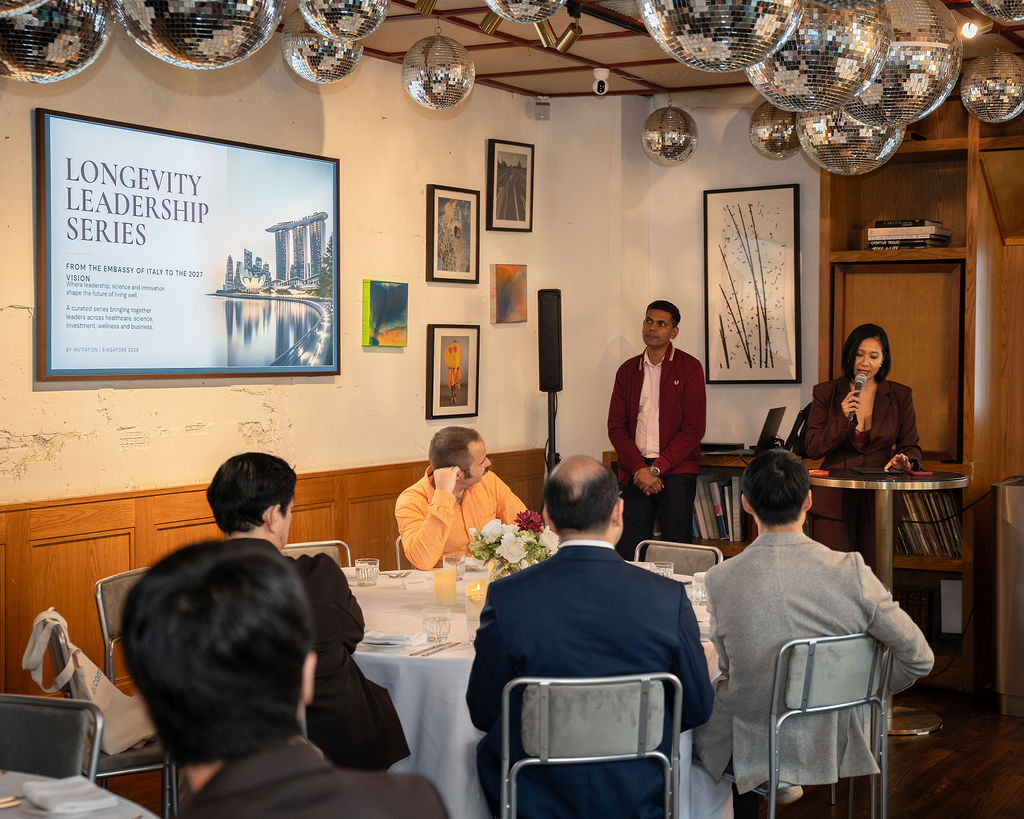
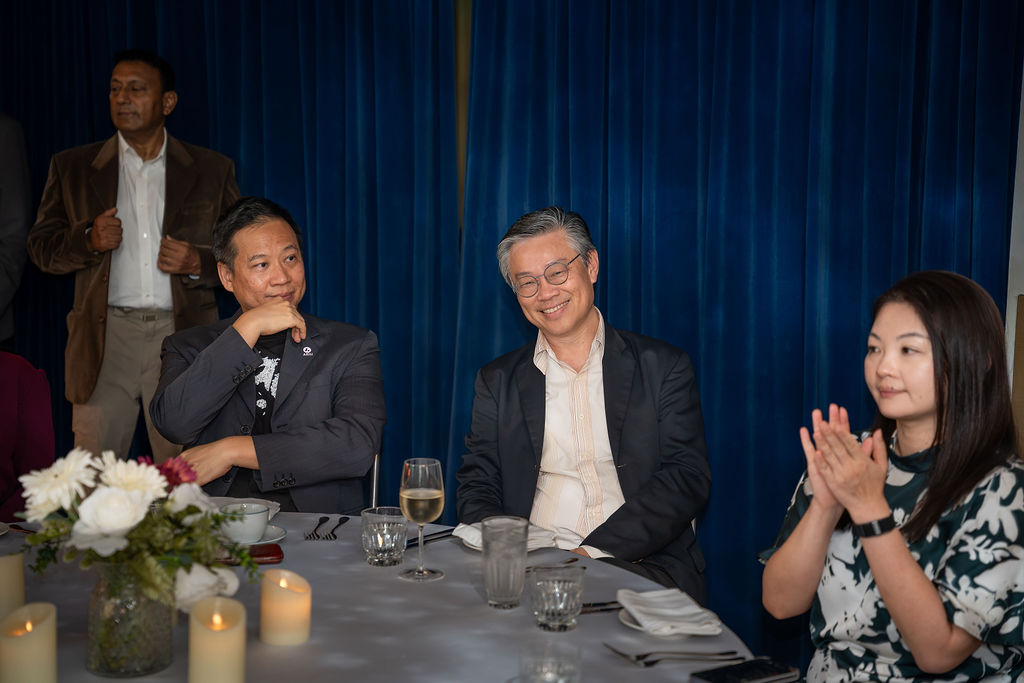
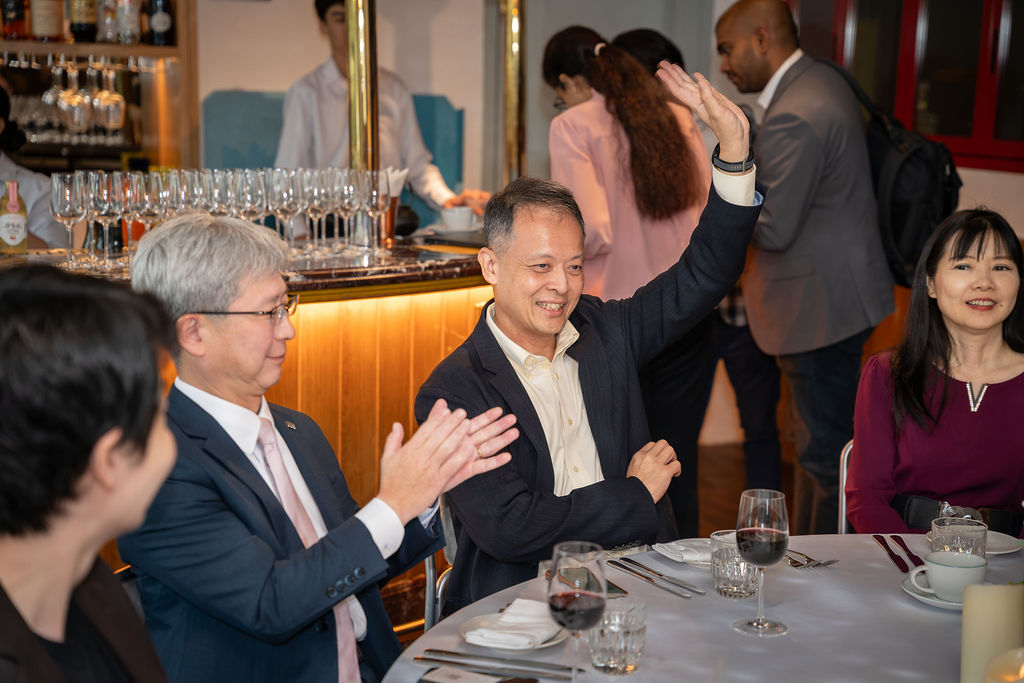
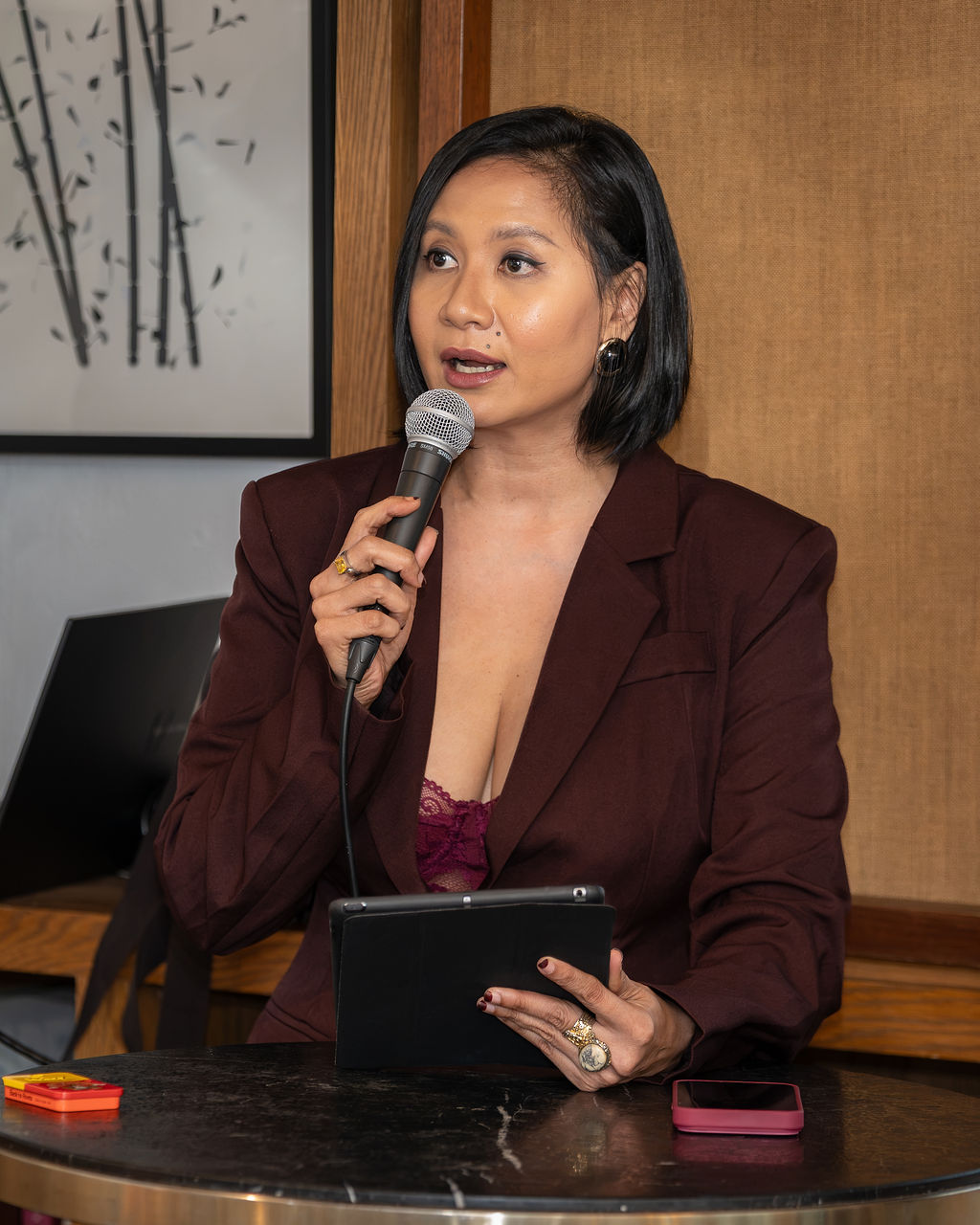
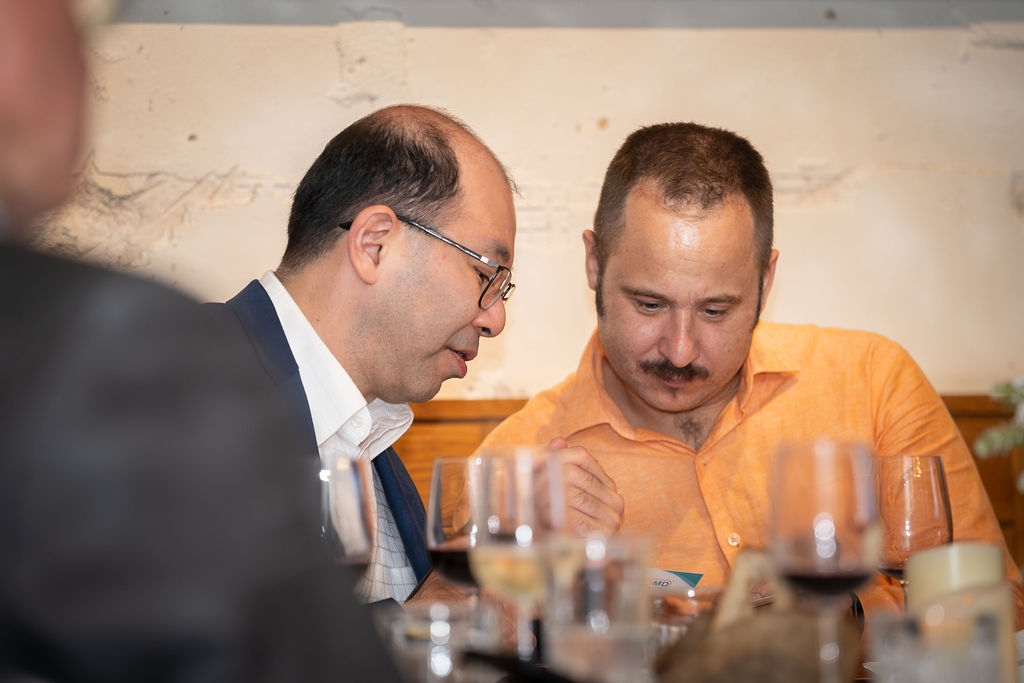
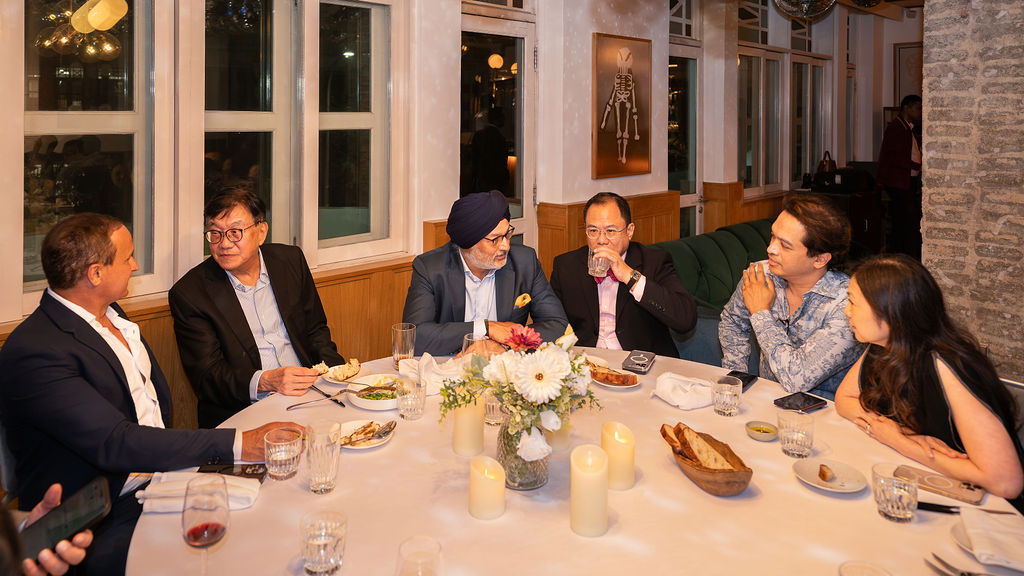
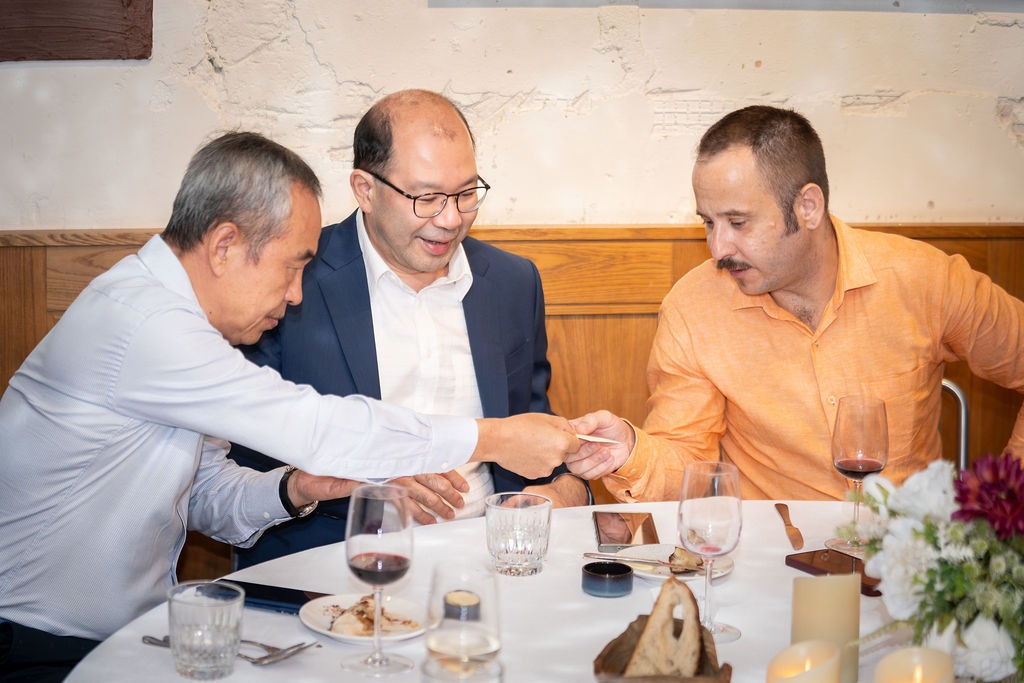
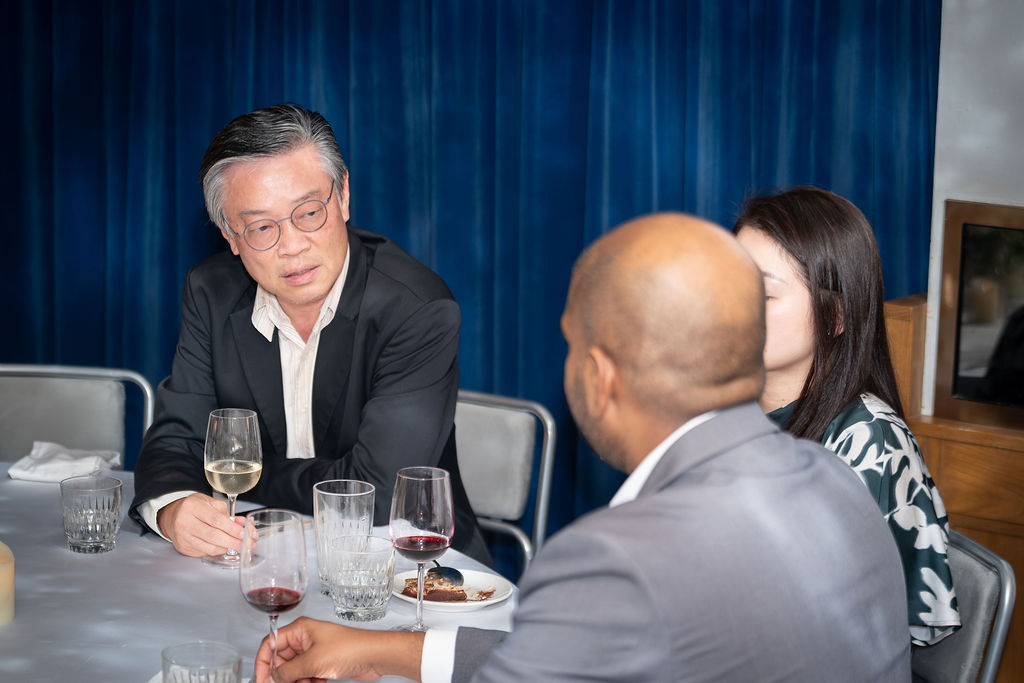
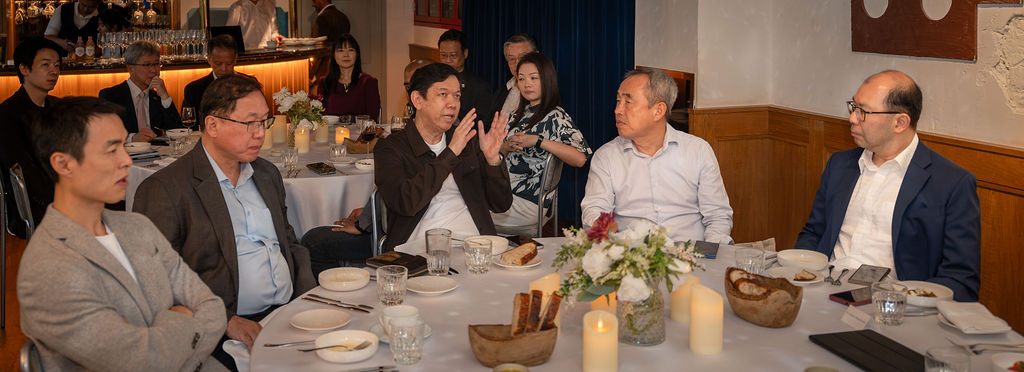
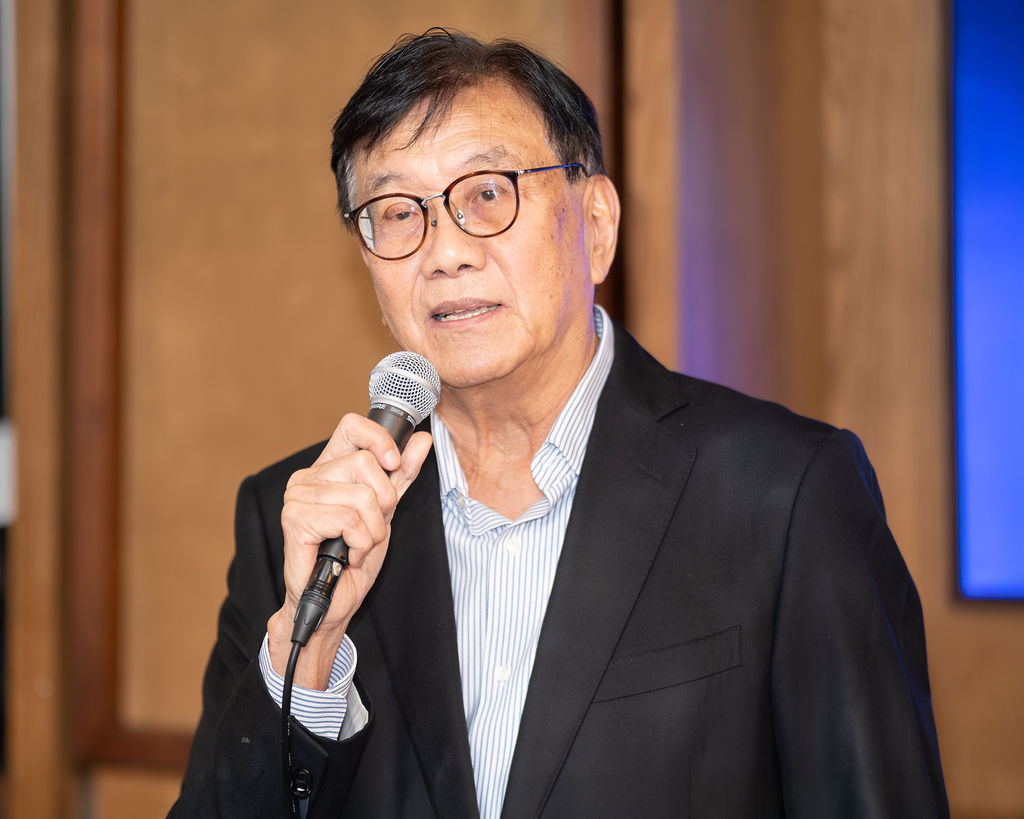
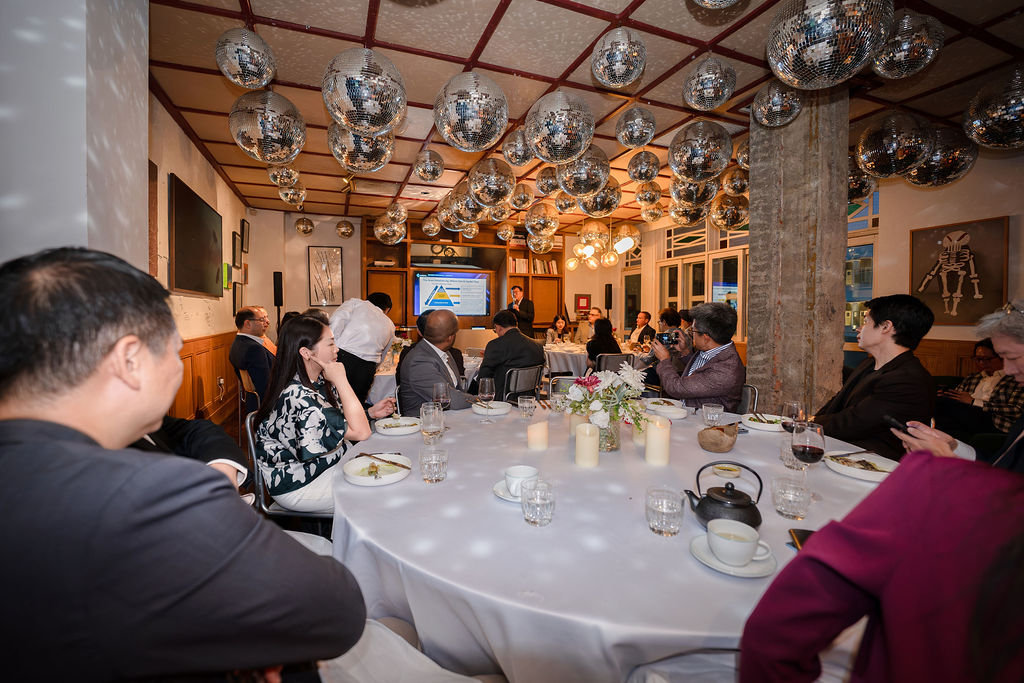
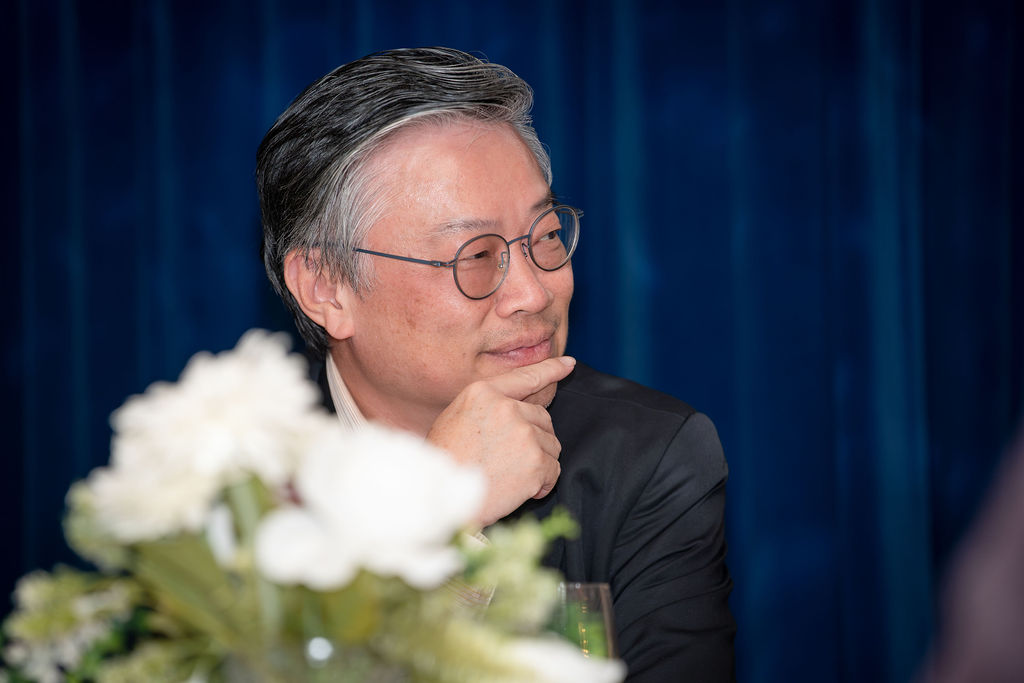
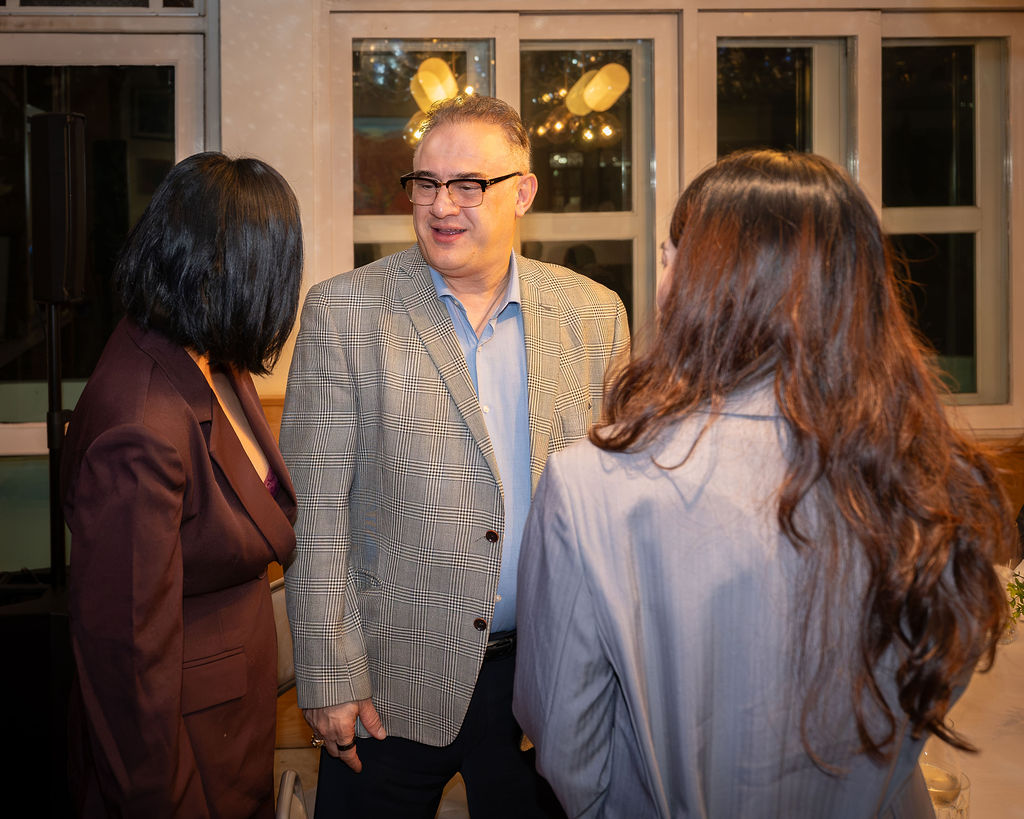
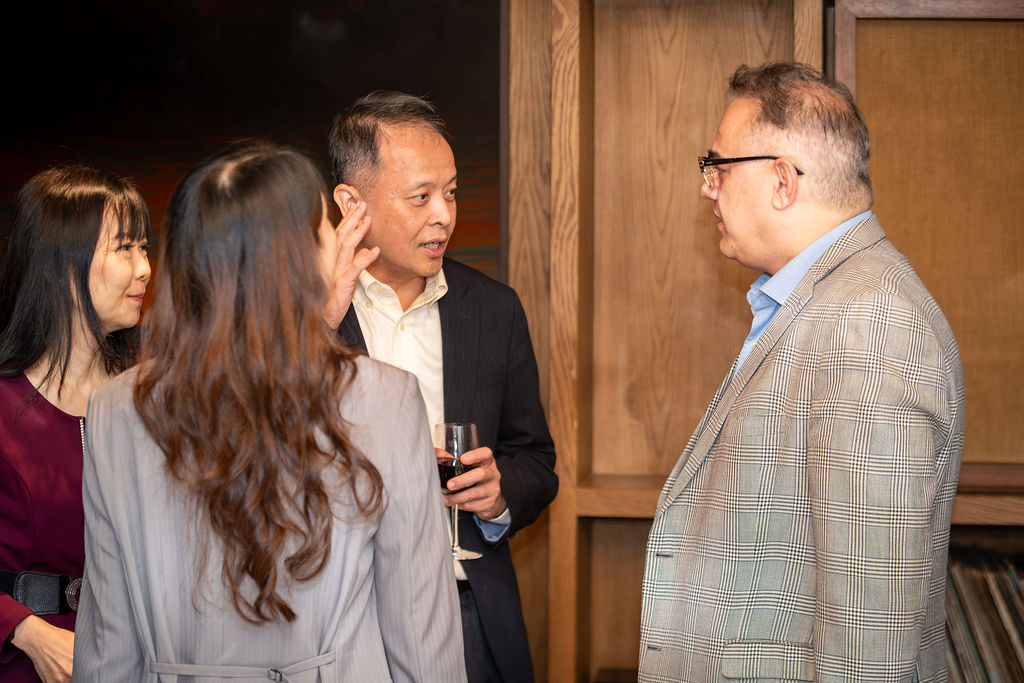
An intimate gathering of healthcare and investment leaders explores how longer lives are reshaping medicine and the future of health. K Dass reports.
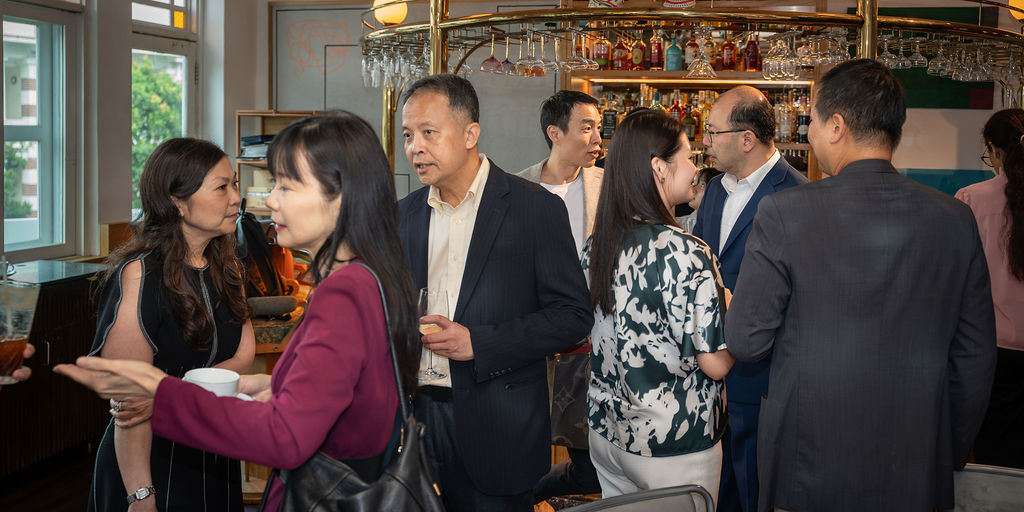
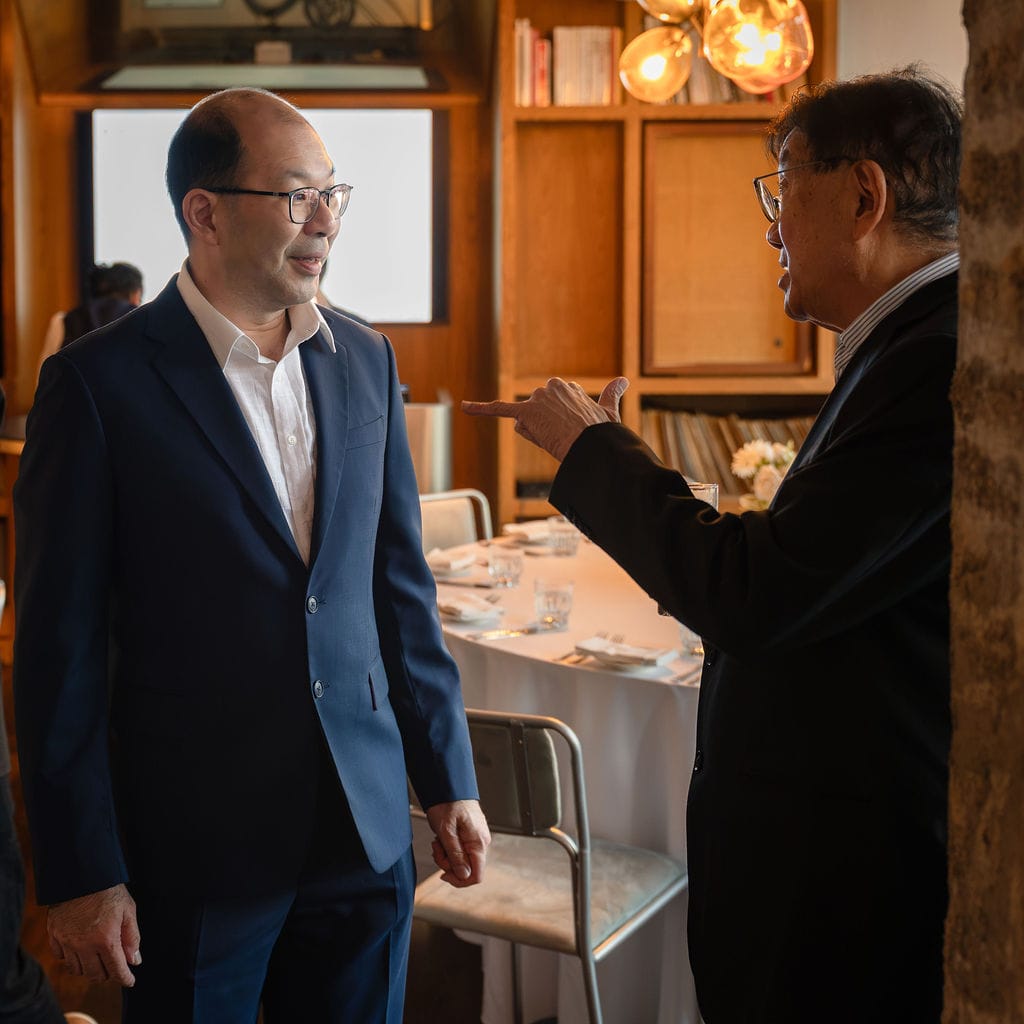
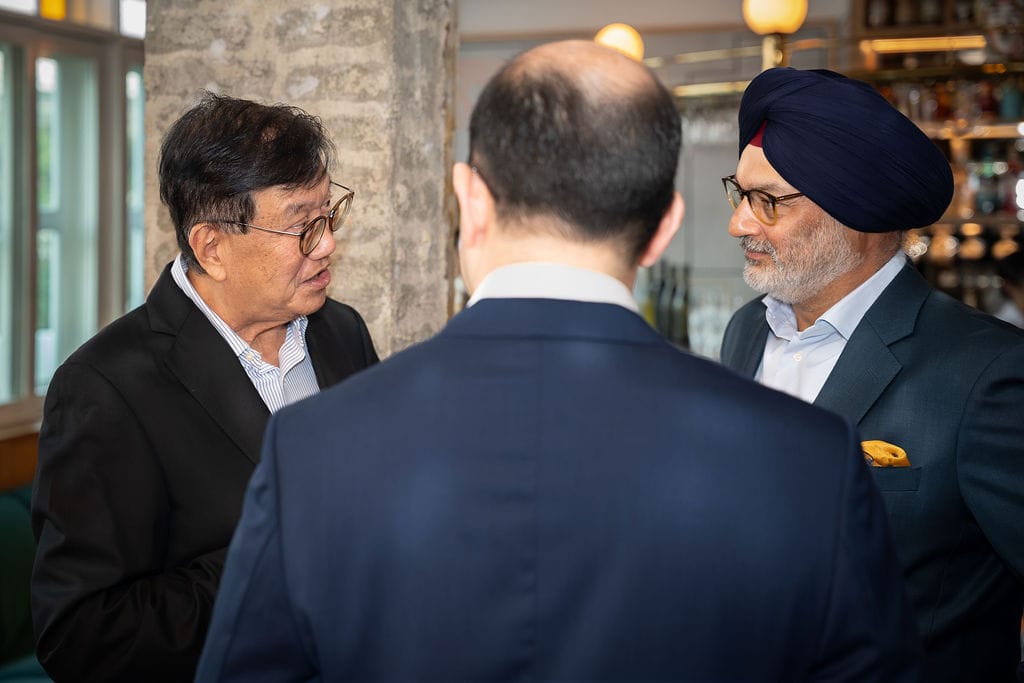
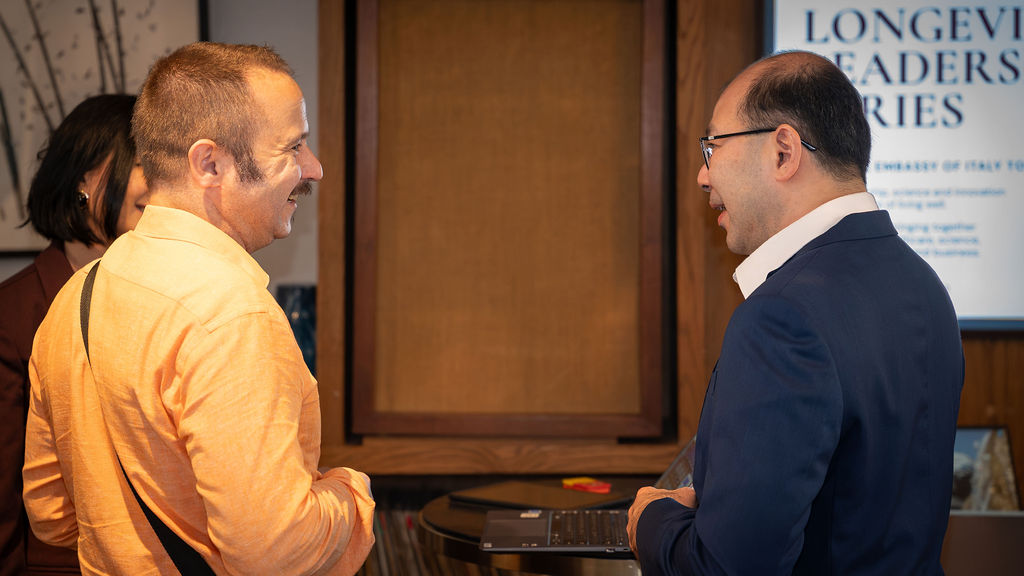
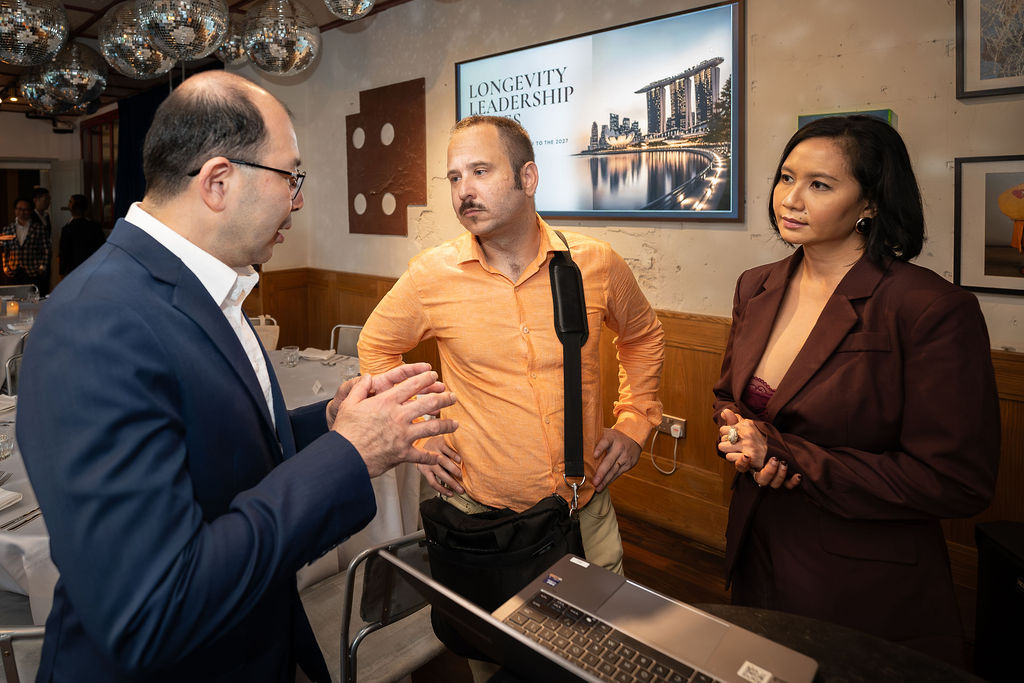
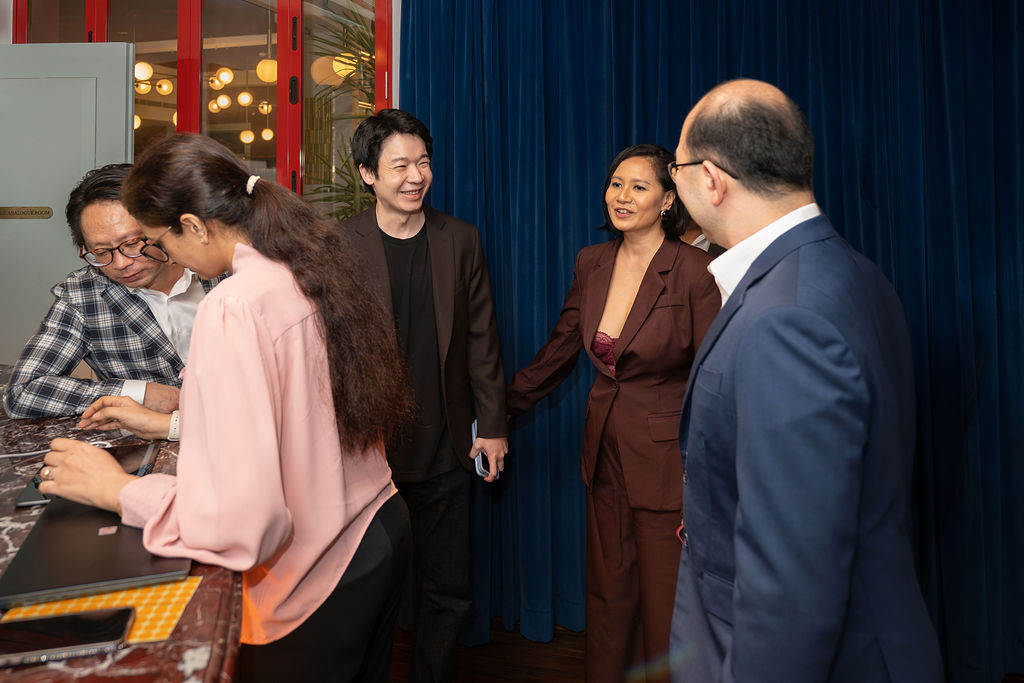
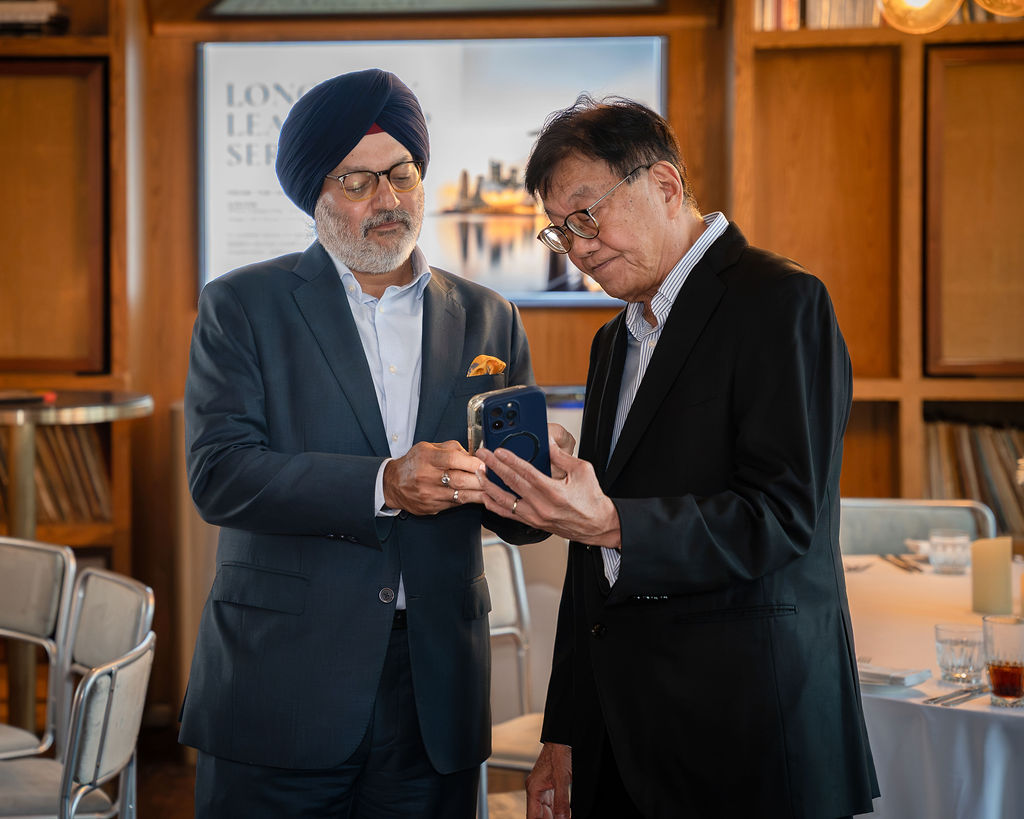
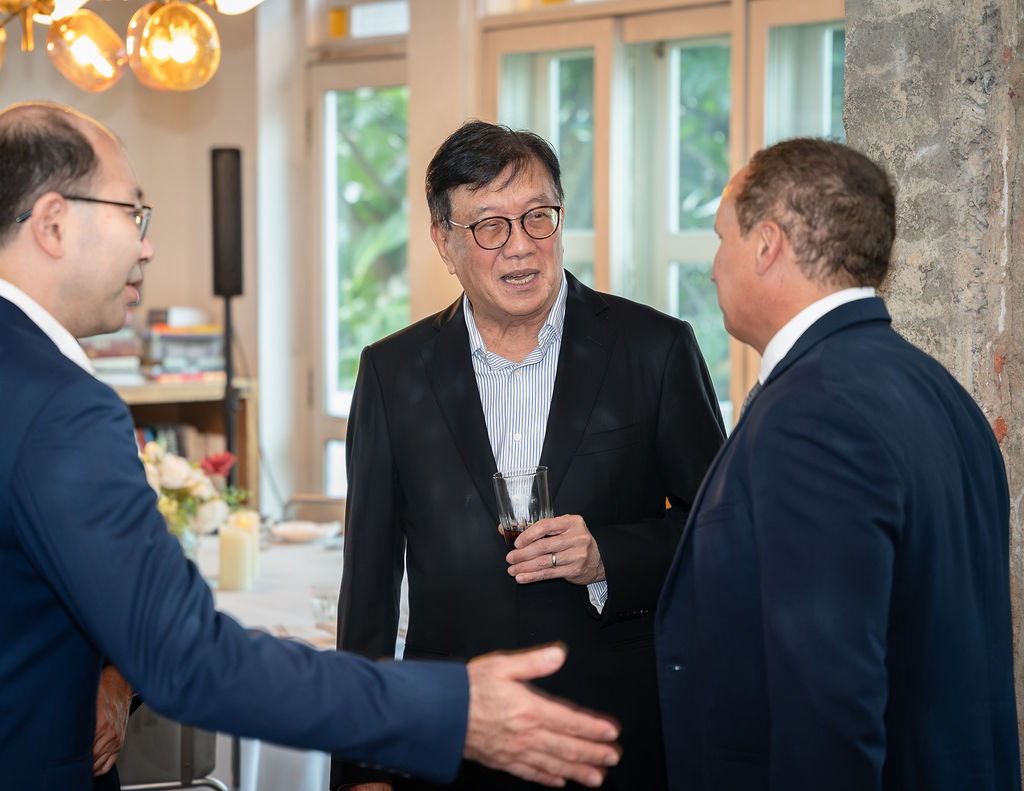
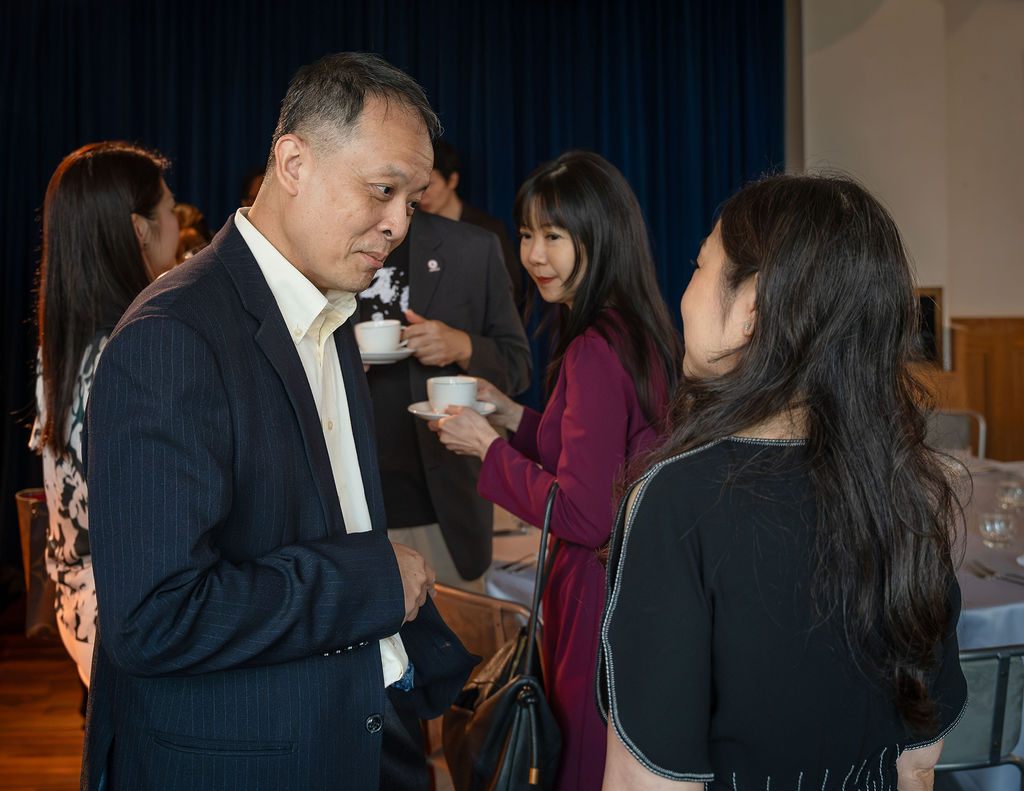
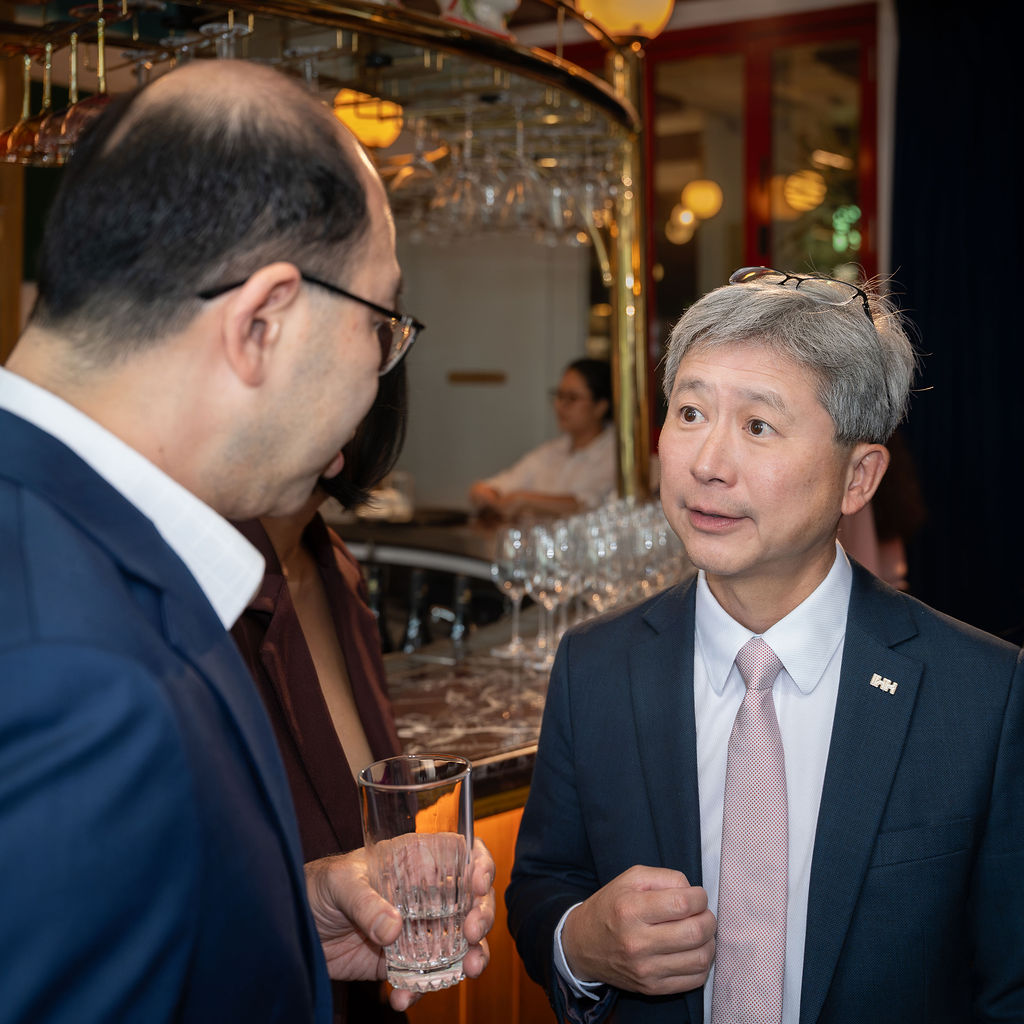
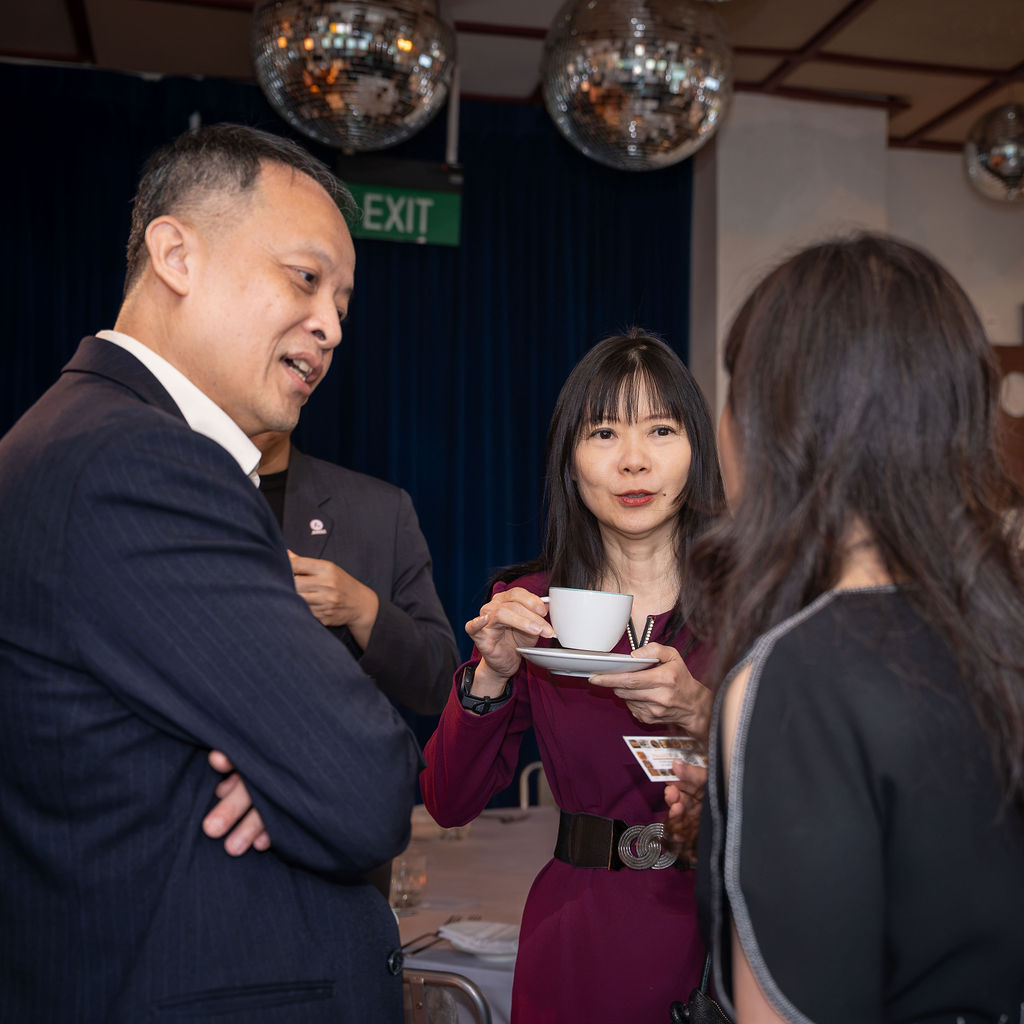
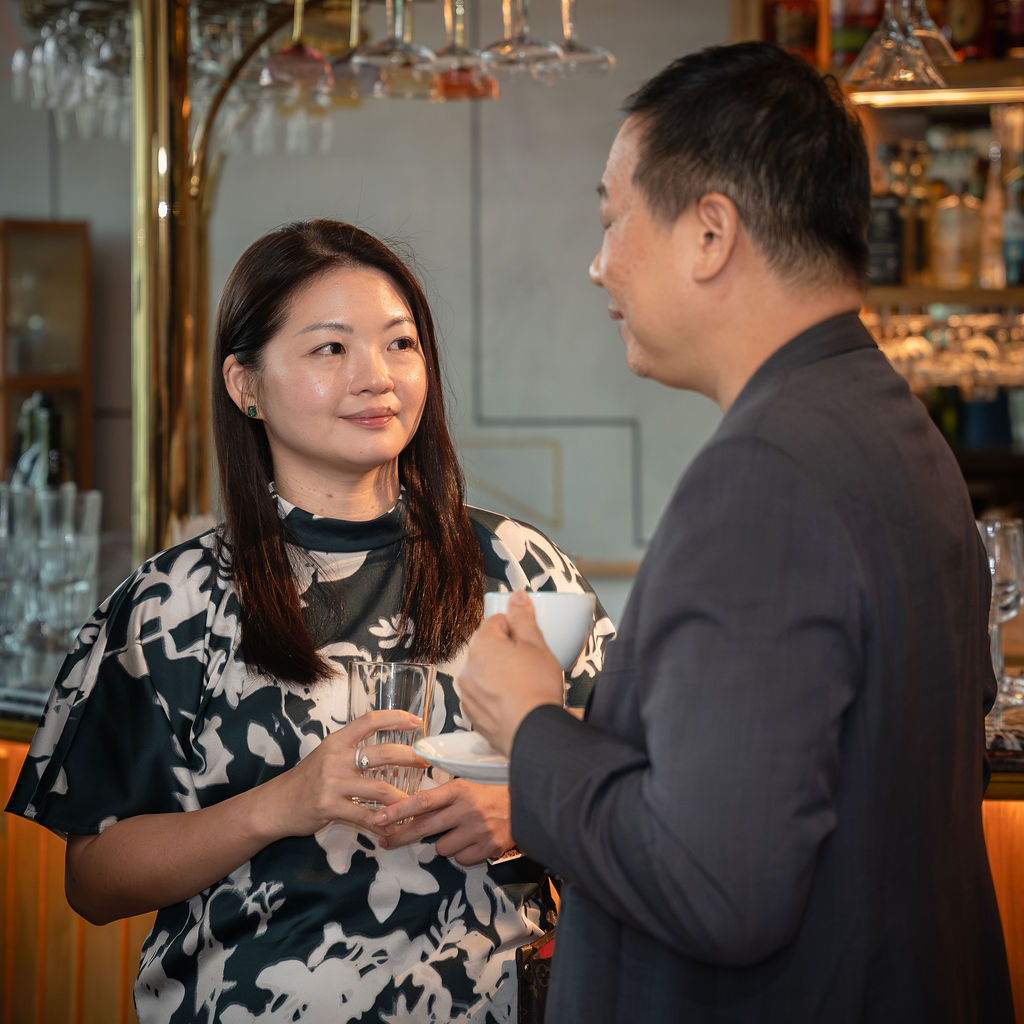
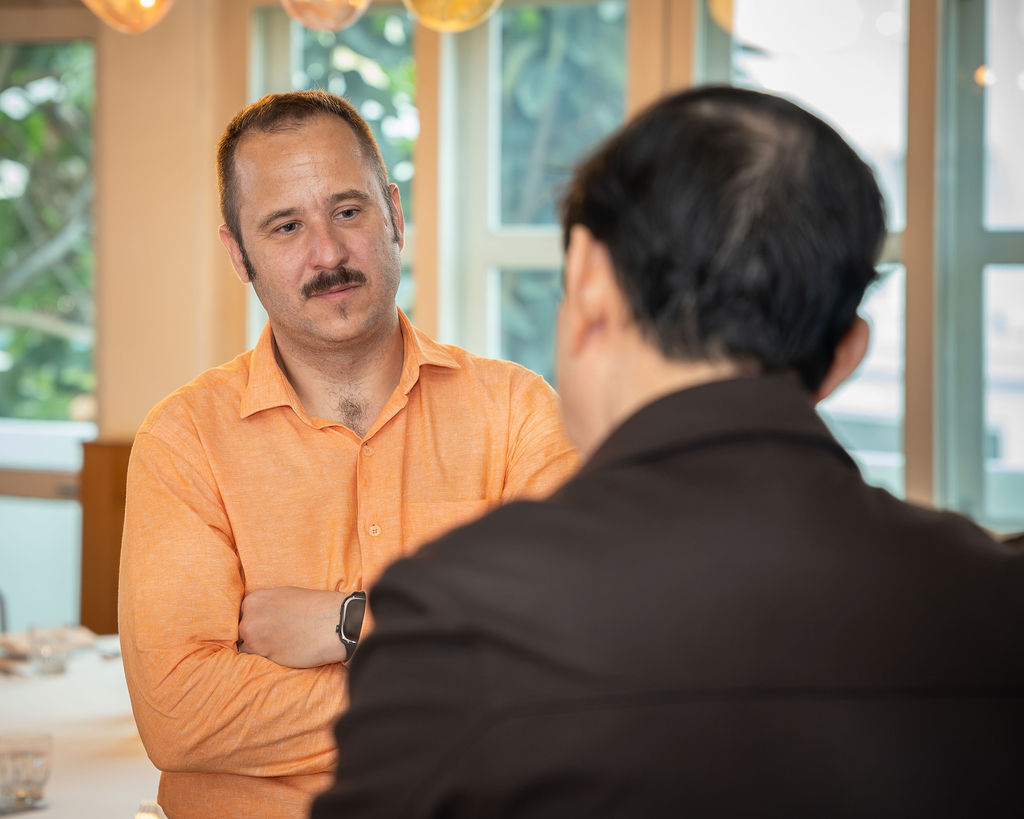
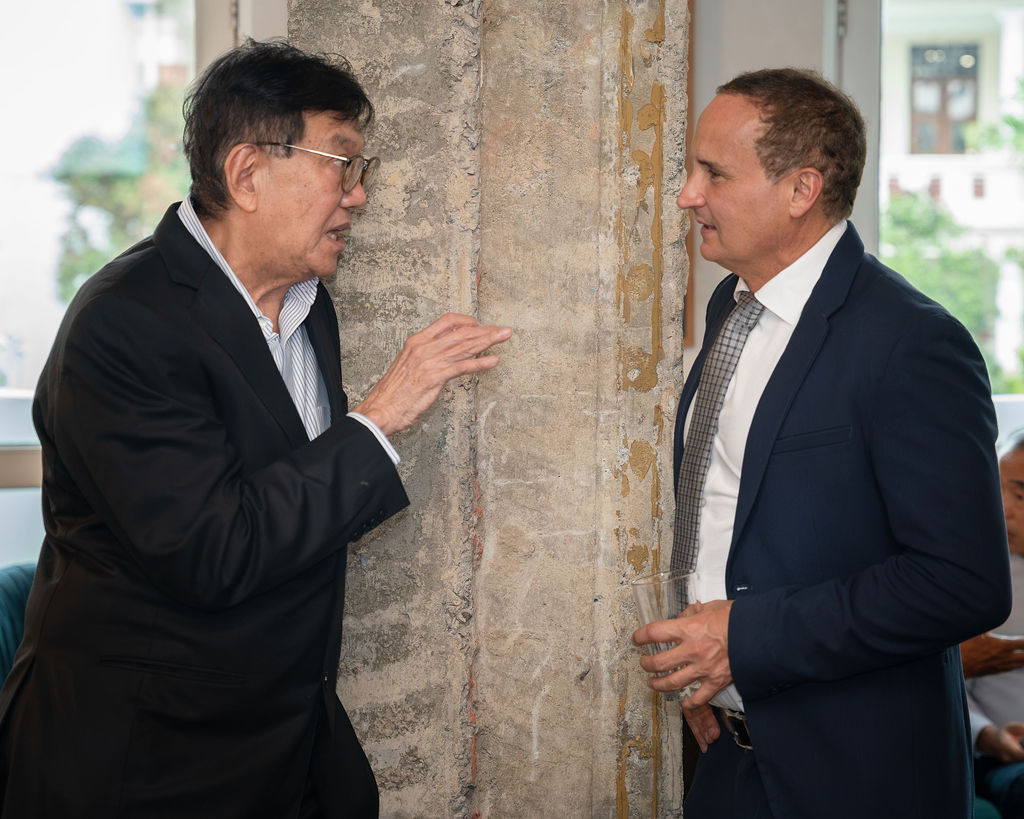
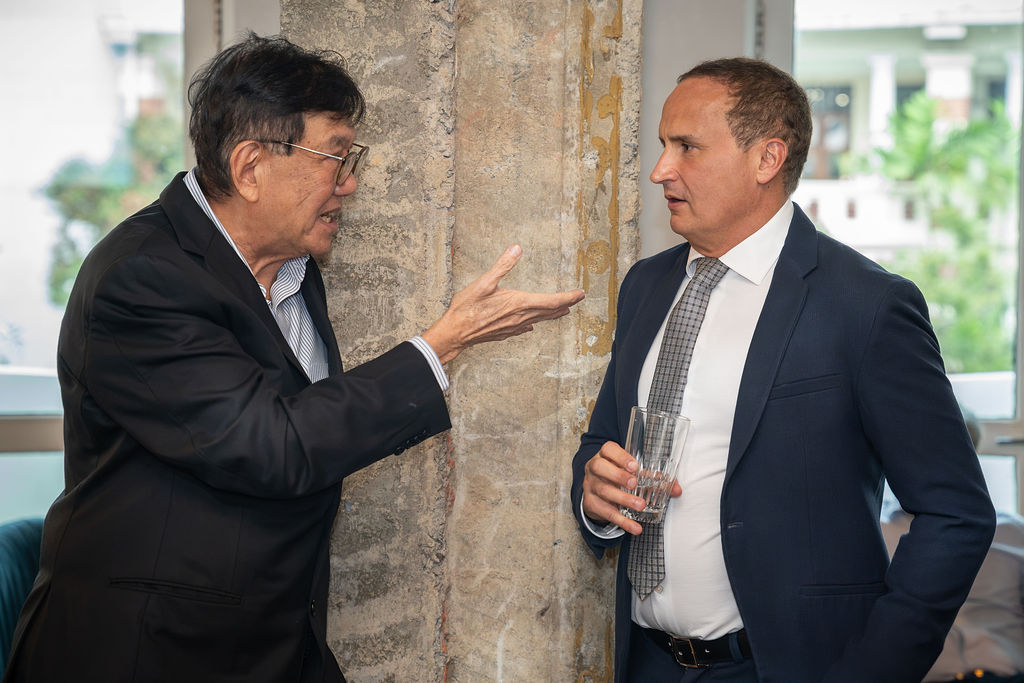
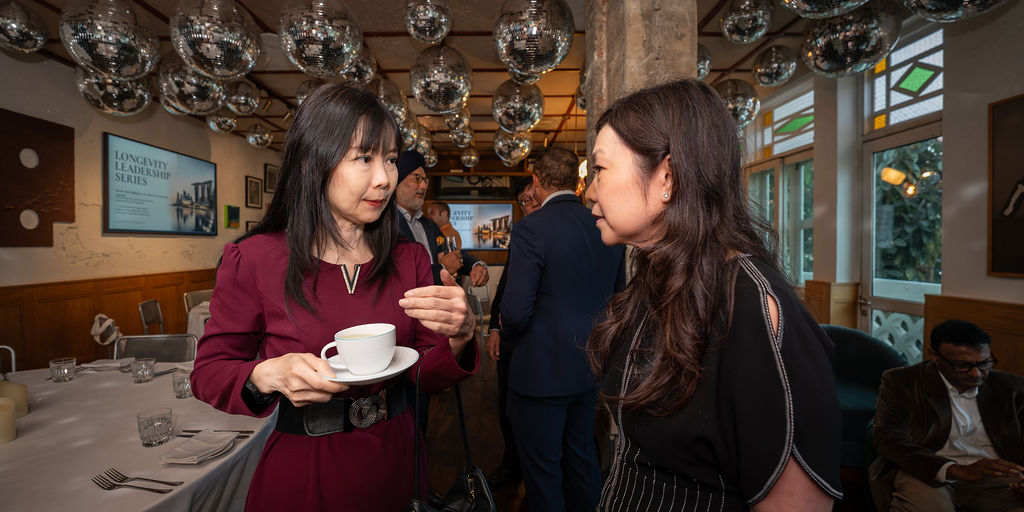
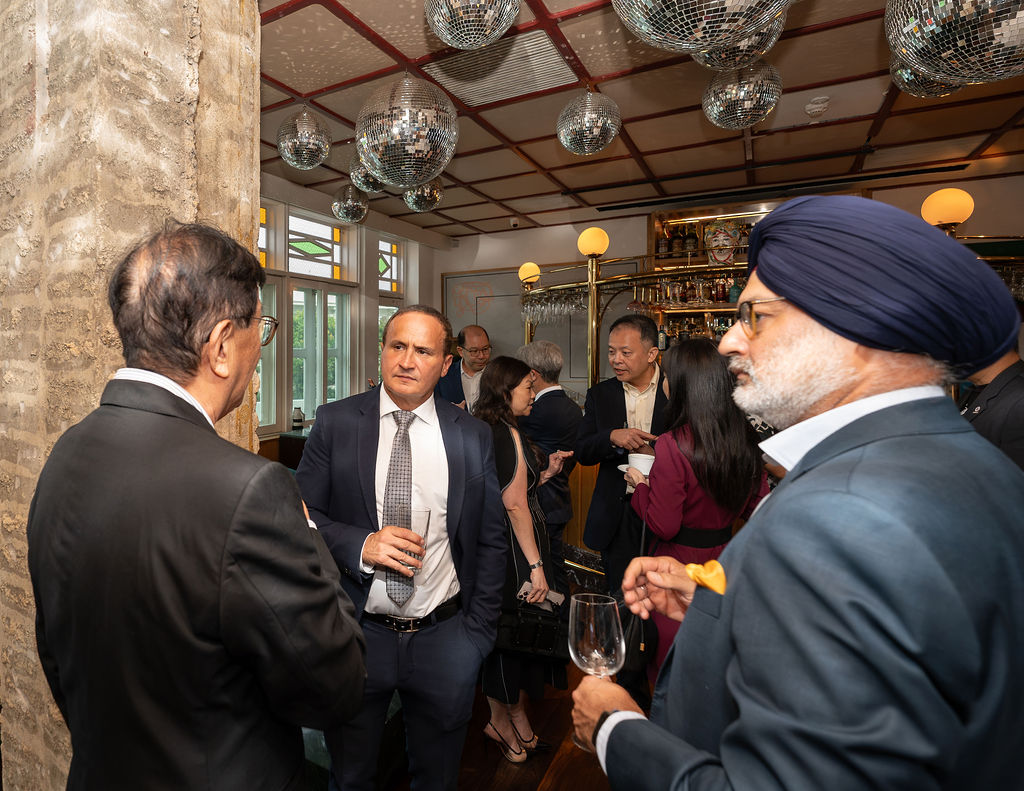
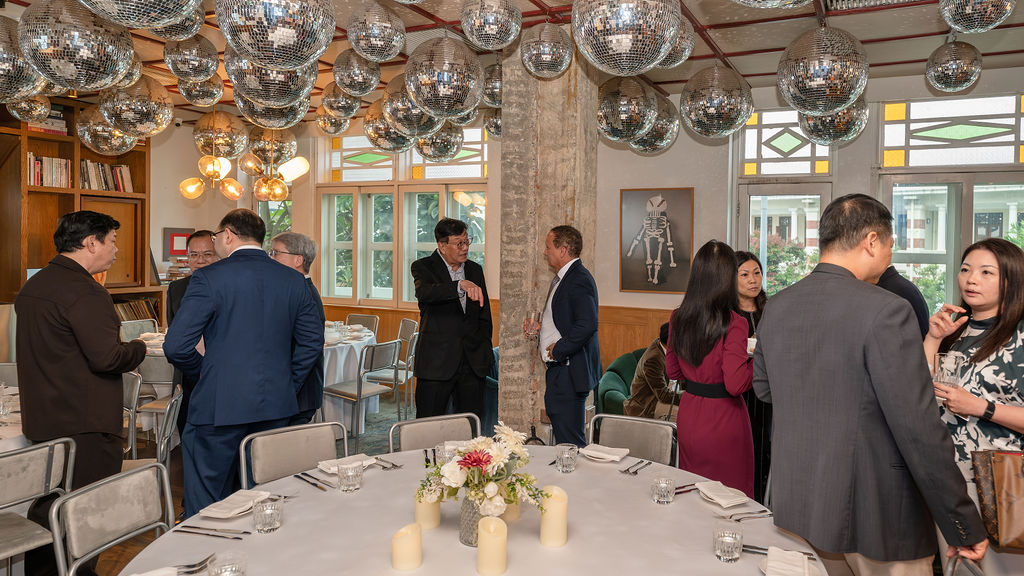
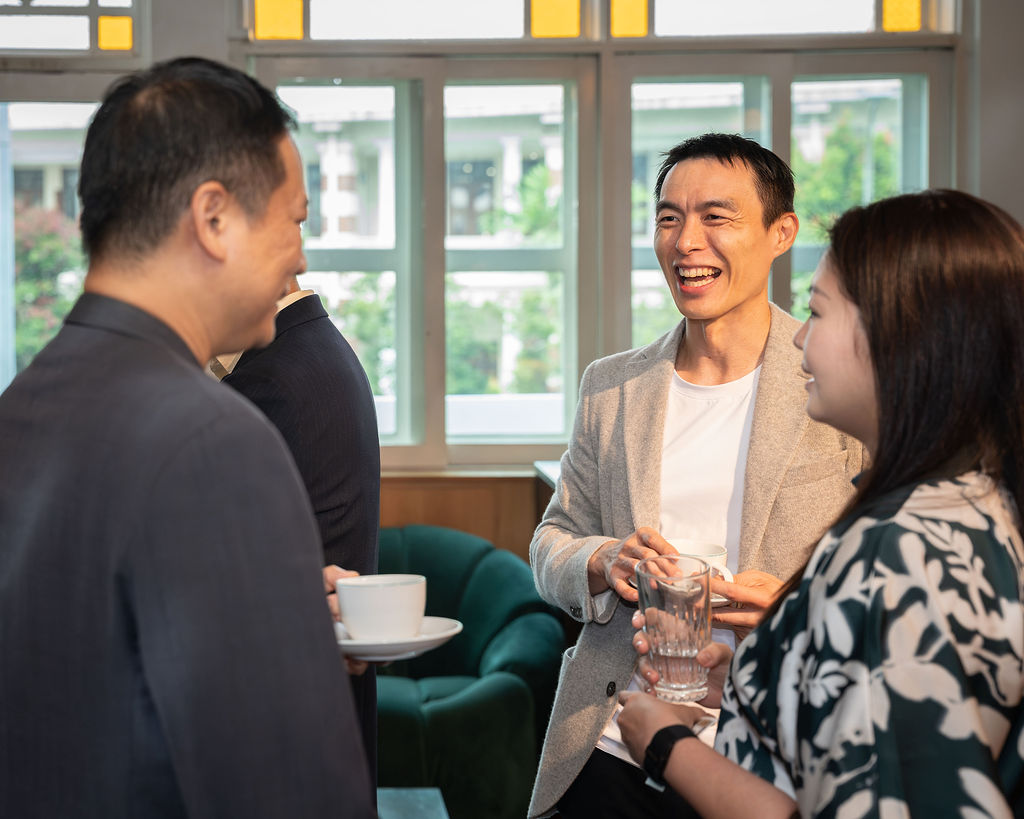
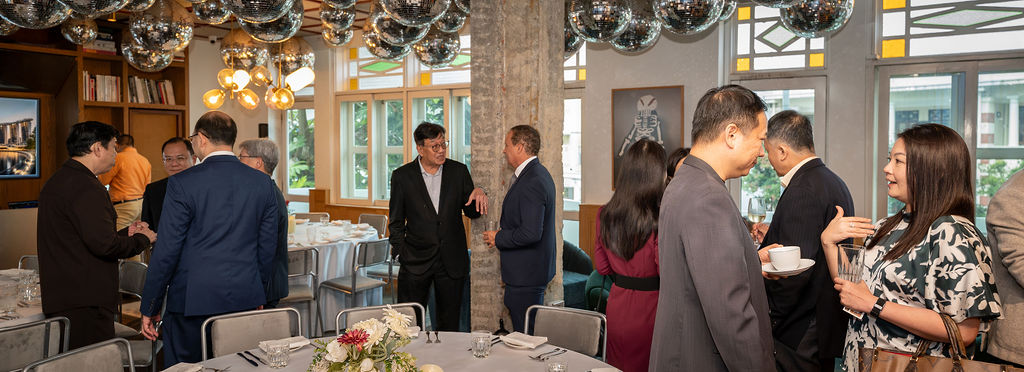
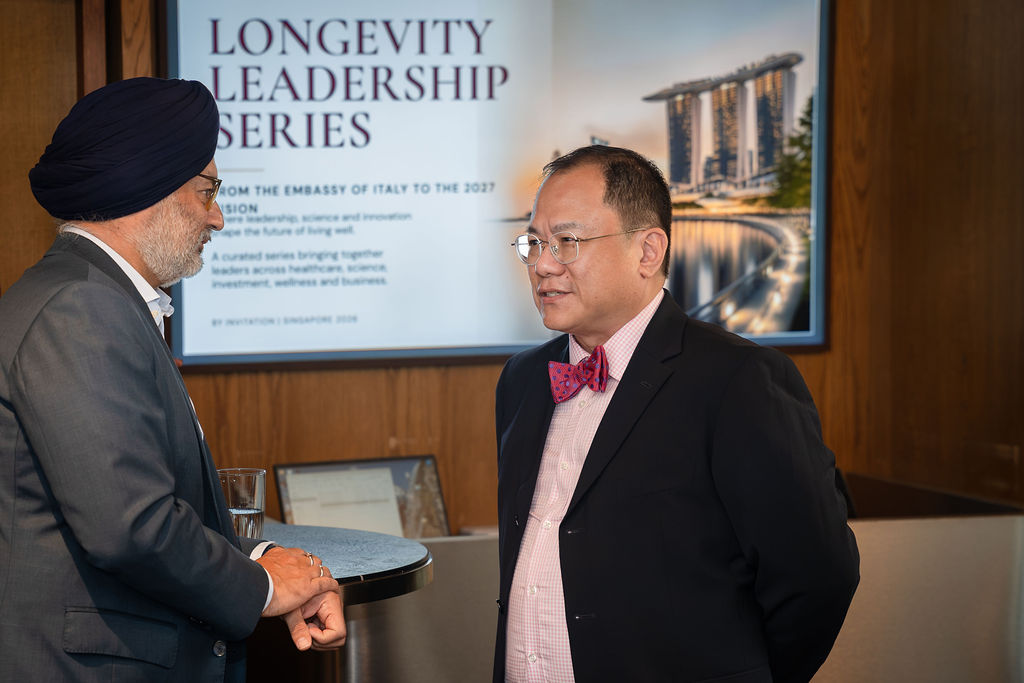
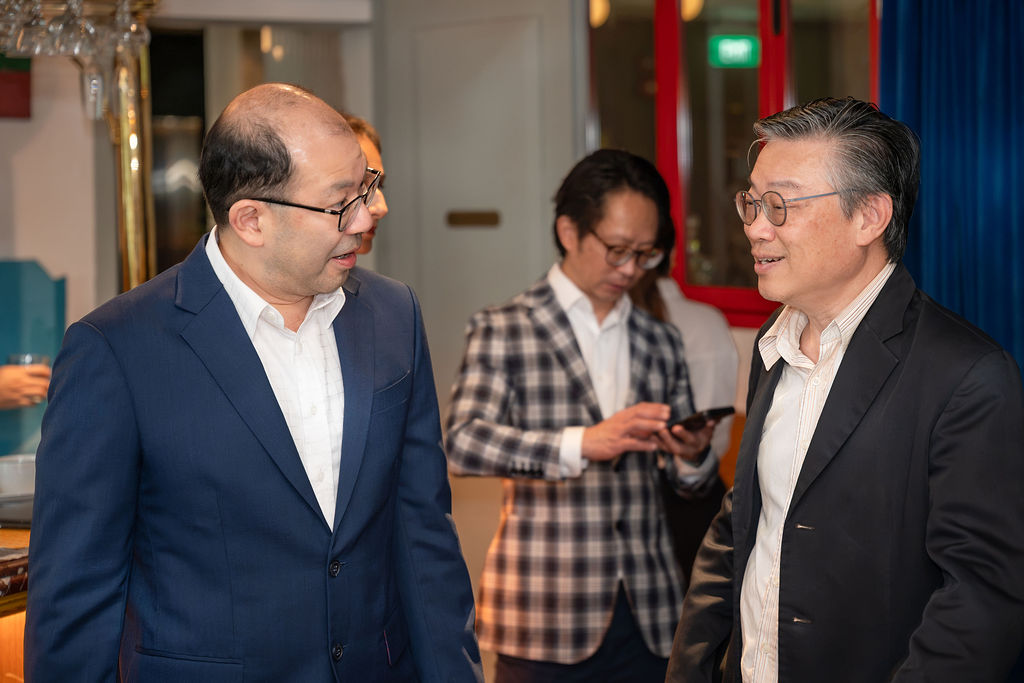
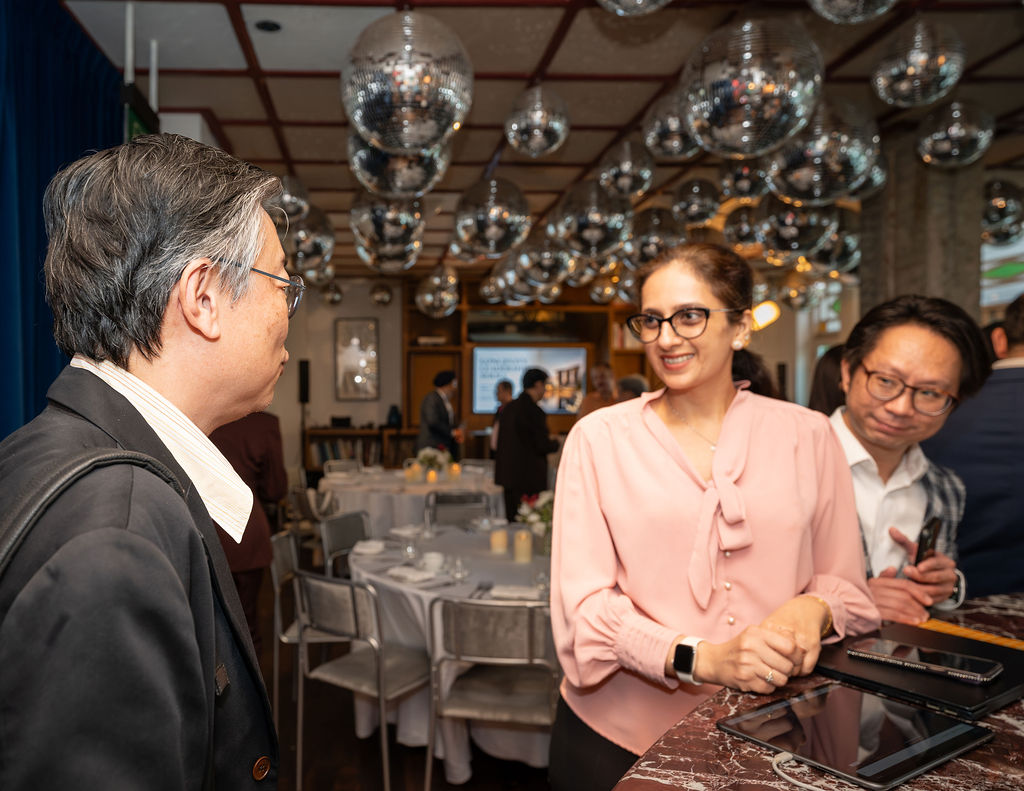
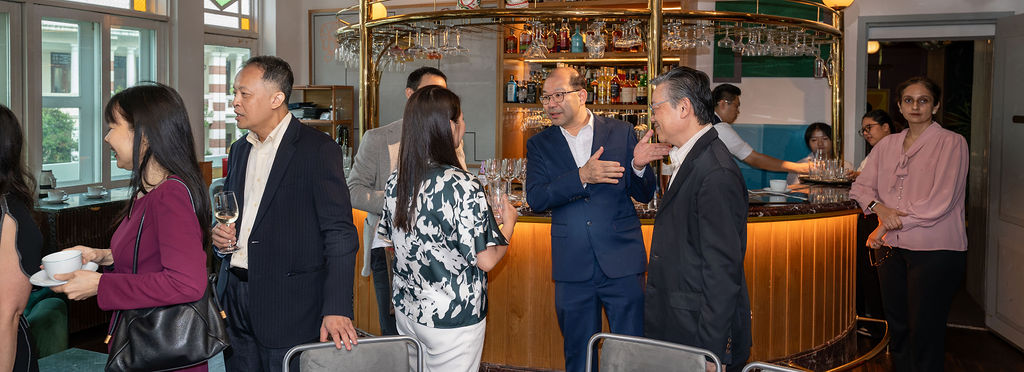
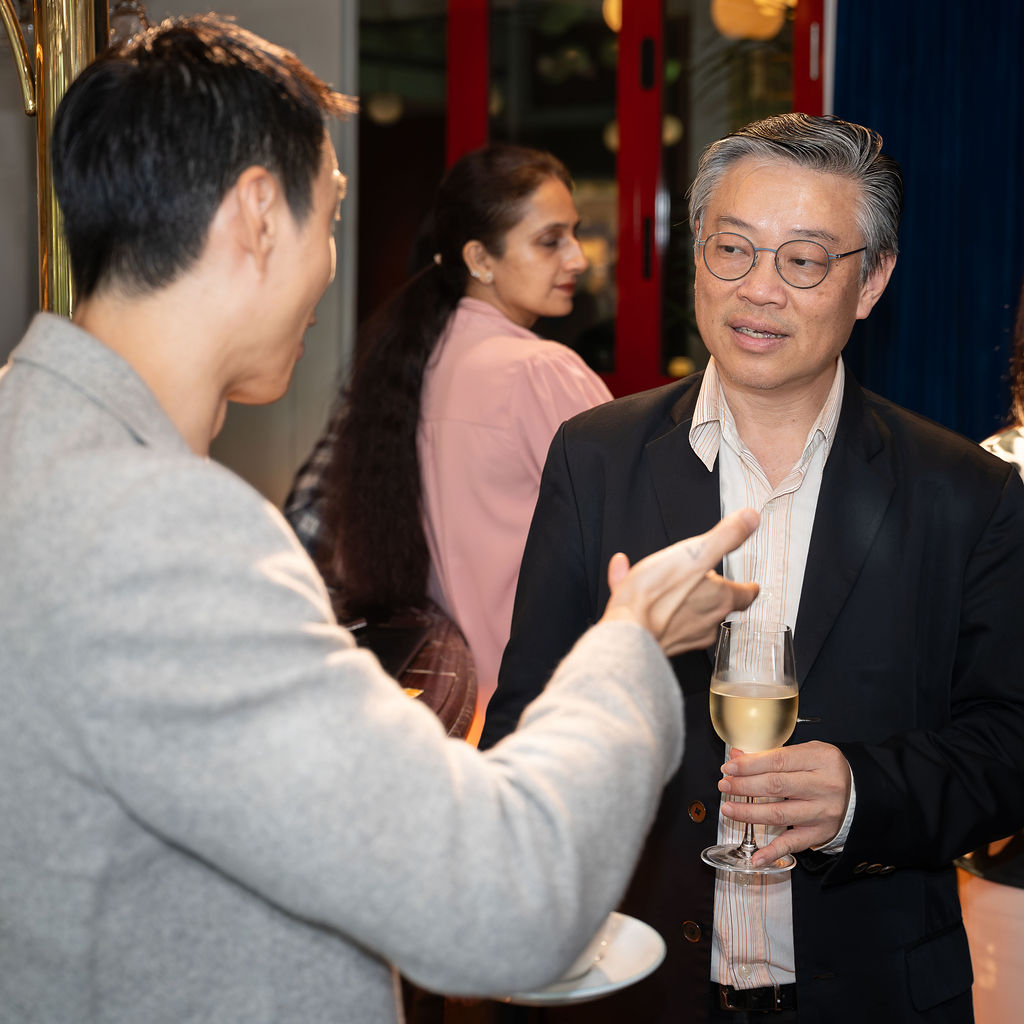
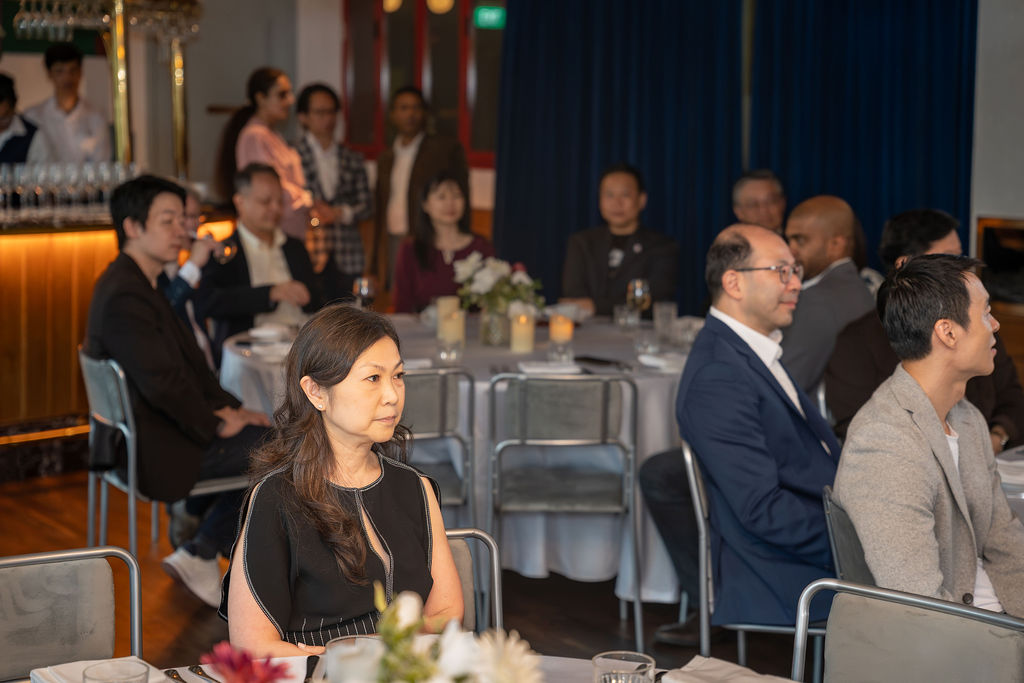
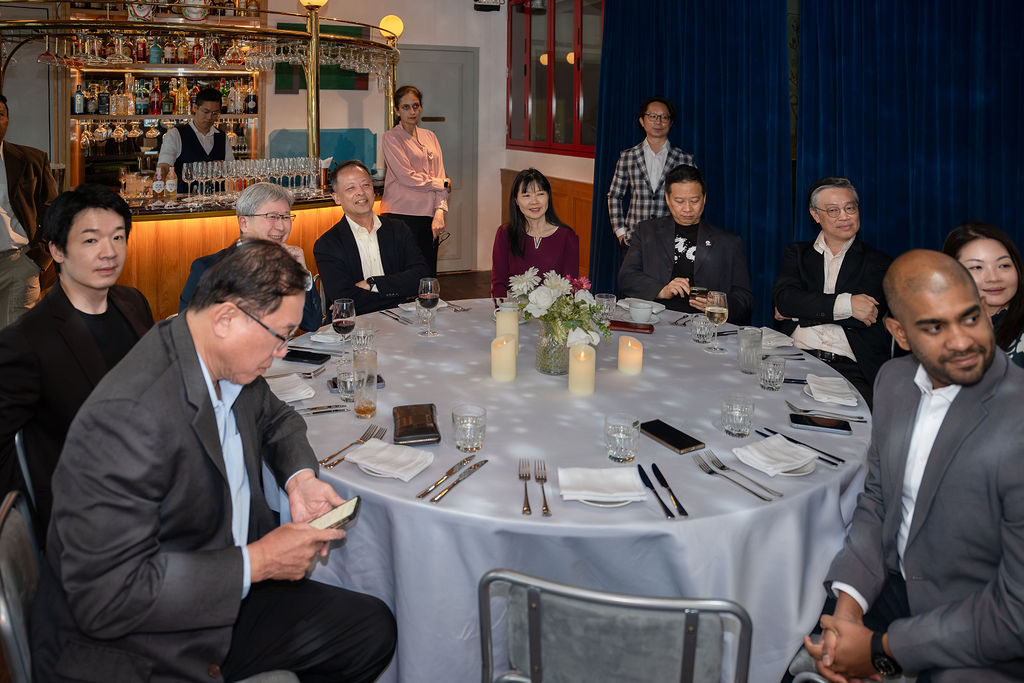
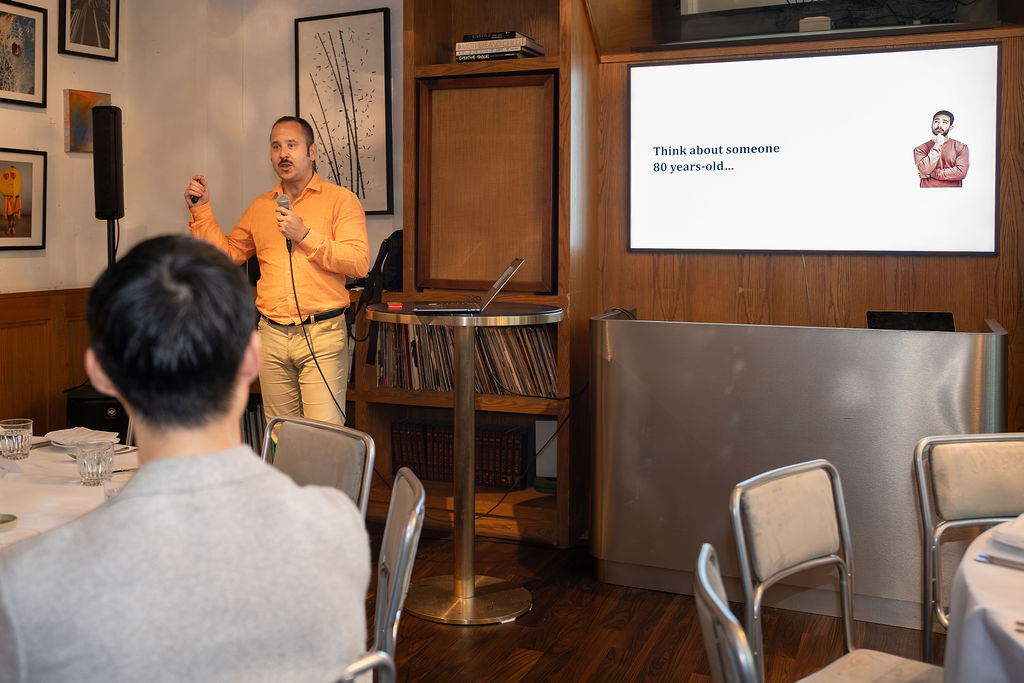
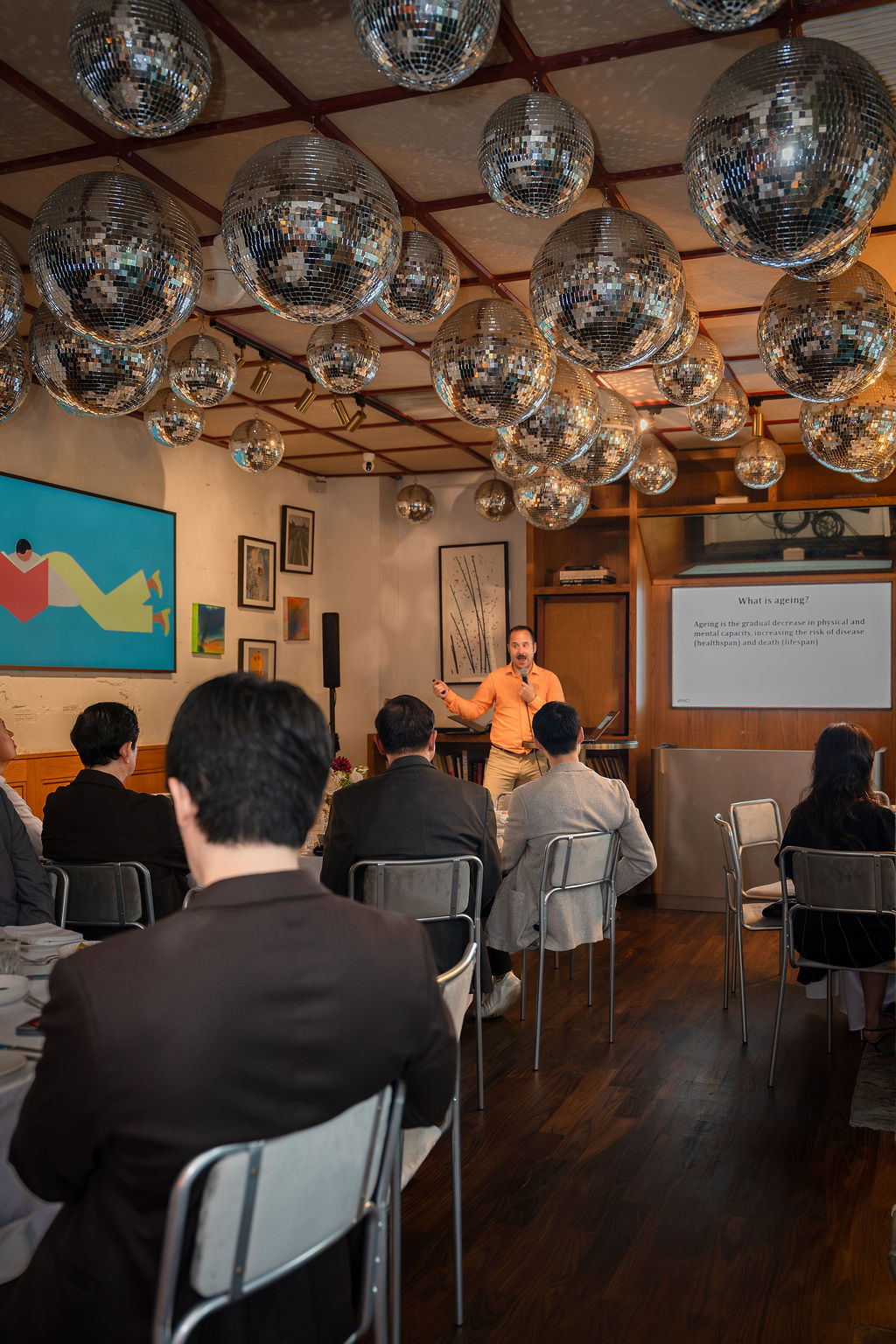
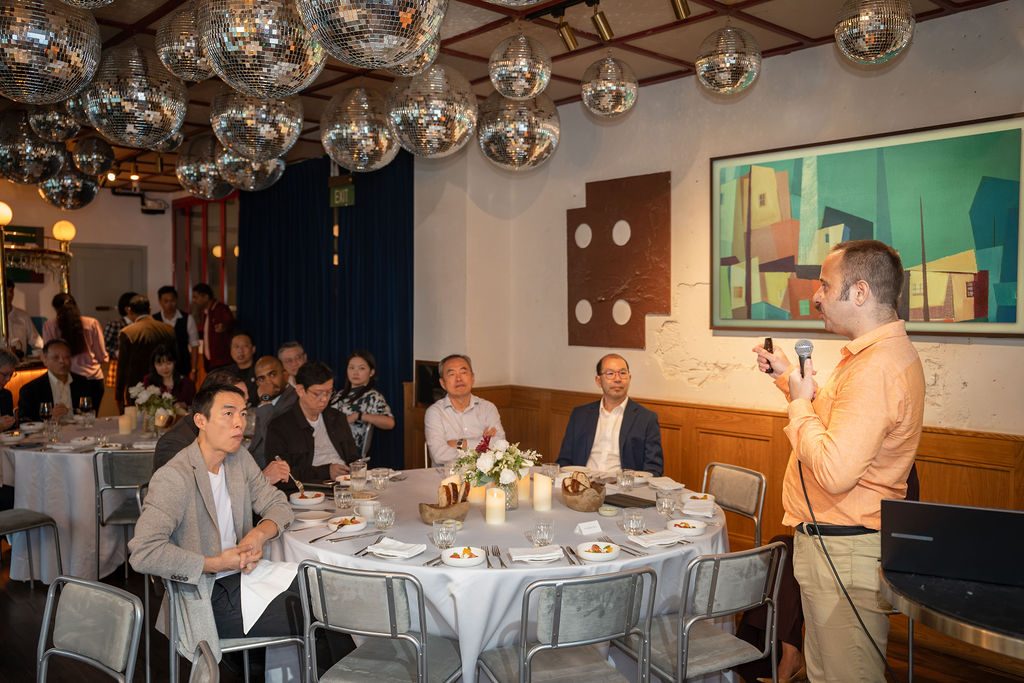
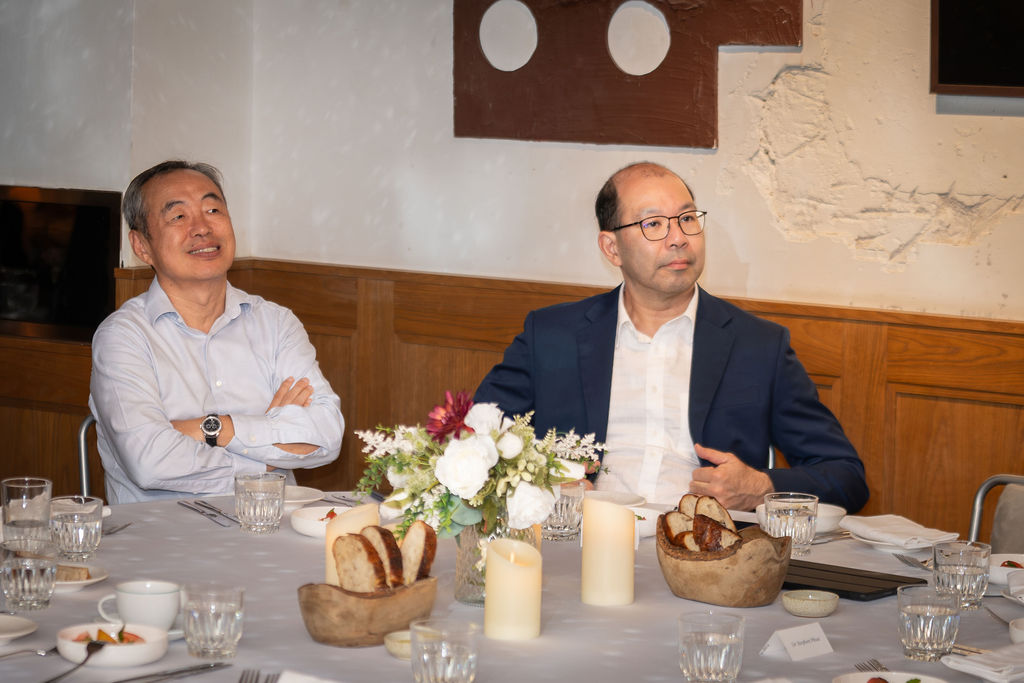
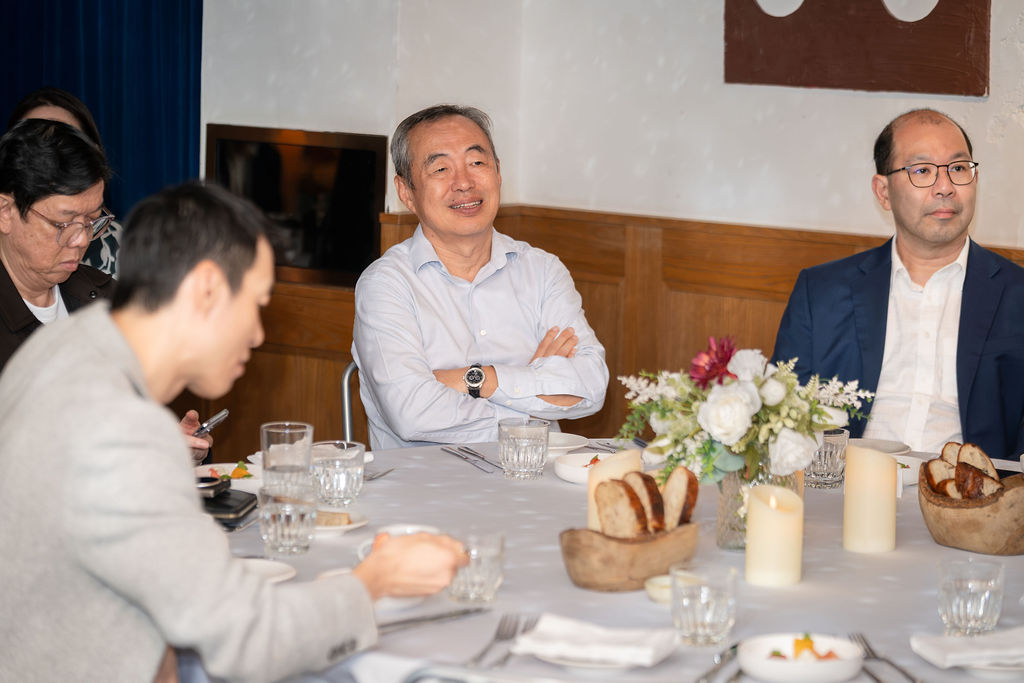
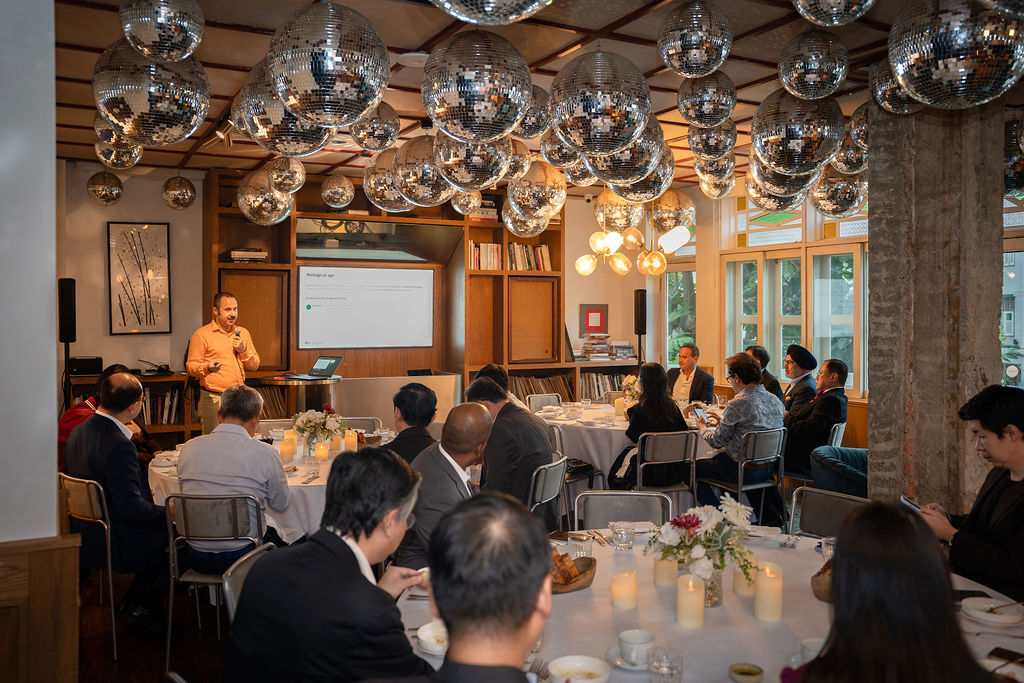
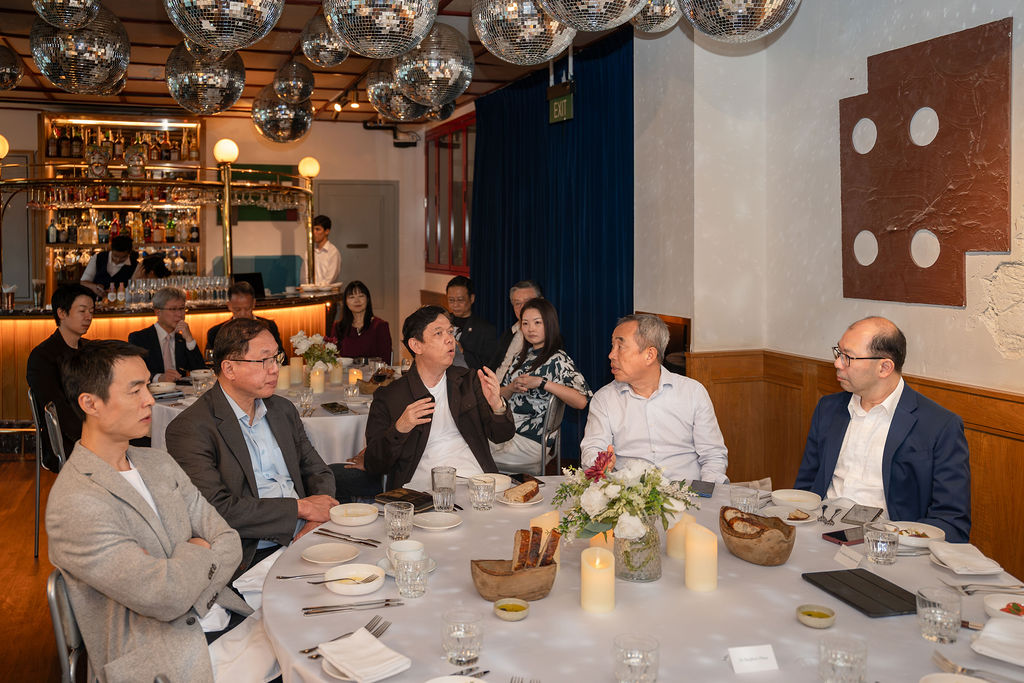
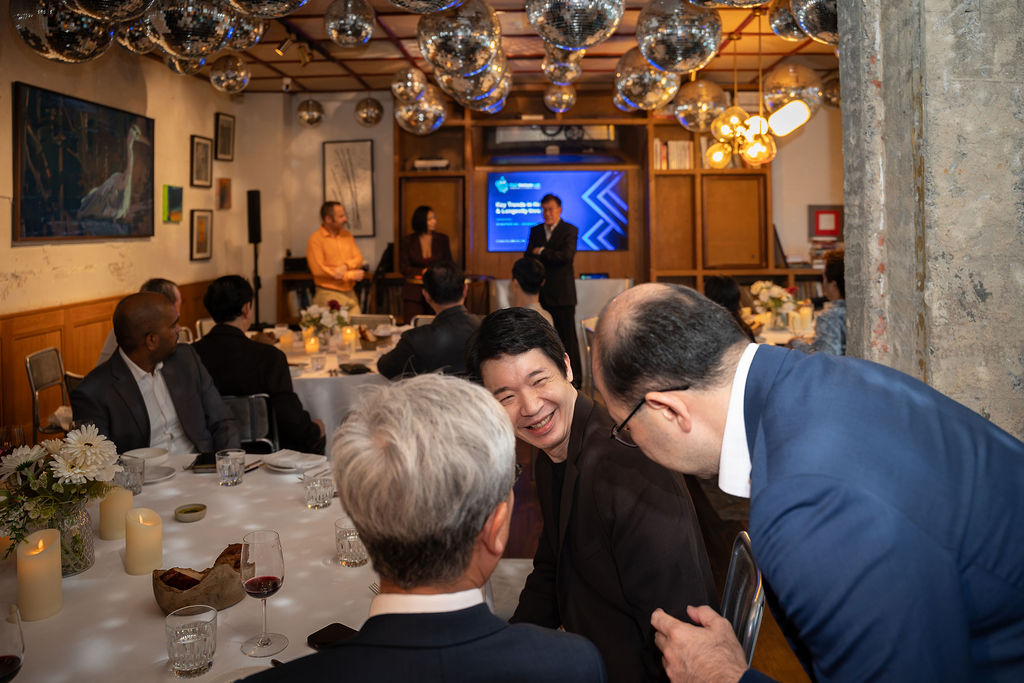
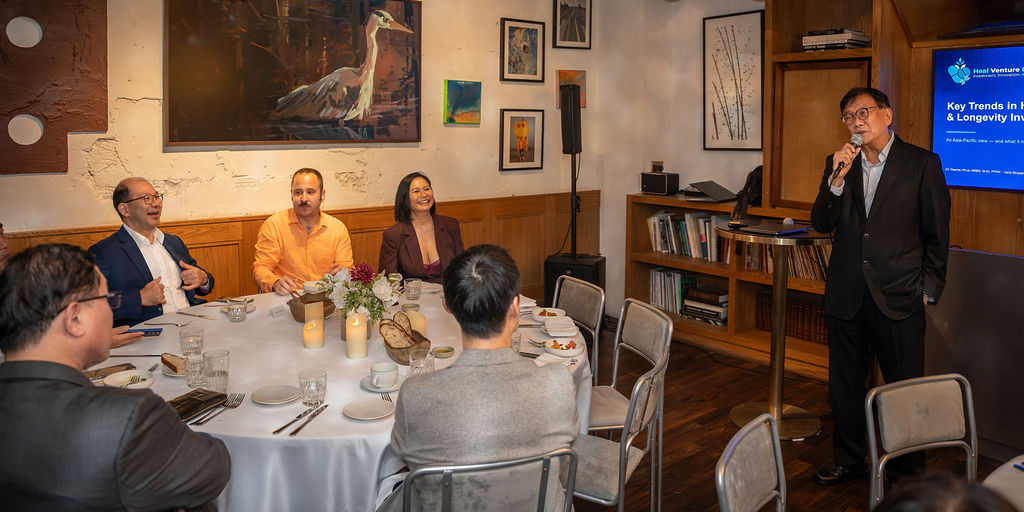
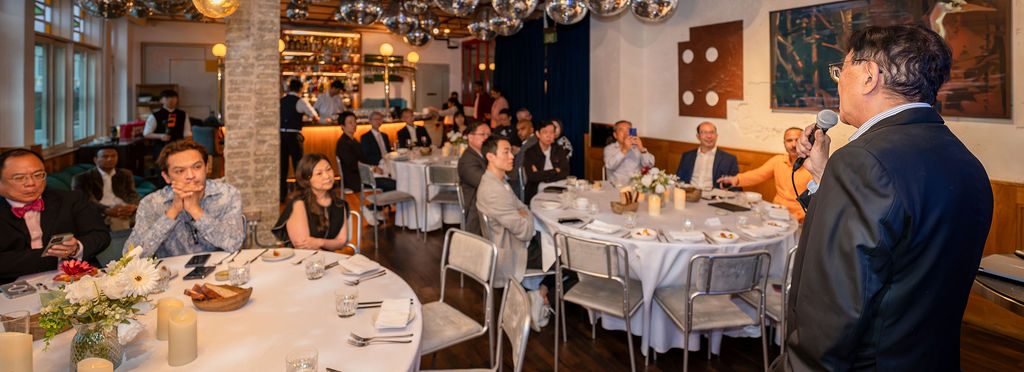
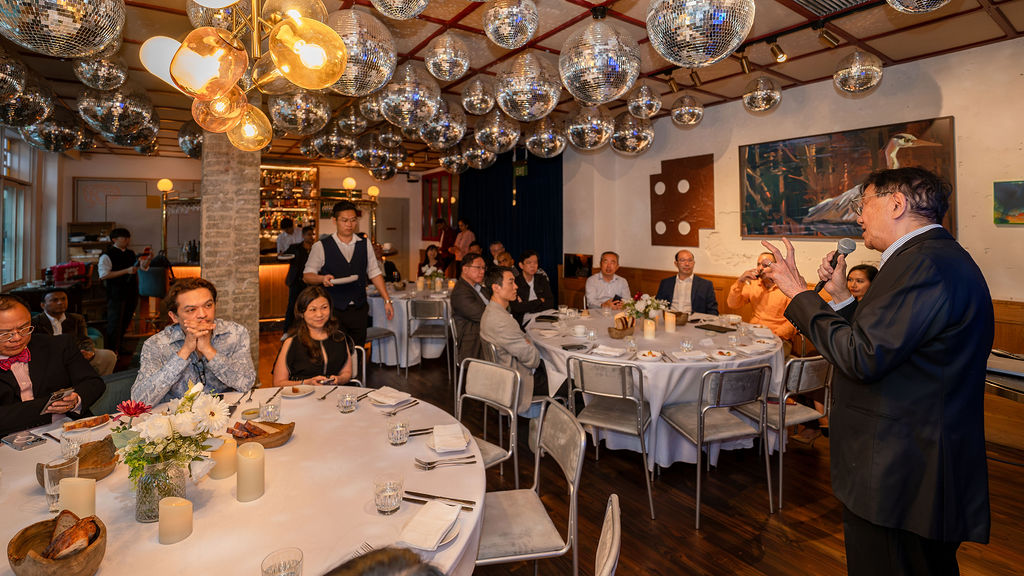
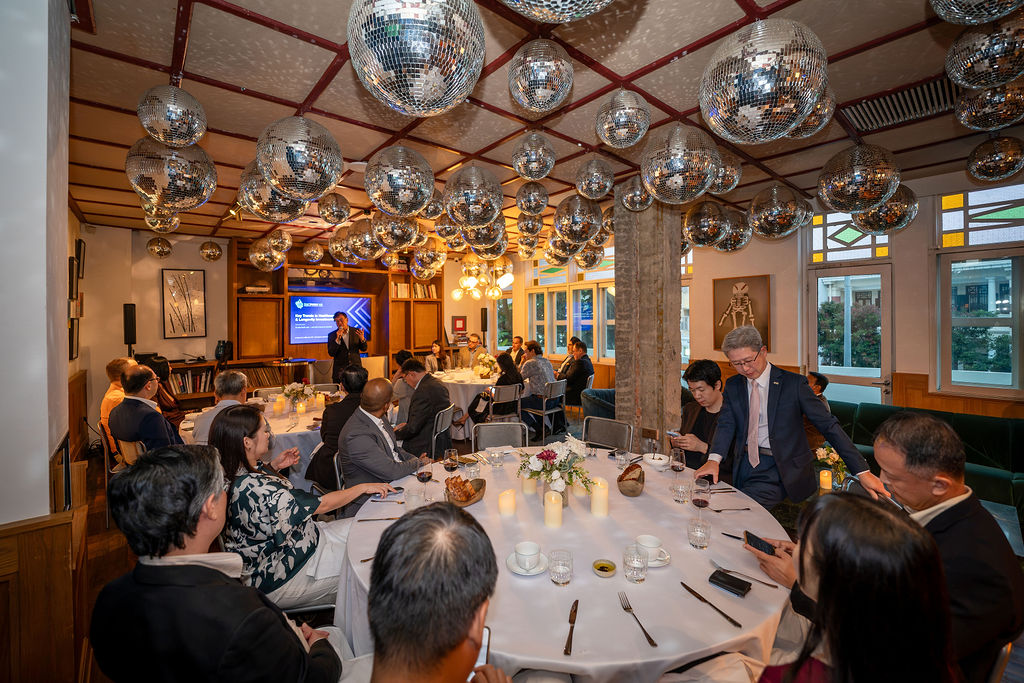
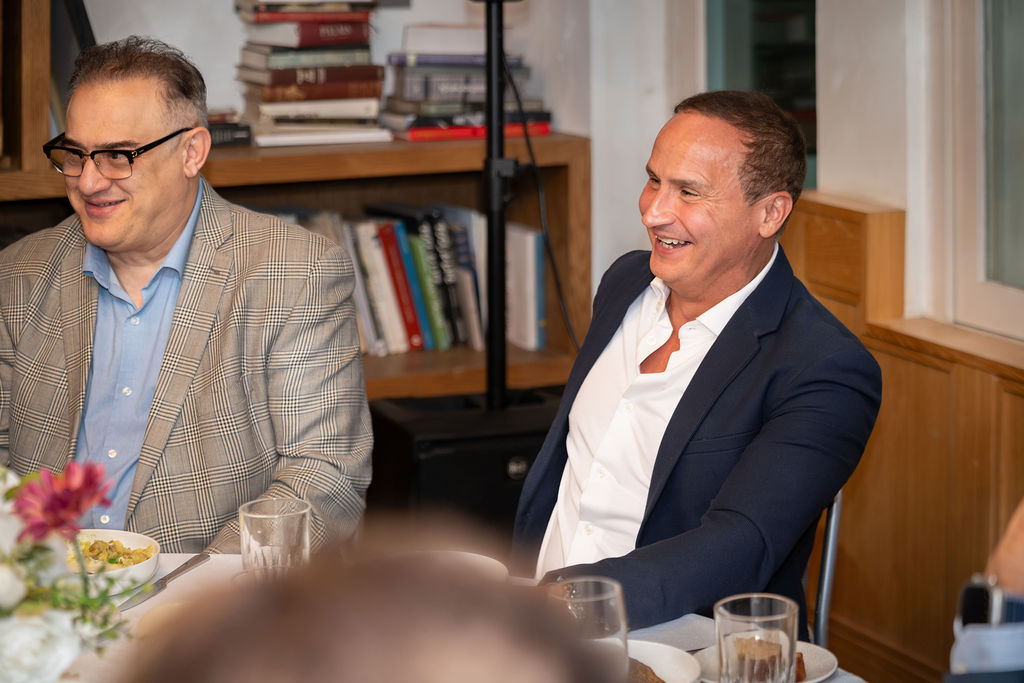
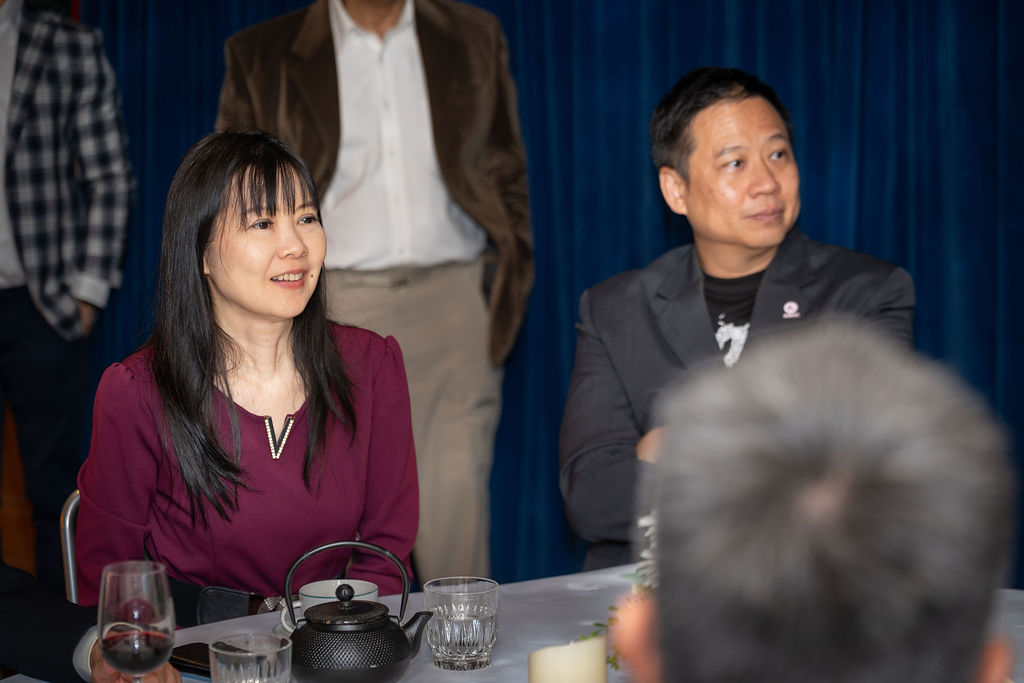
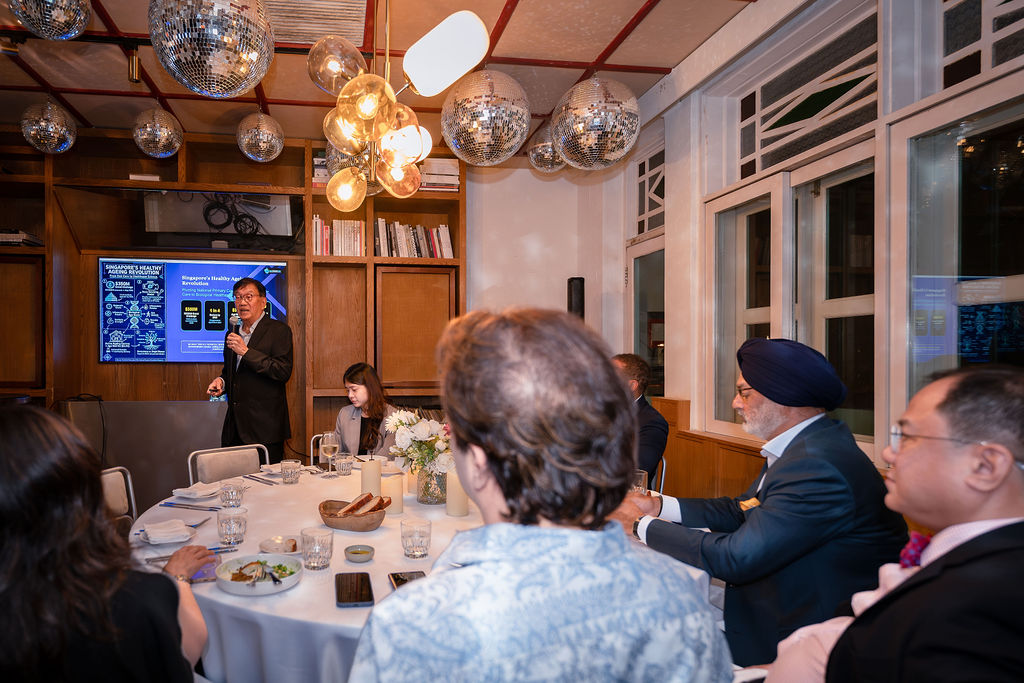
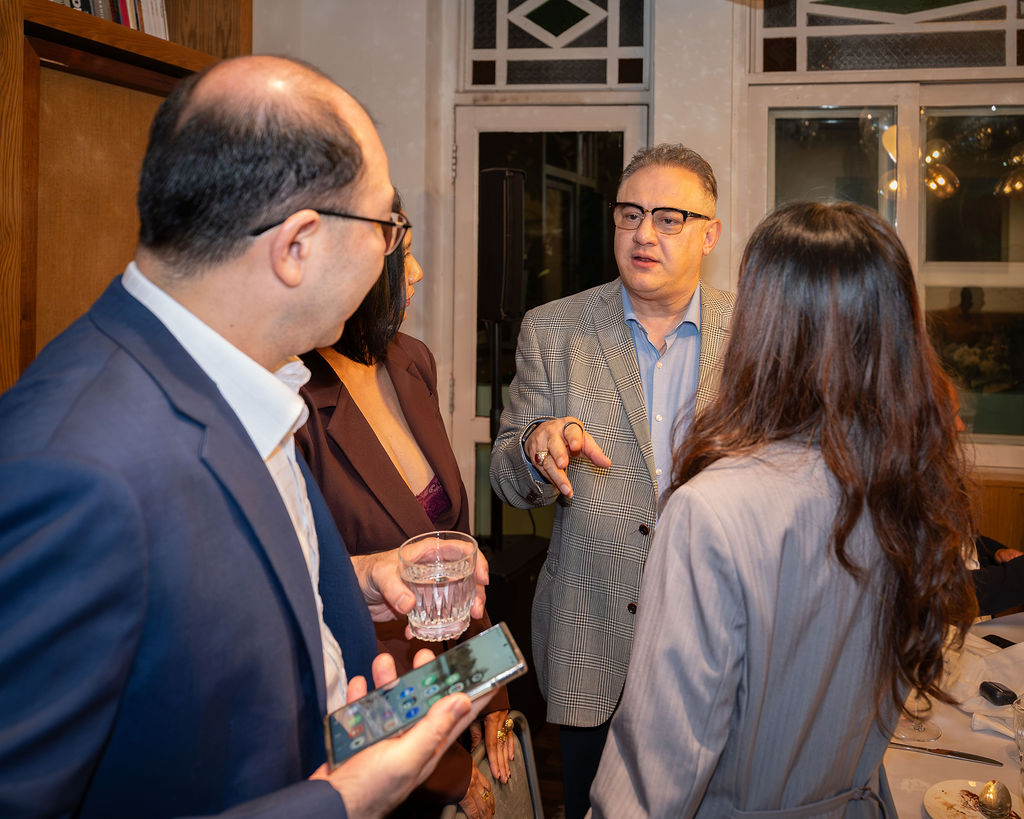
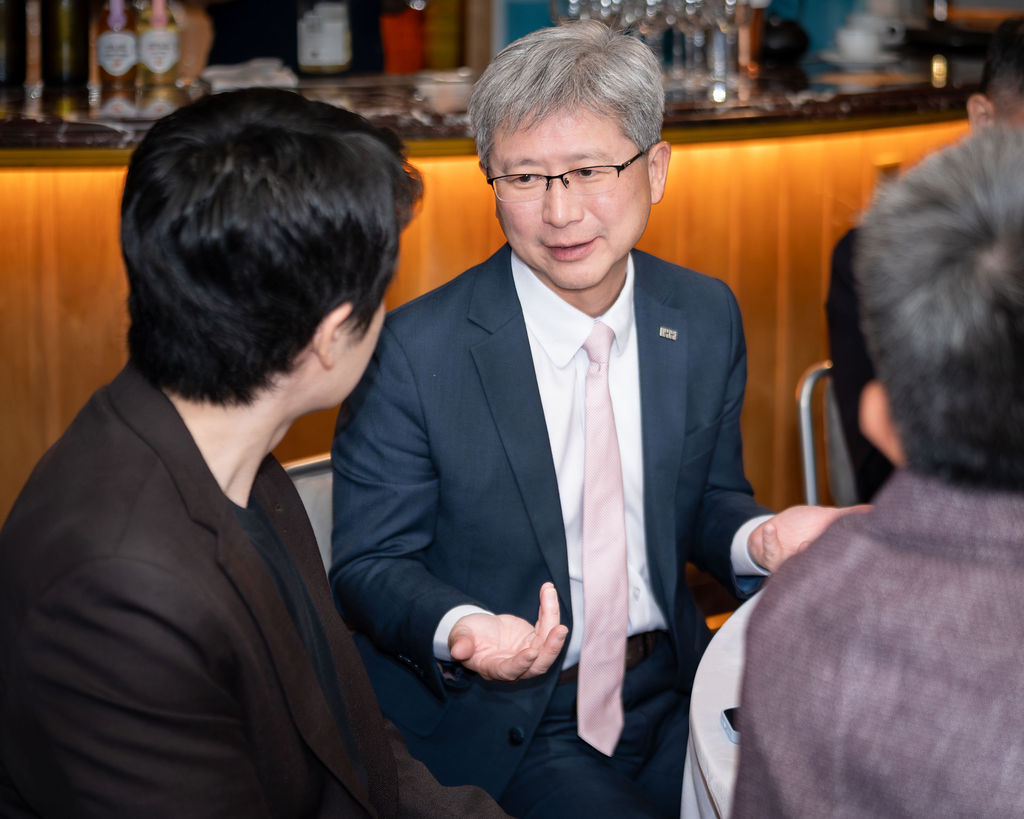
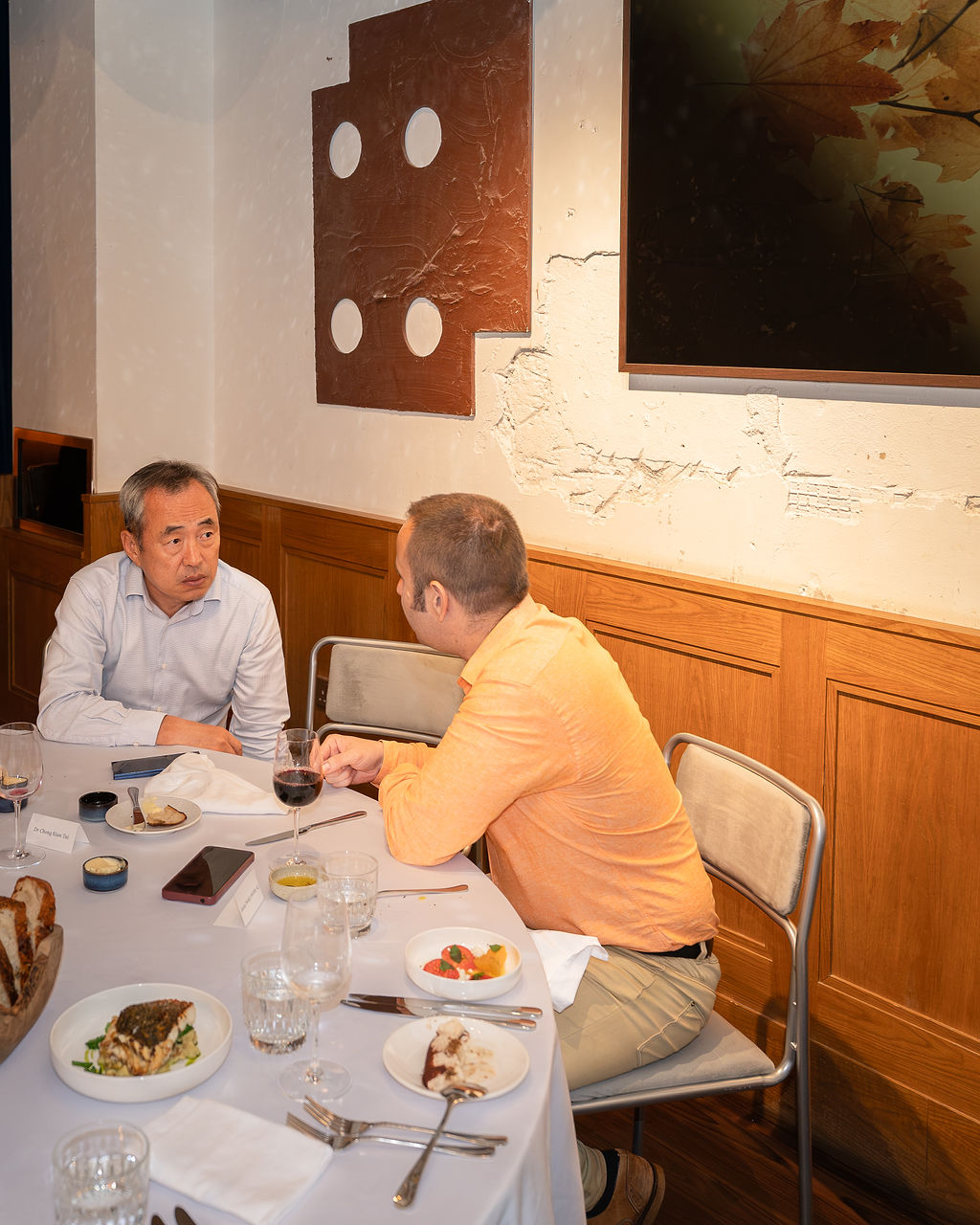
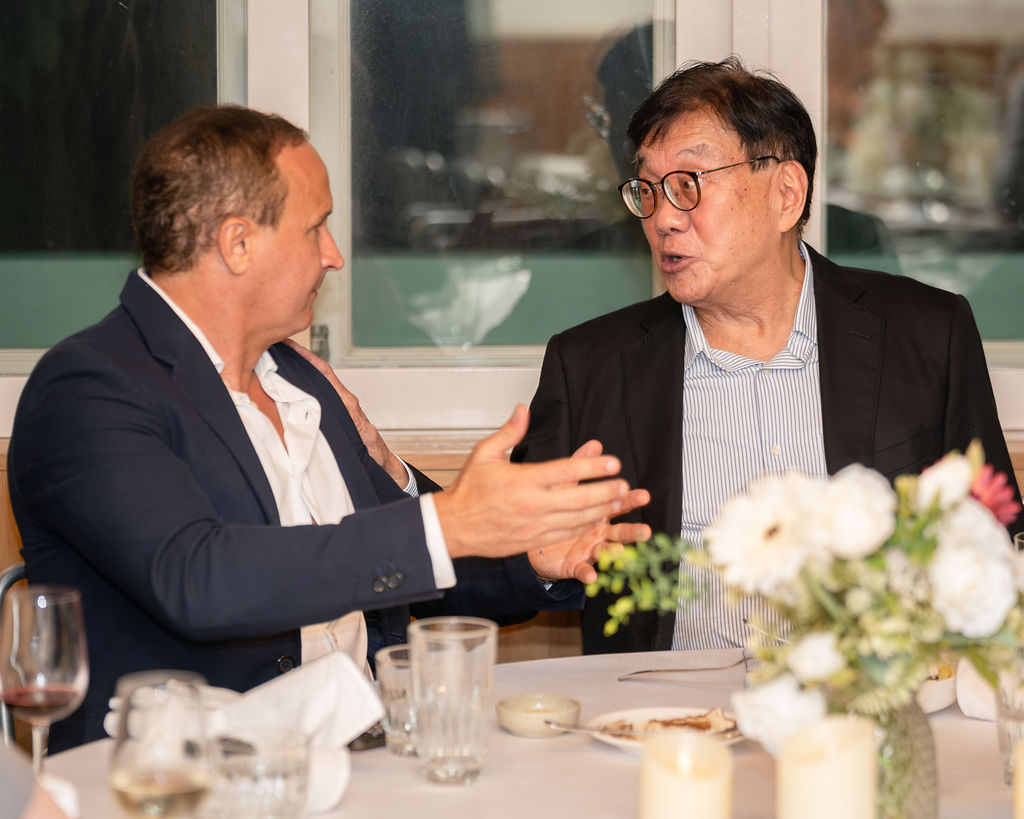
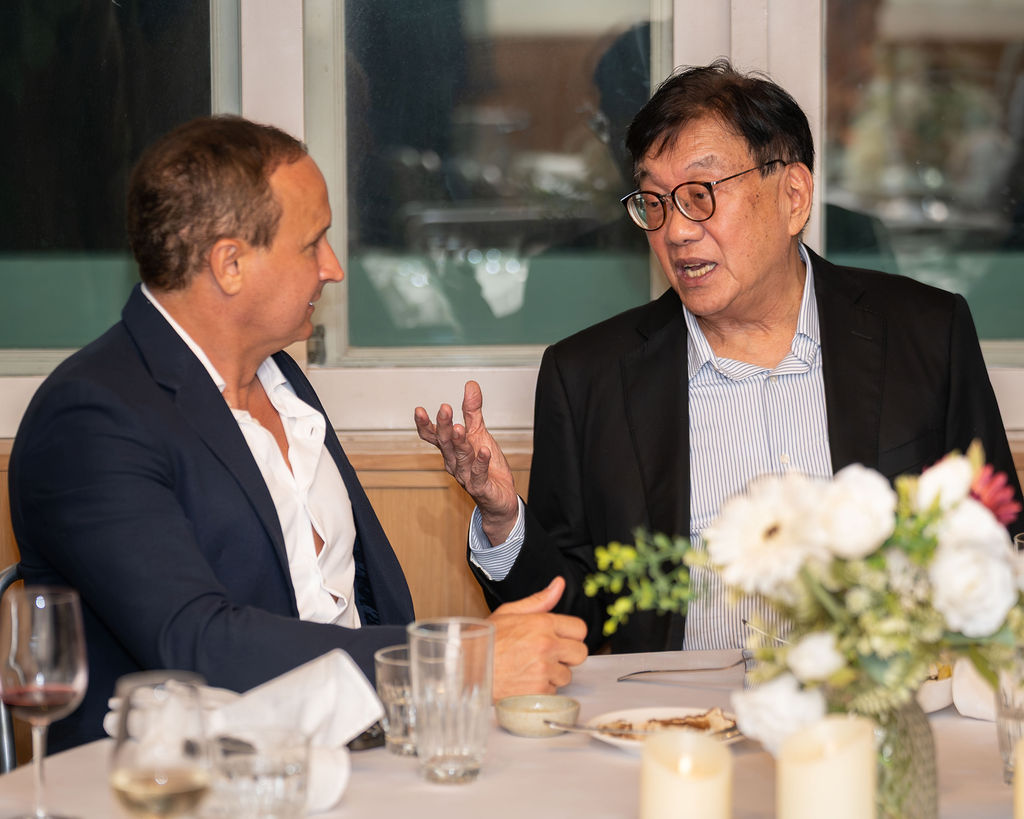
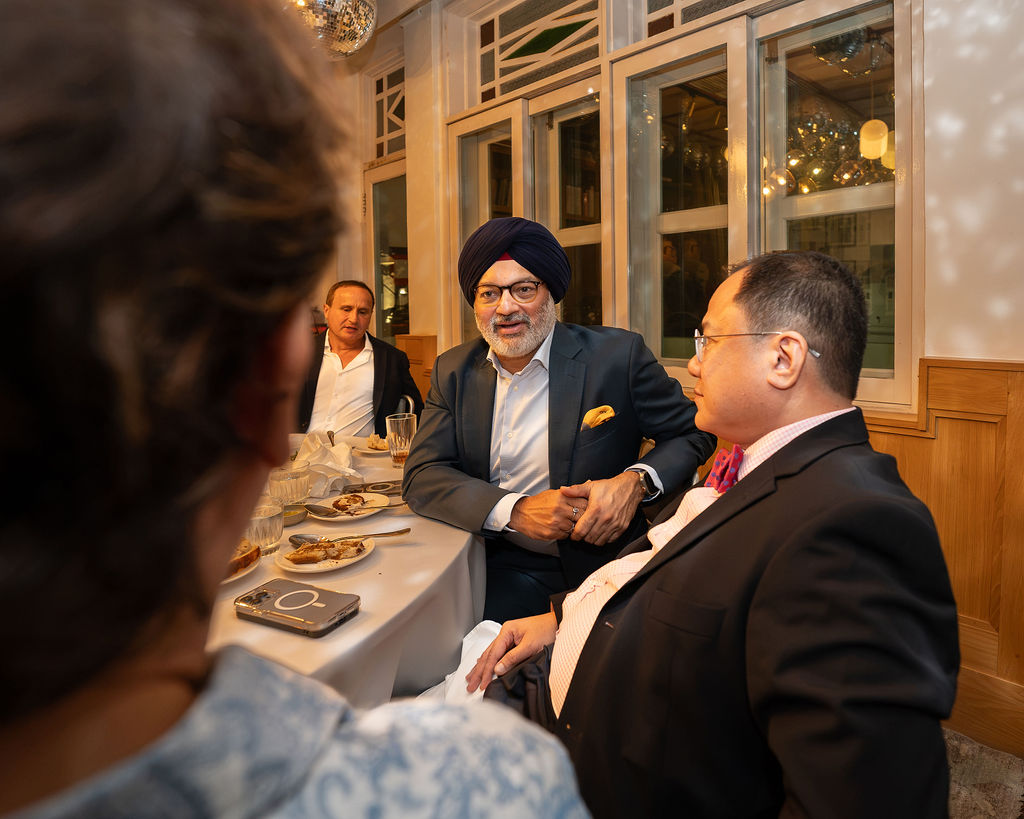
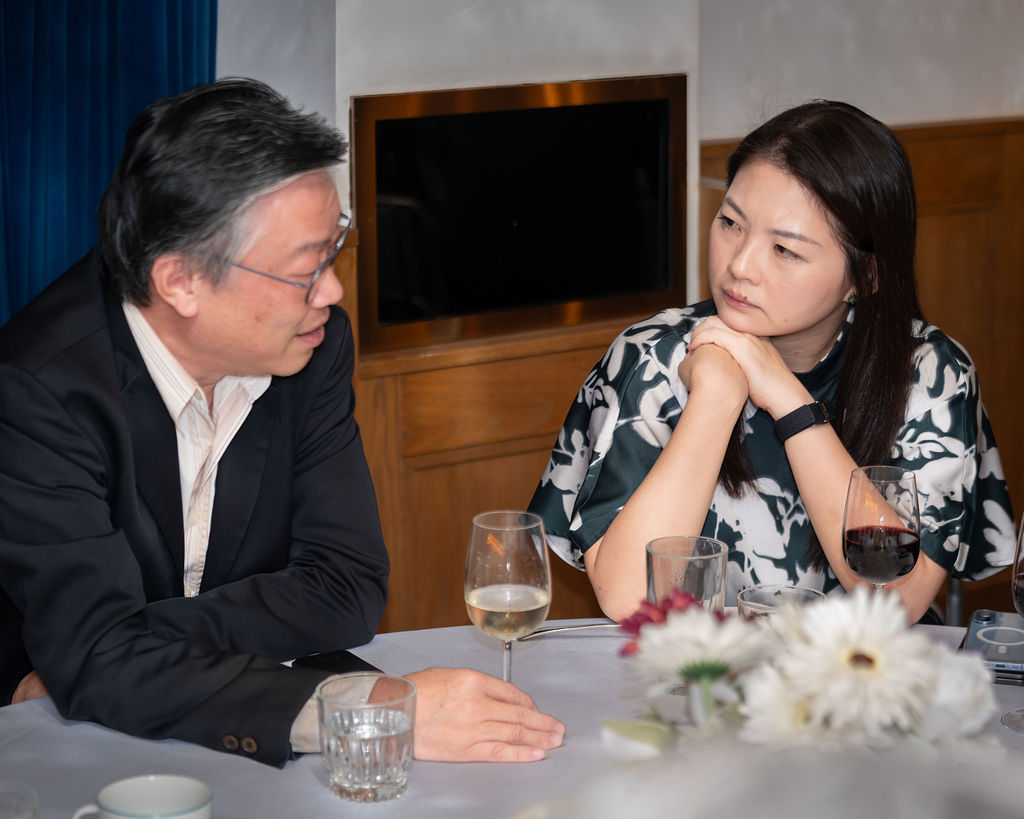
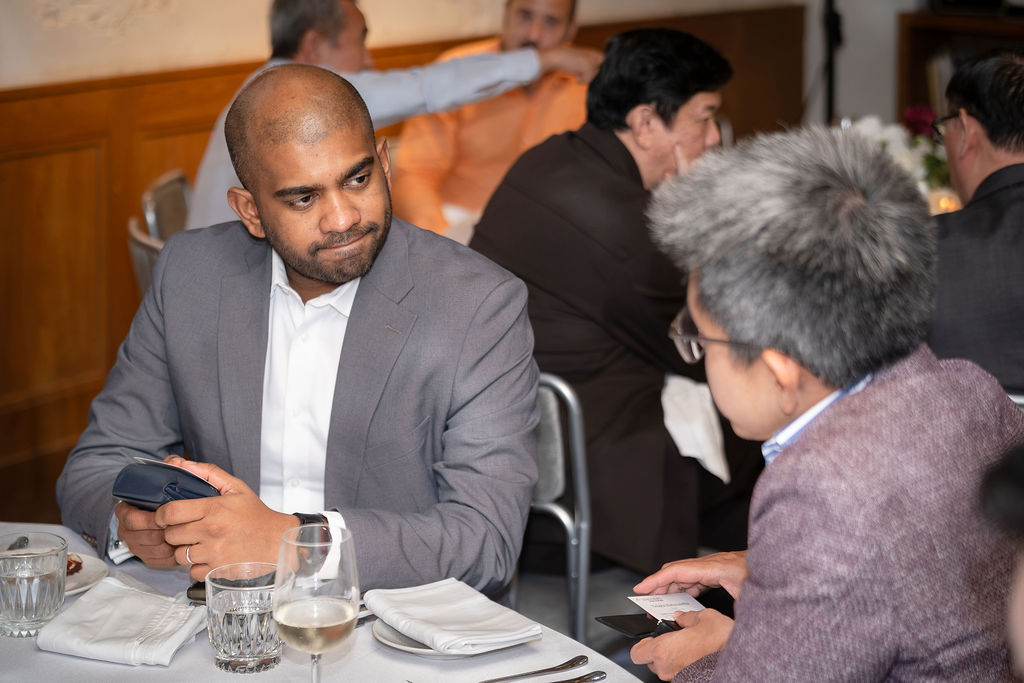
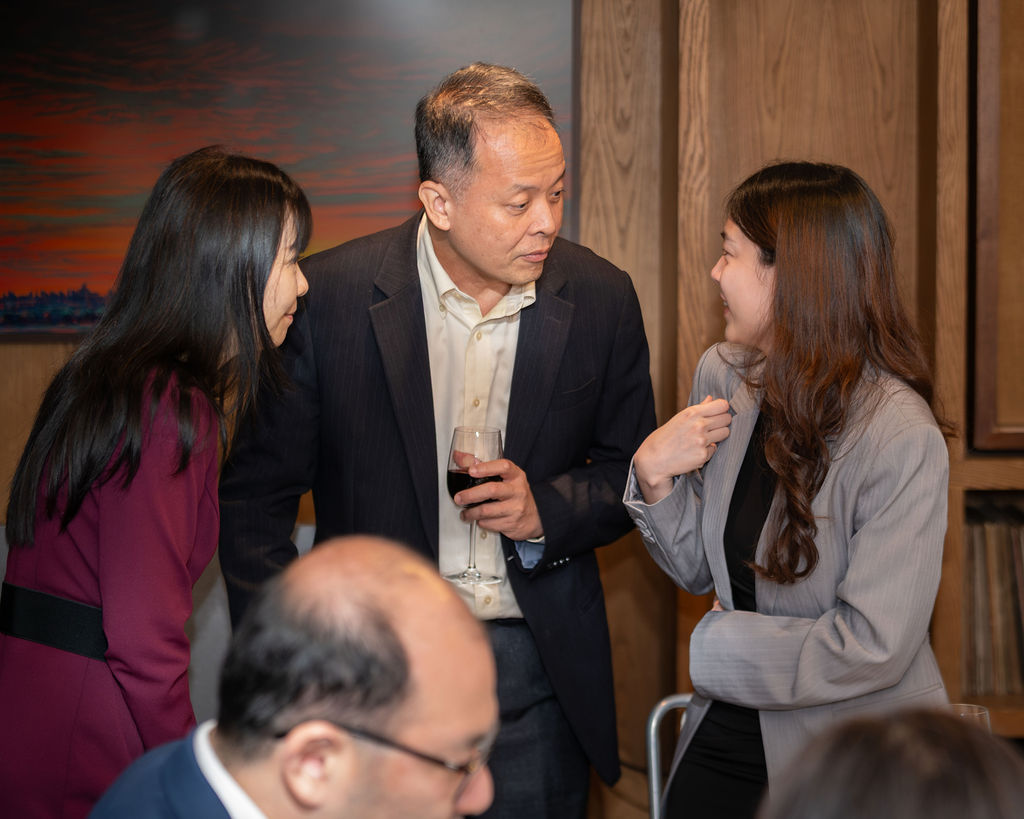
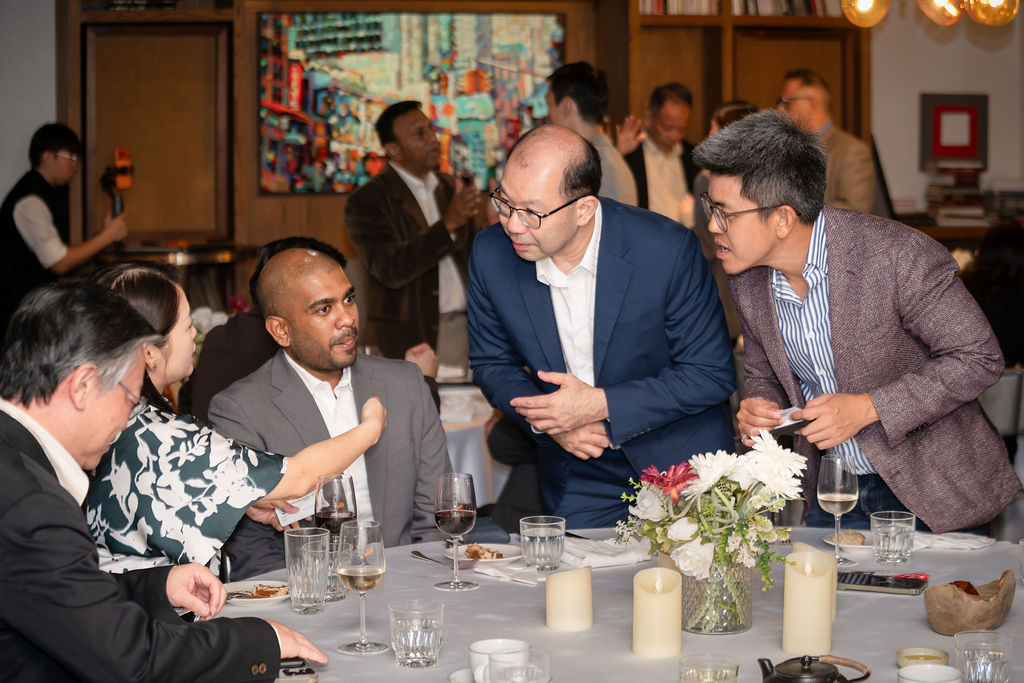
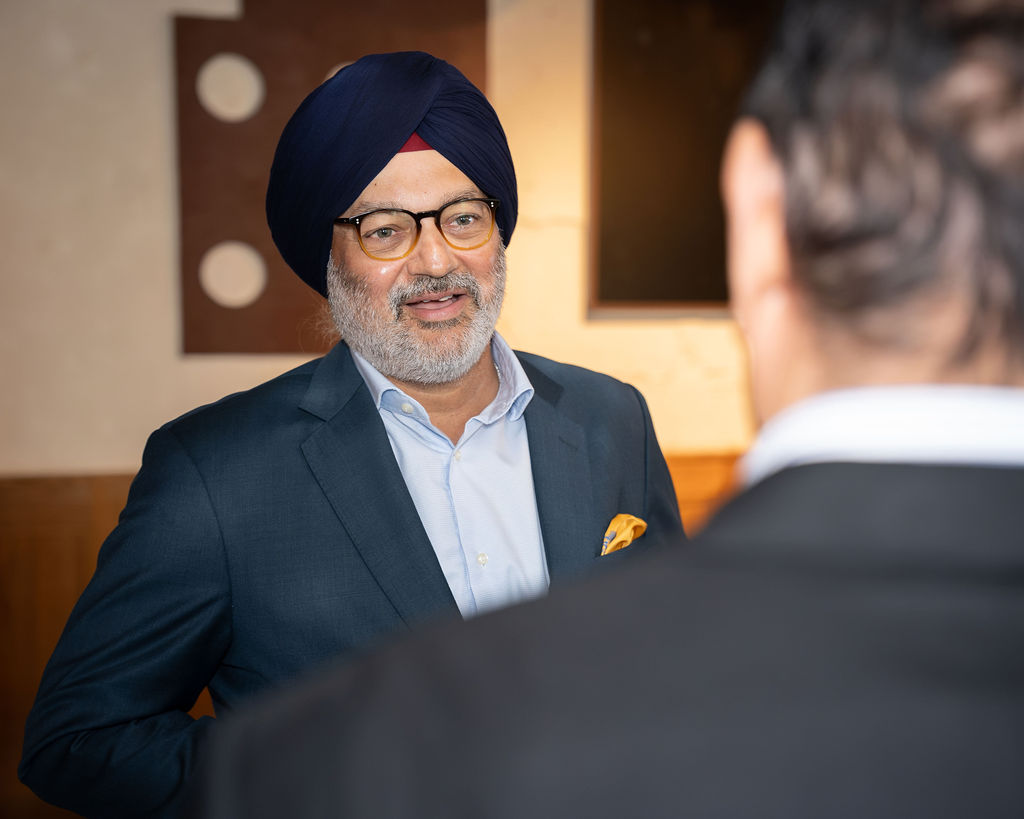
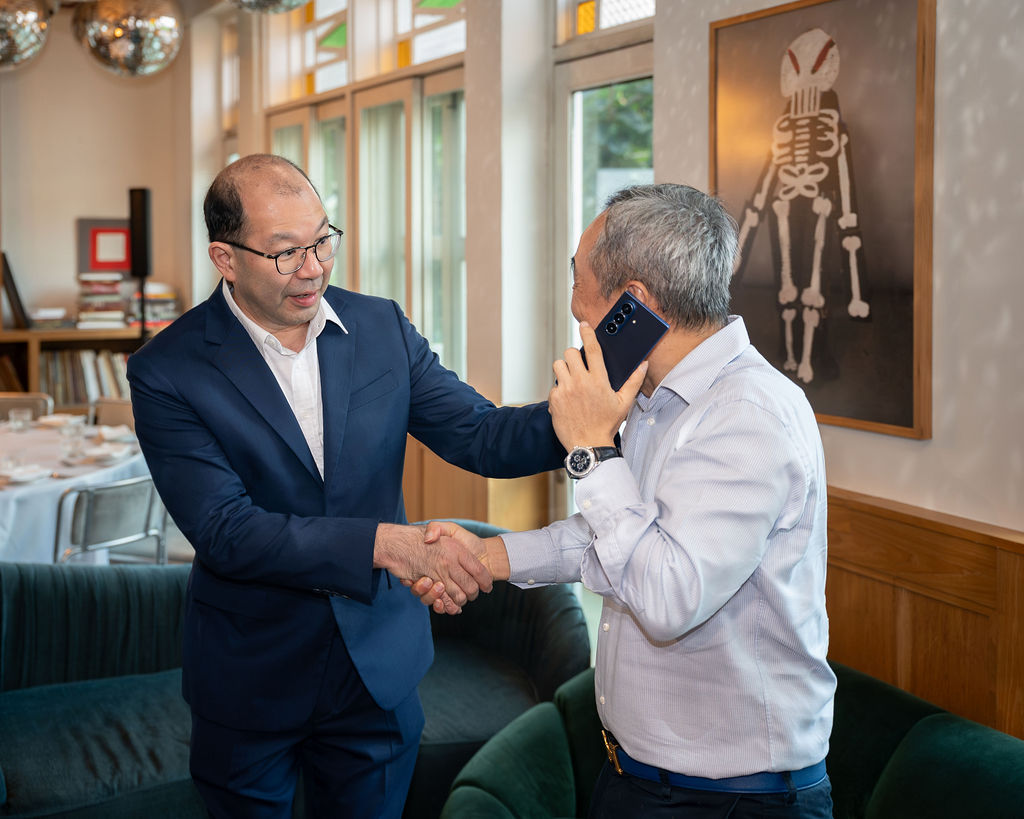
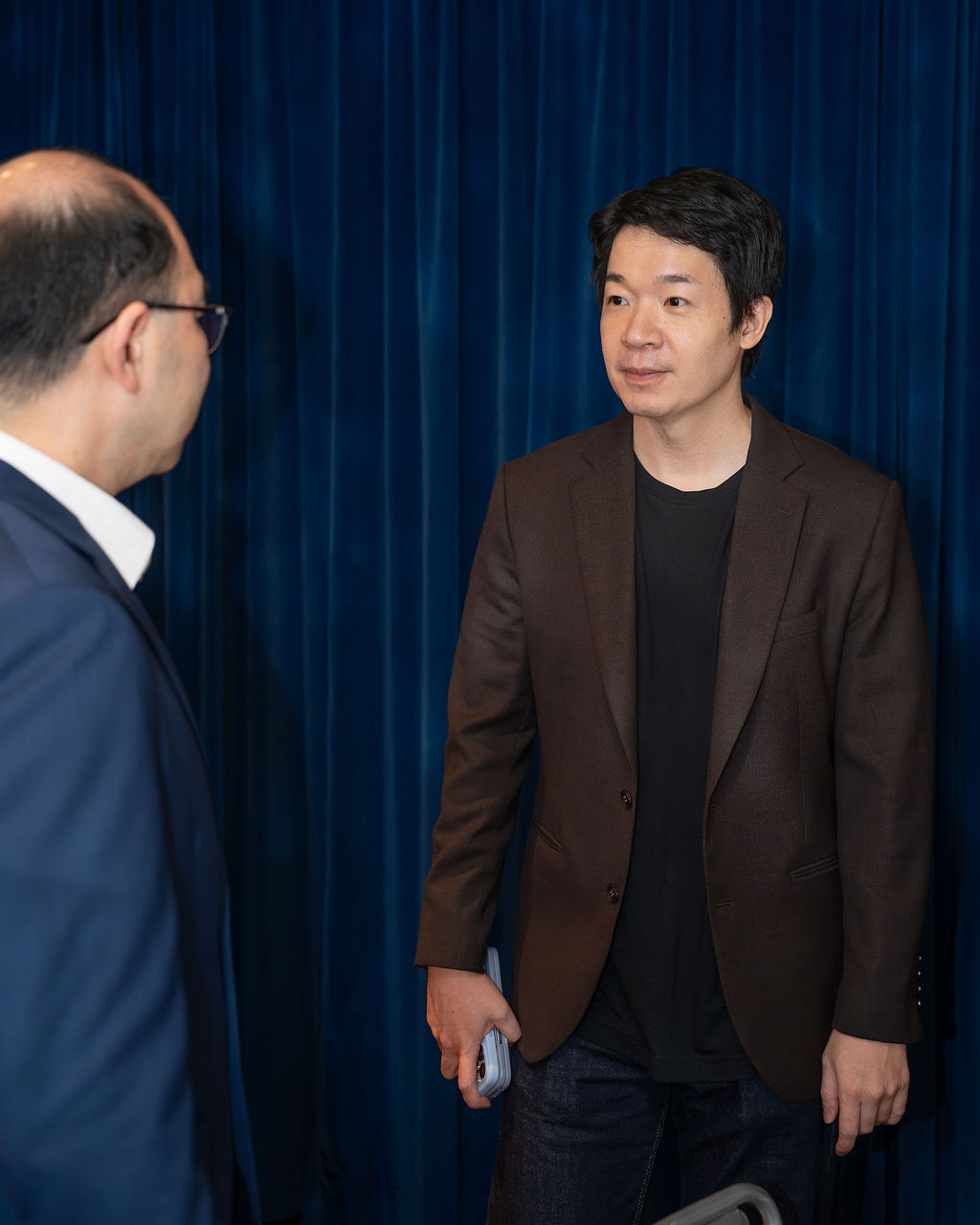
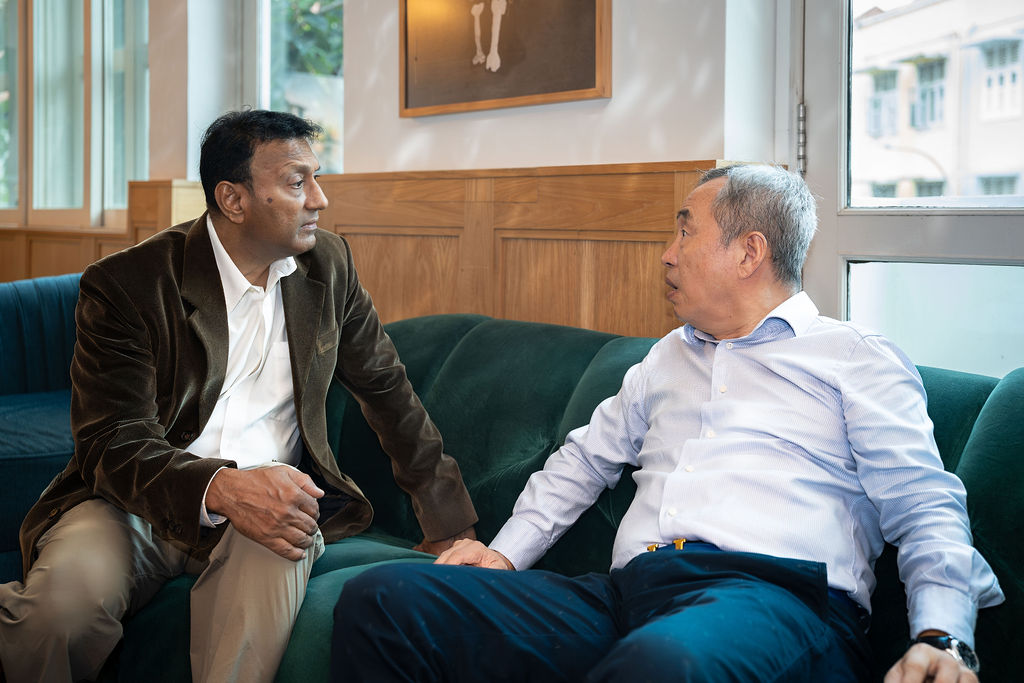
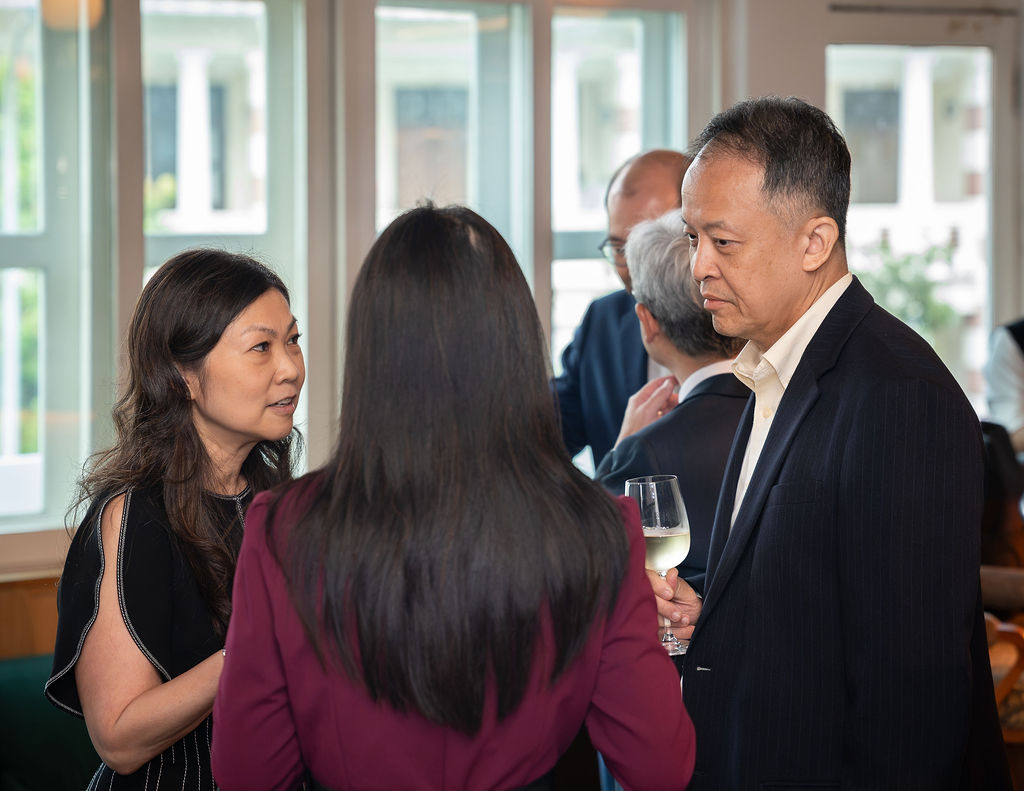
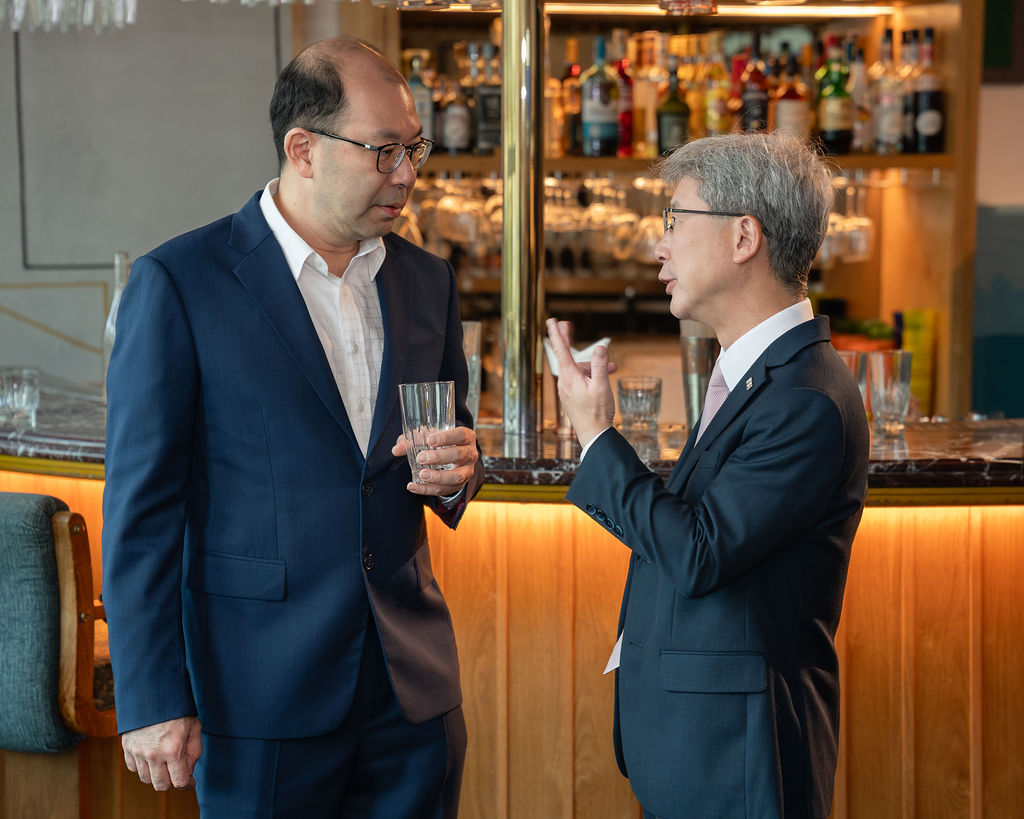
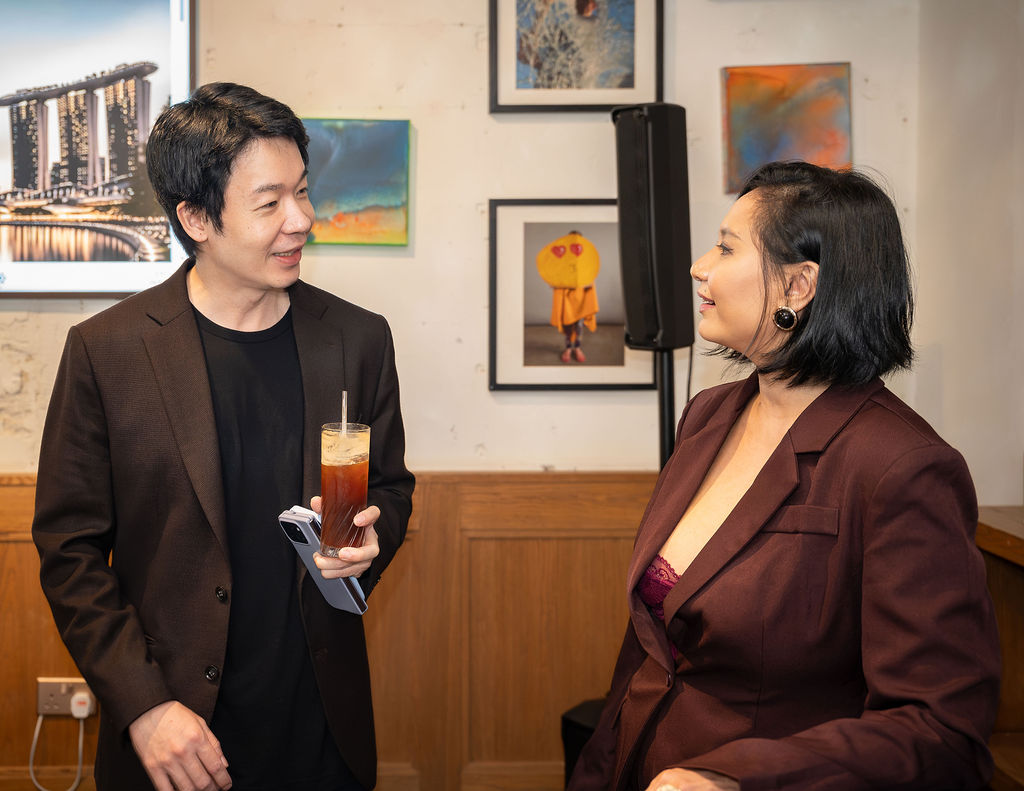
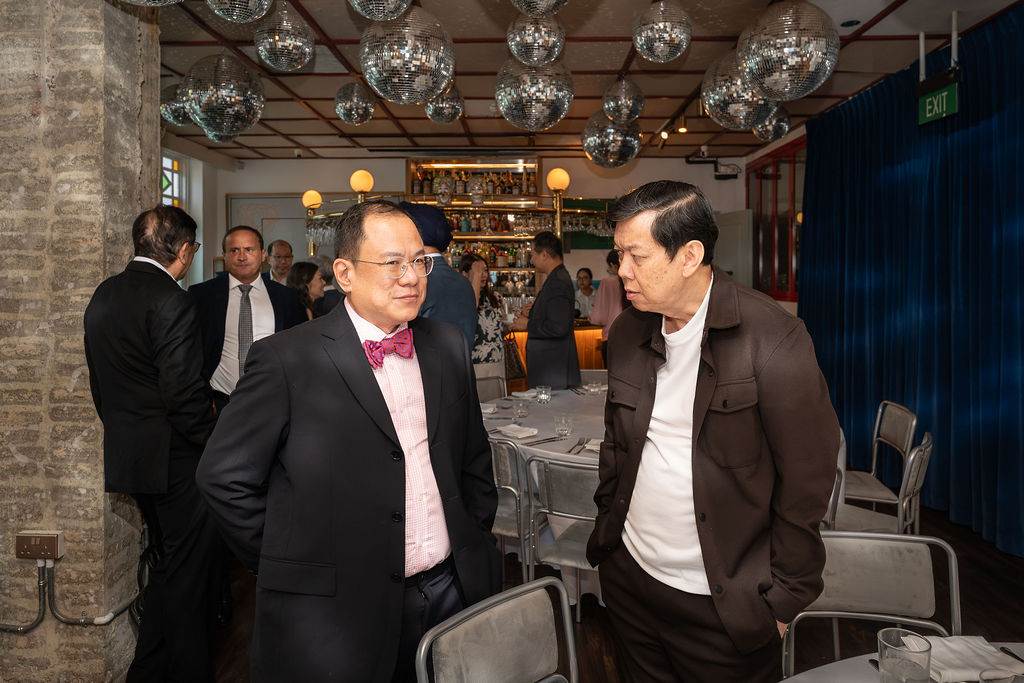
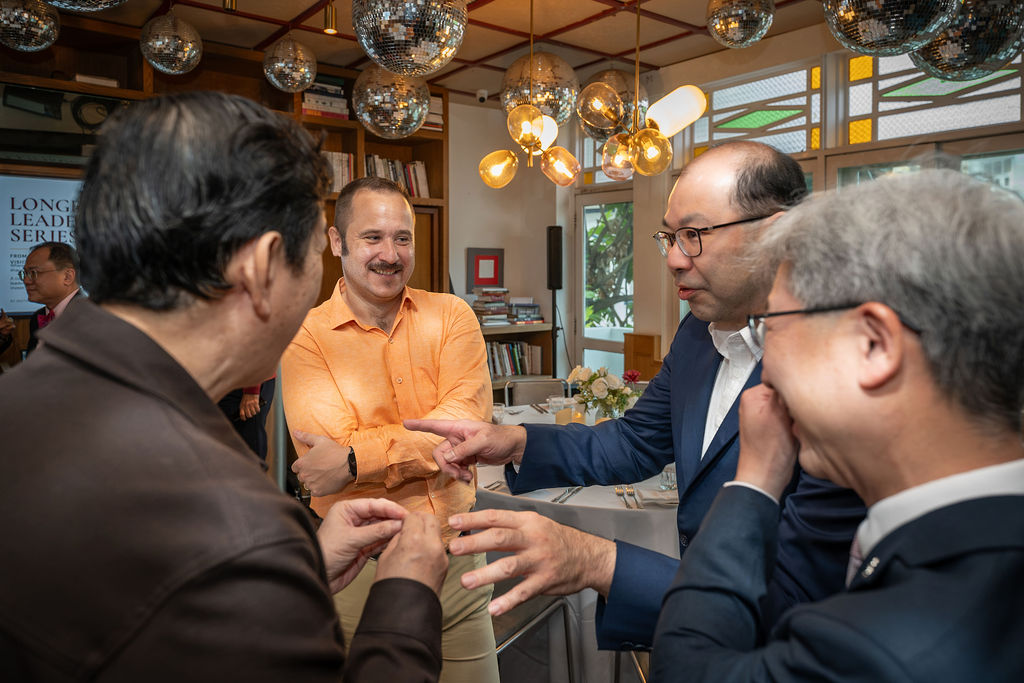
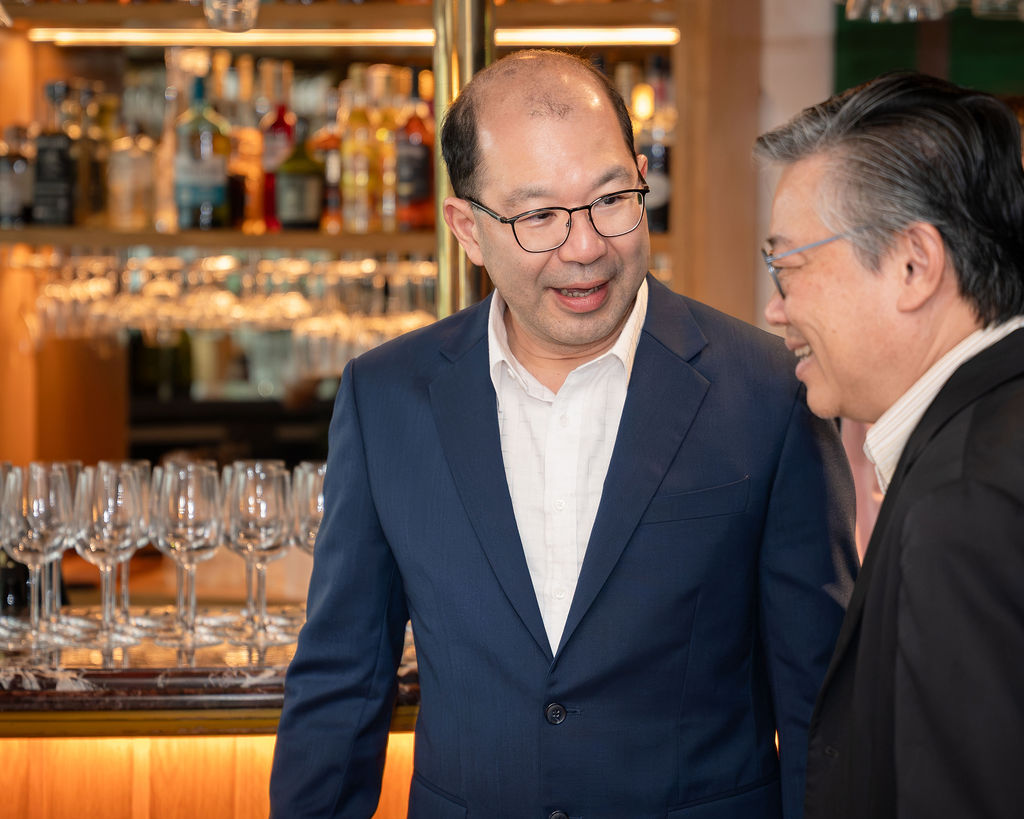
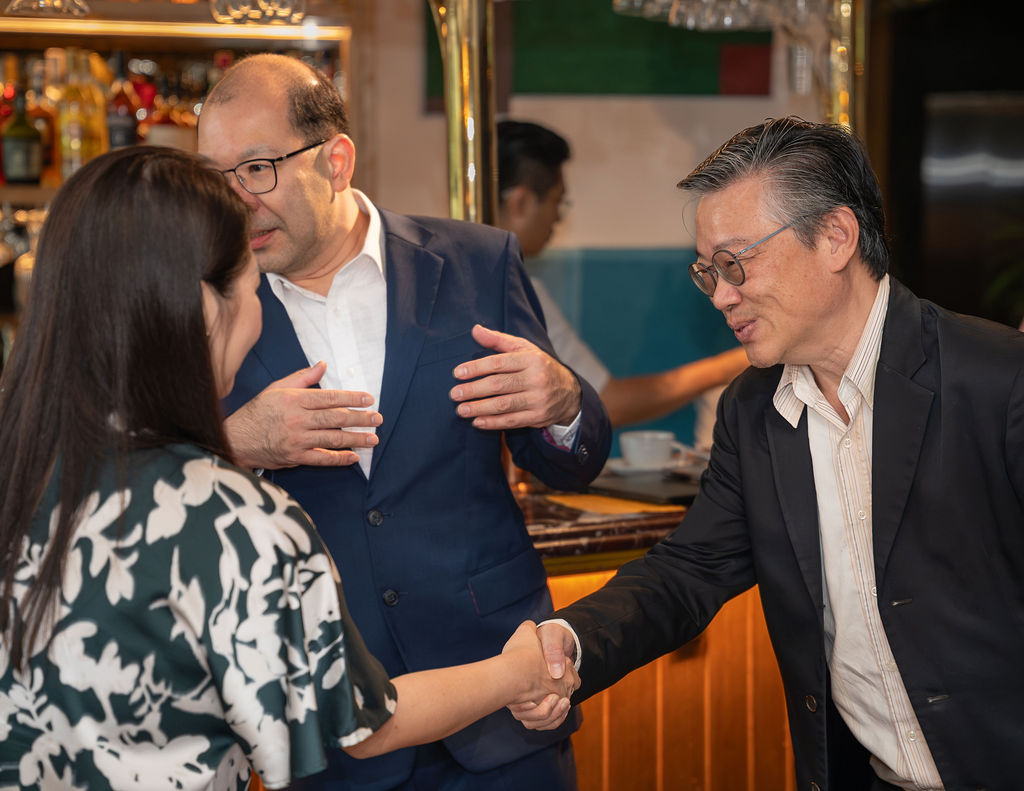
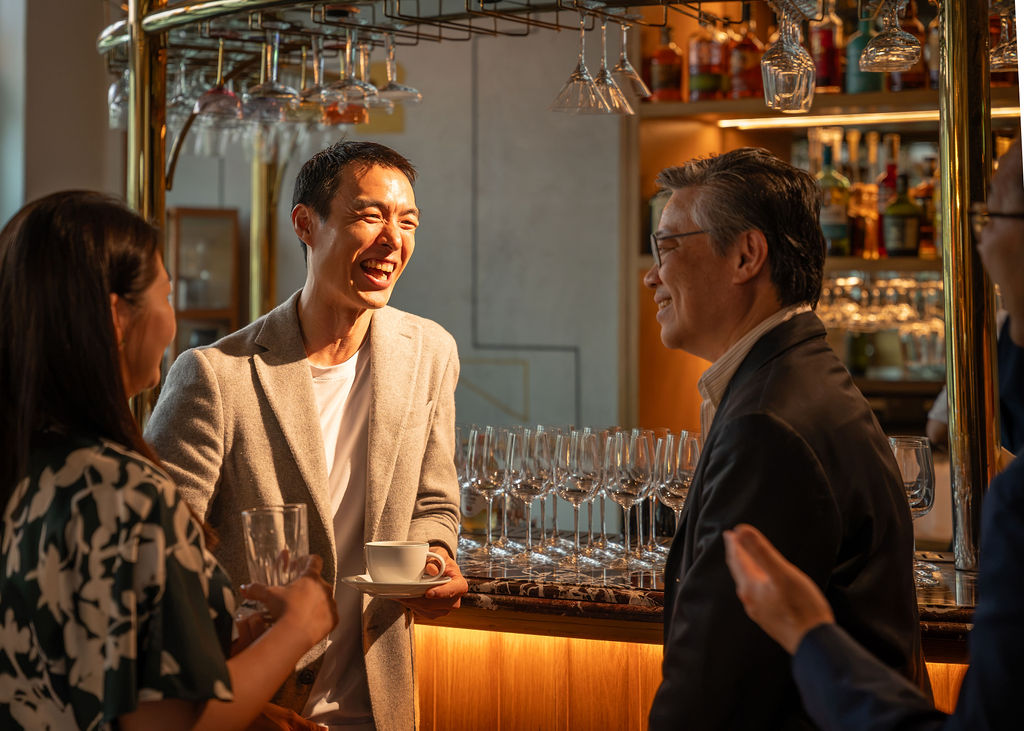
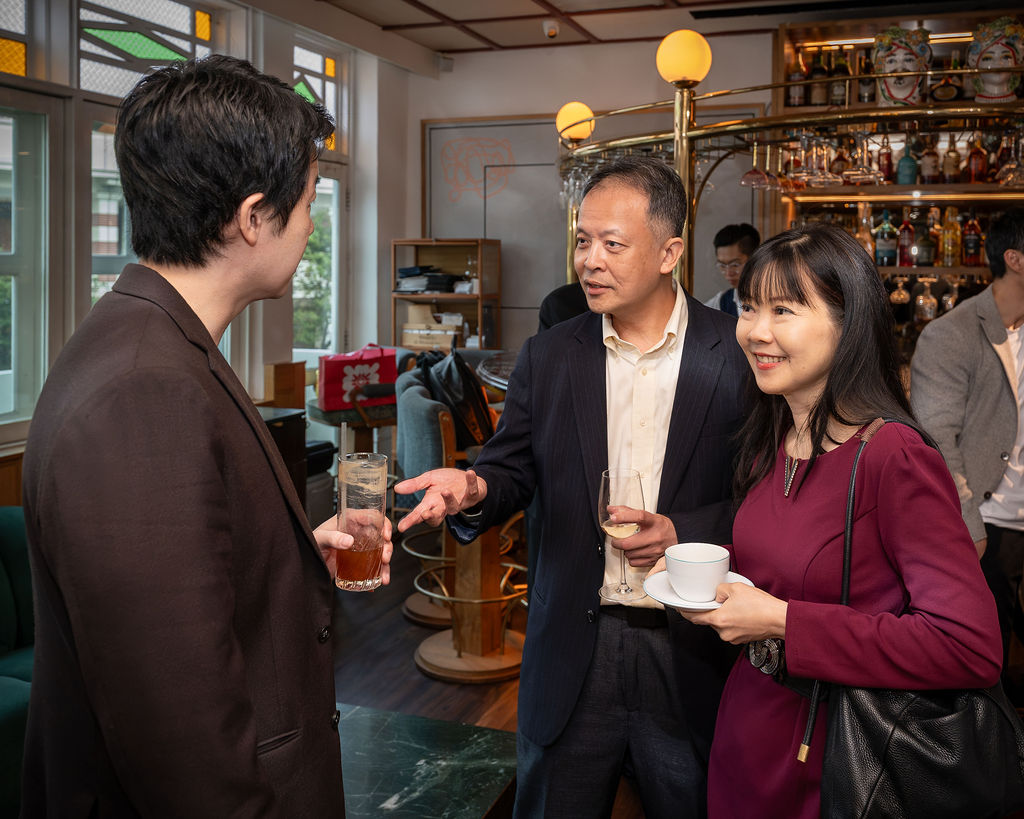
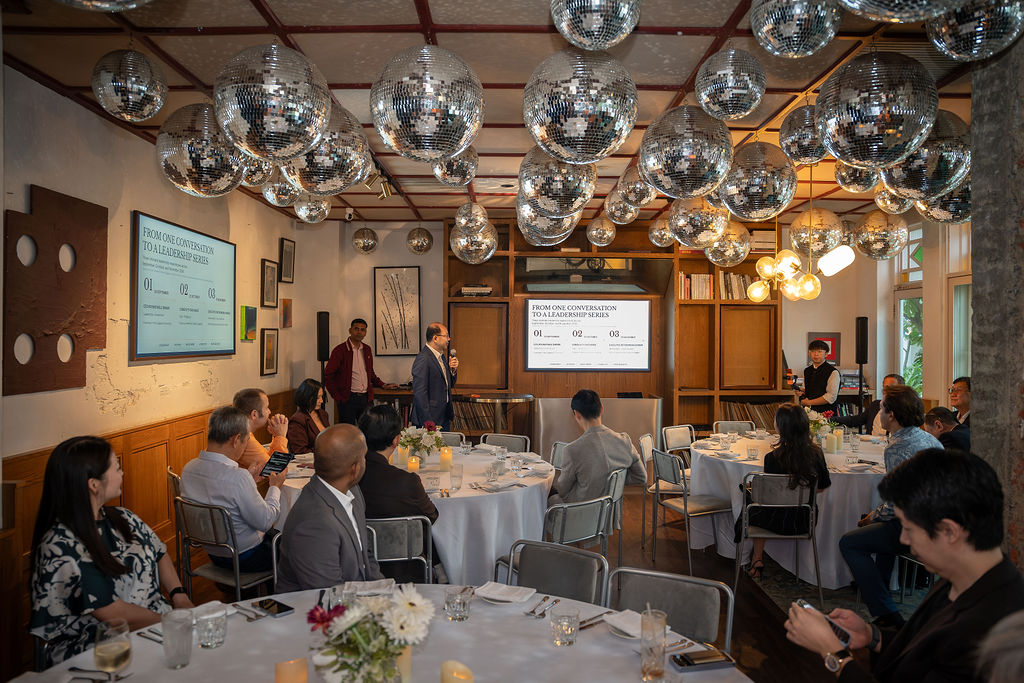
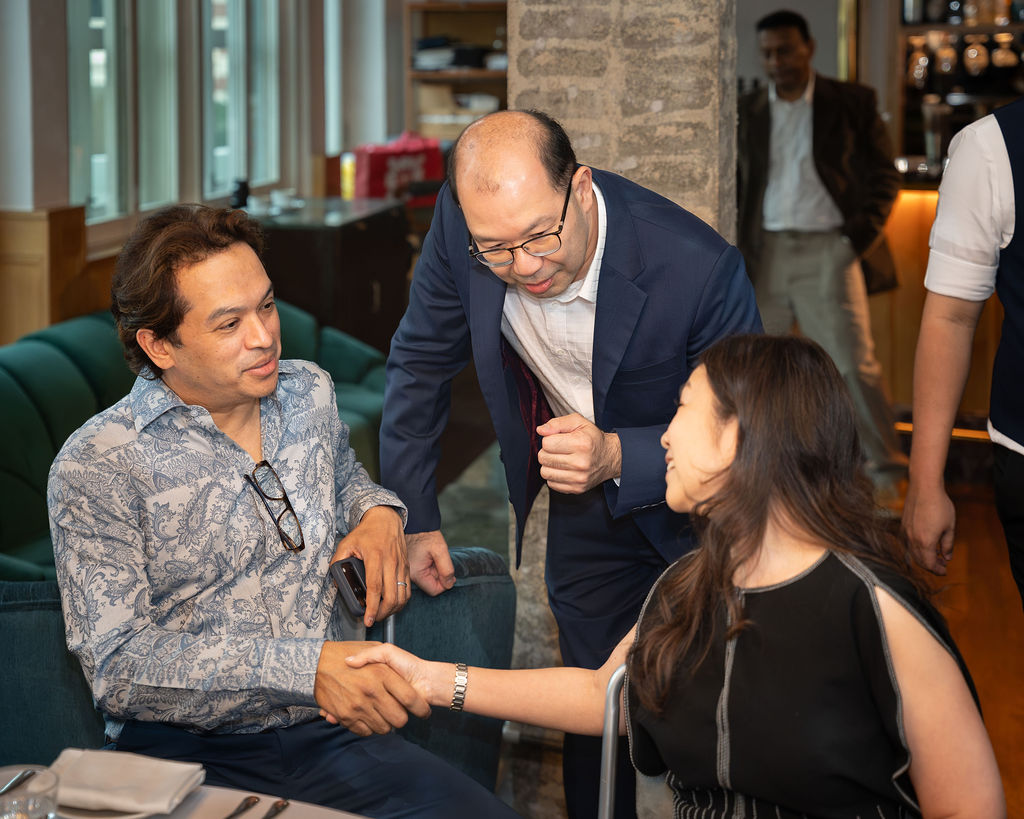
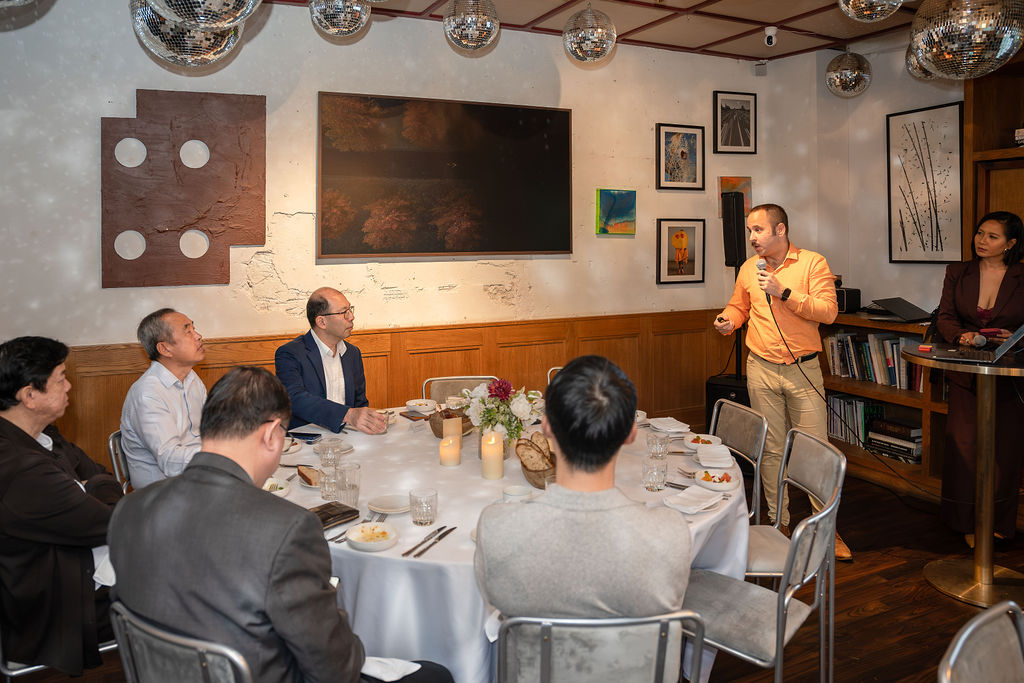
On September 24, 2026, an intimate gathering of healthcare and investment leaders in Singapore explored how longer lifespans are reshaping medicine and health. The event was part of the Italian-Singapore Longevity Initiative, aimed at connecting leaders across healthcare, science, investment, and wellness.
The central question posed was not just about living longer, but living better for longer. This conversation framed longevity as a convergence of advances in biology, healthcare delivery, demographic changes, technology, and the evolving expectations of an ageing population.
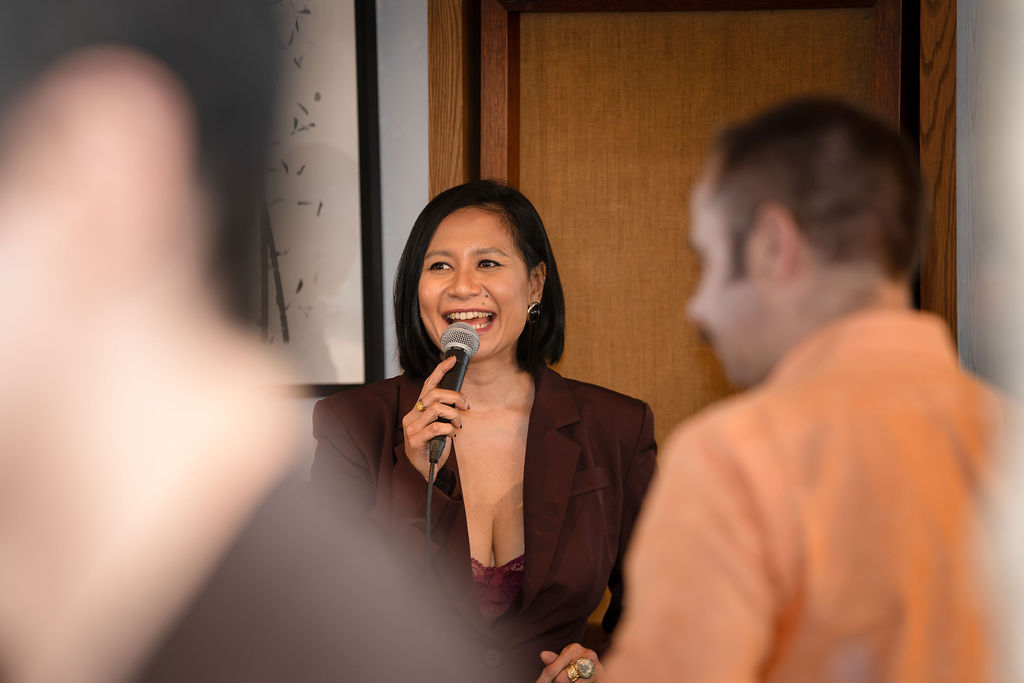
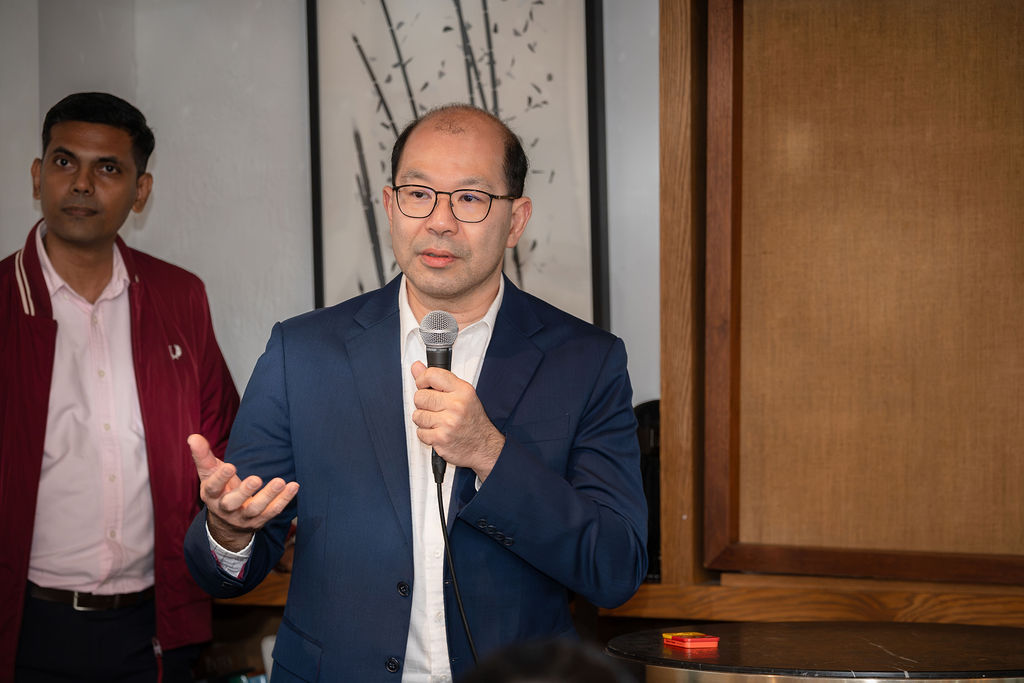
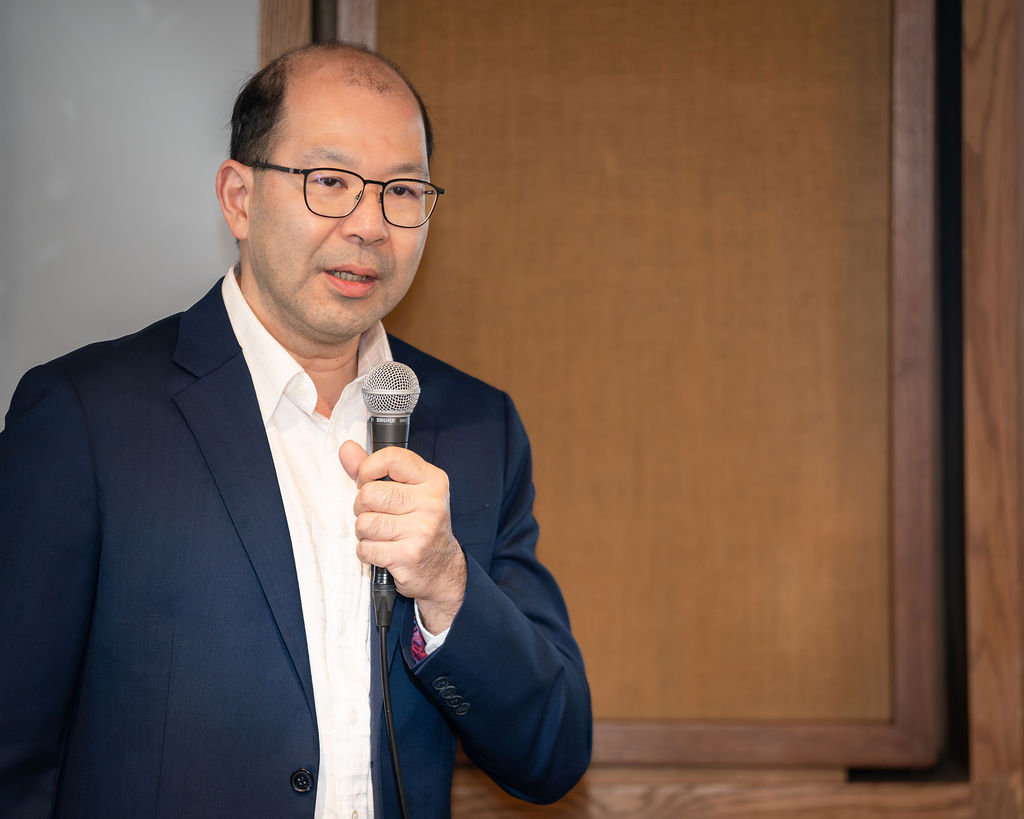
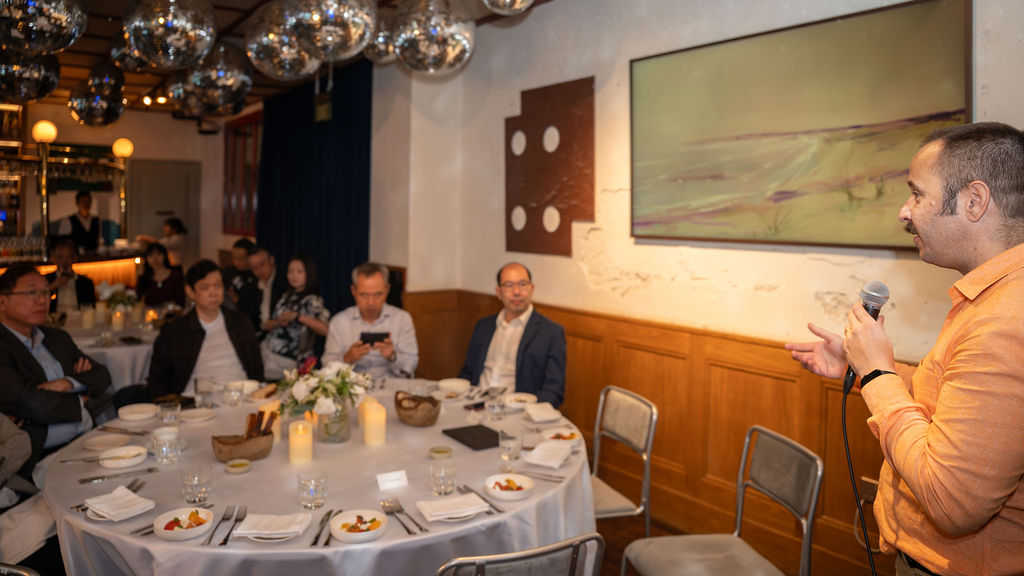
Two key speakers contributed to the discussion.
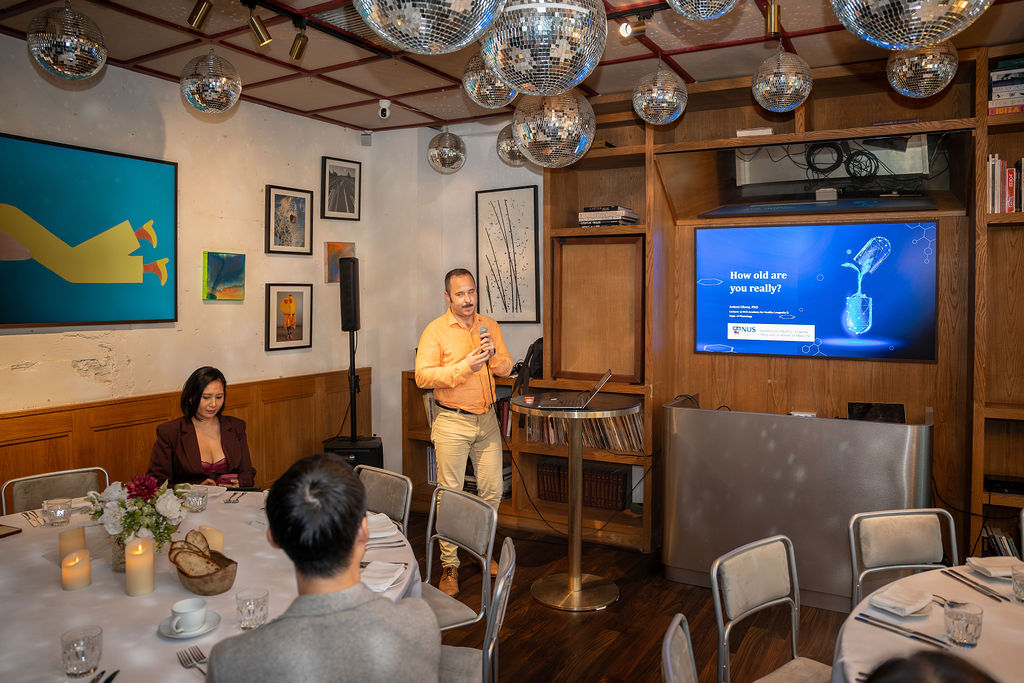
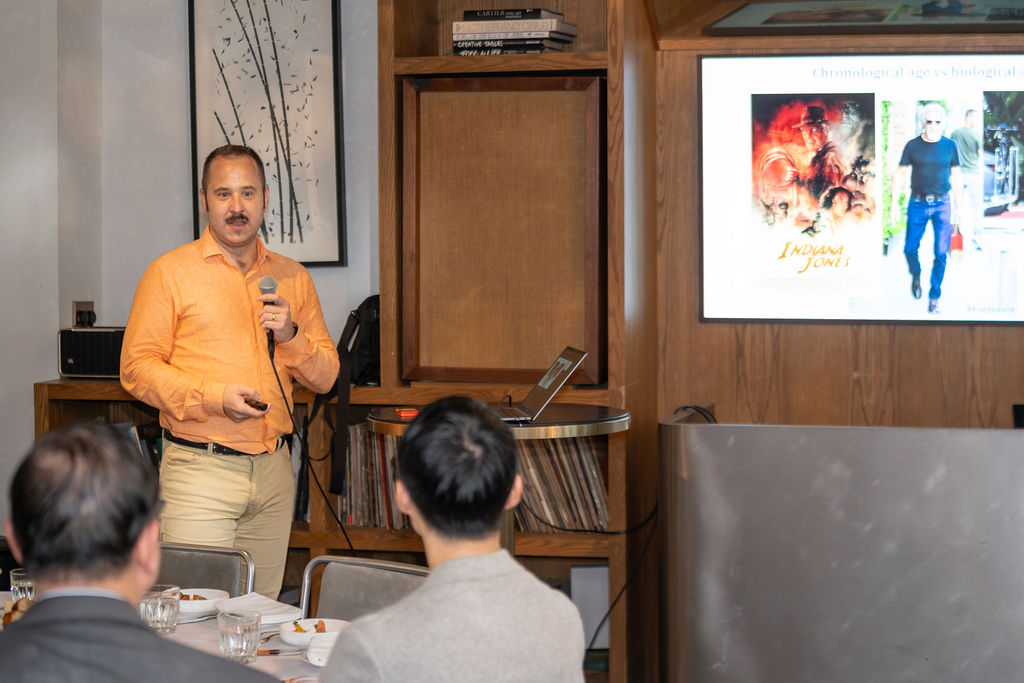
Dr. Antoni Olona from the NUS Academy for Healthy Longevity emphasized the distinction between chronological age and biological age. He argued that true understanding of ageing comes from assessing physical and mental capacities, physiological function, and disease risk rather than just the date on a birth certificate. His insights highlighted that biological age should be actionable and predictive, influencing health interventions and outcomes.
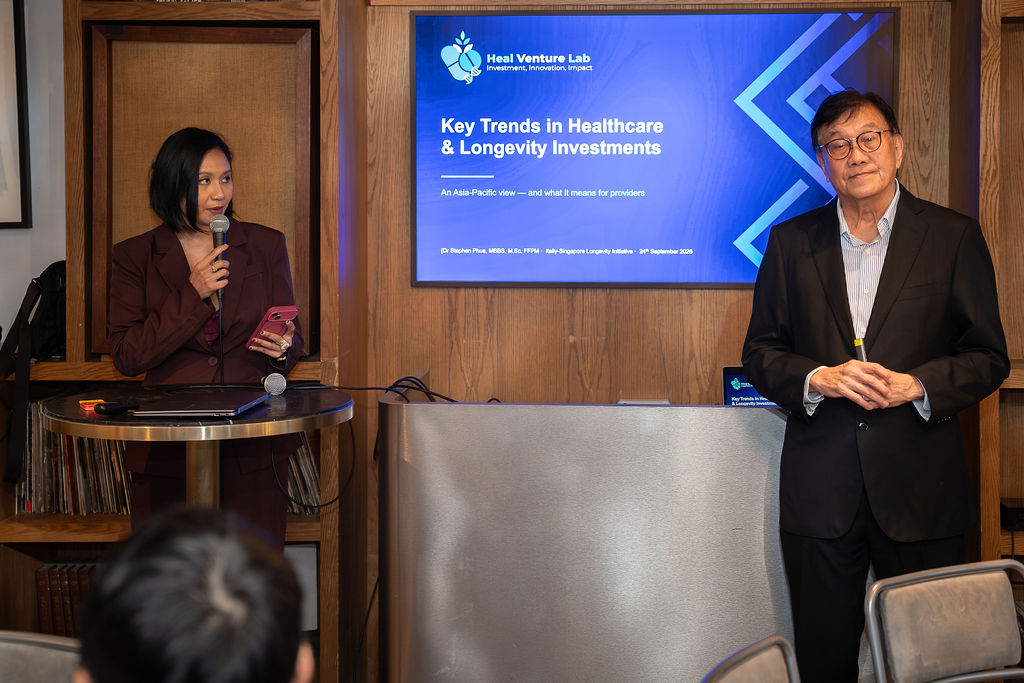
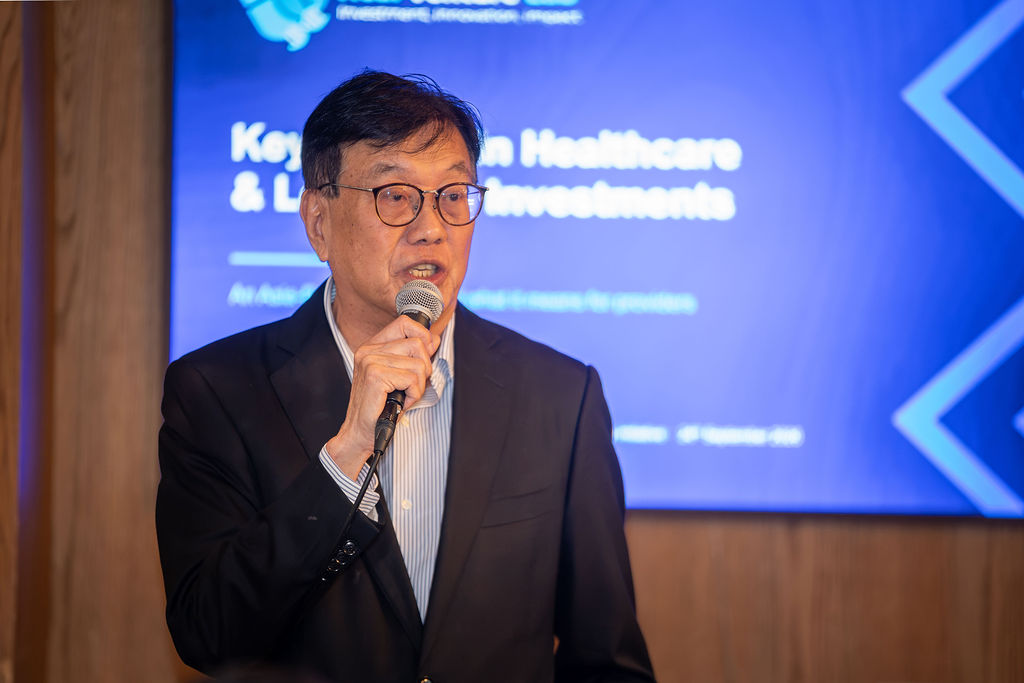
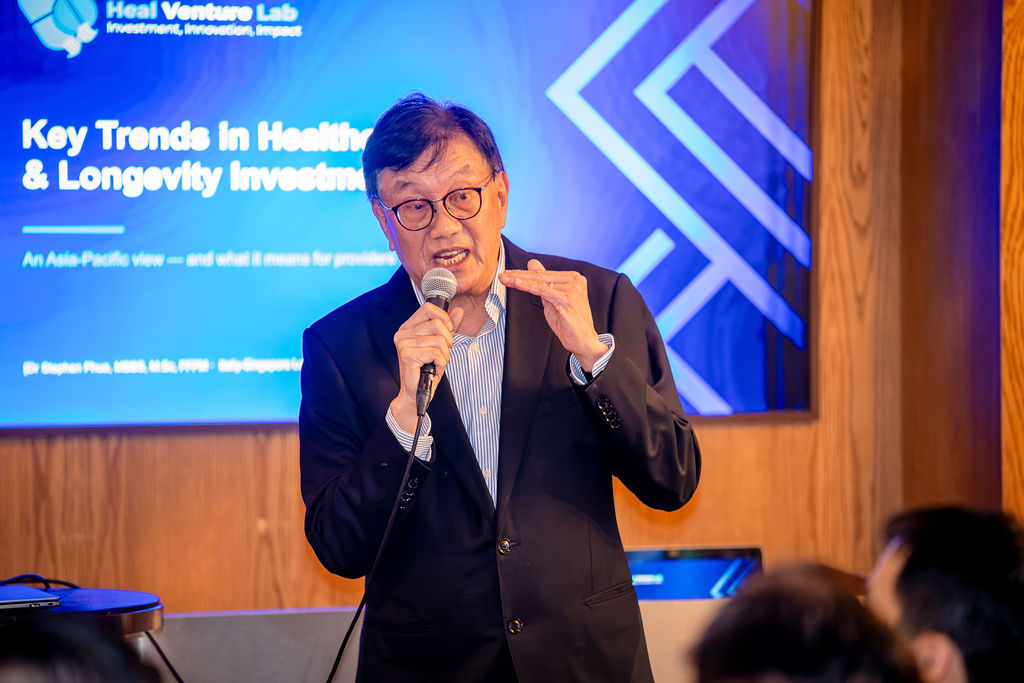
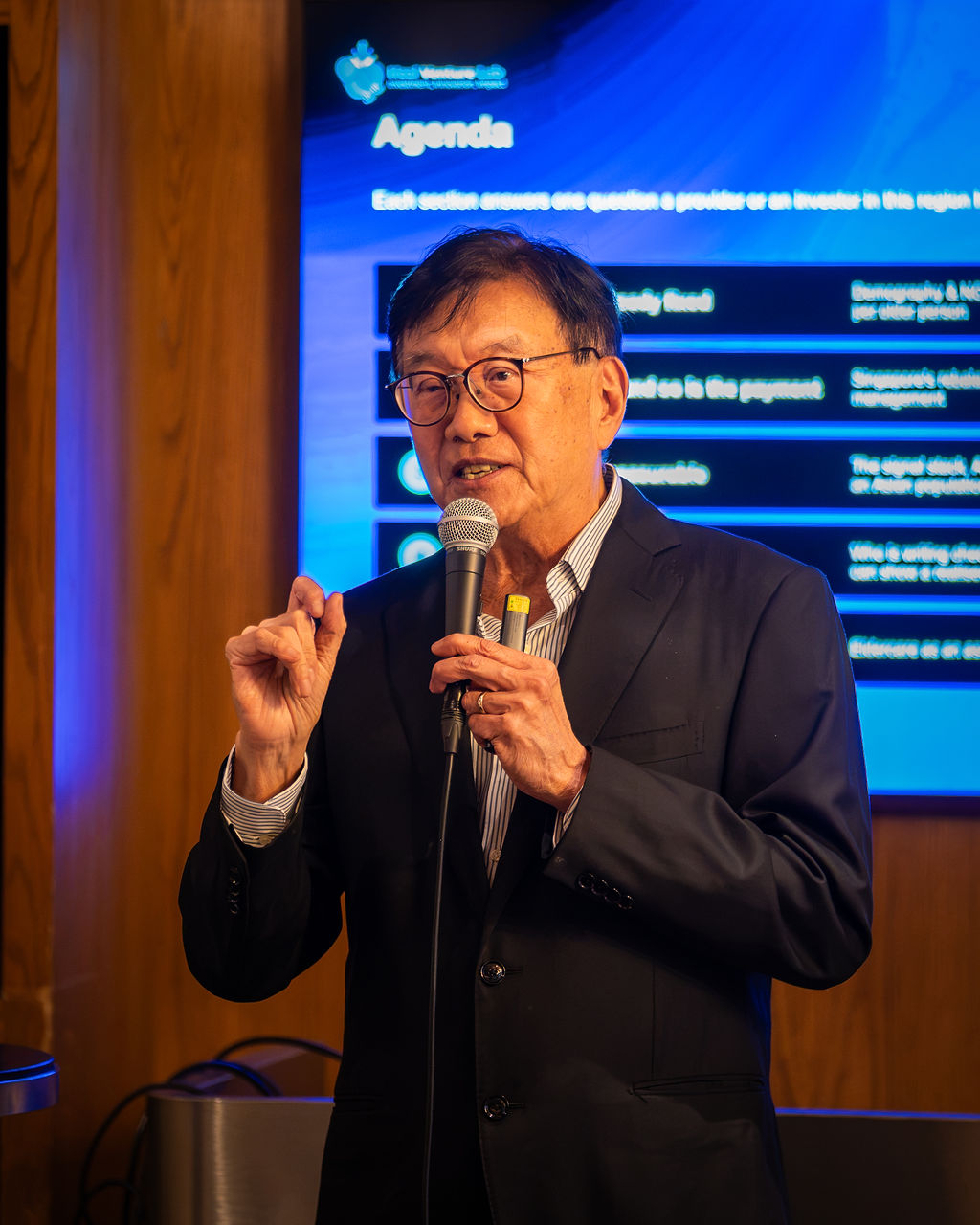
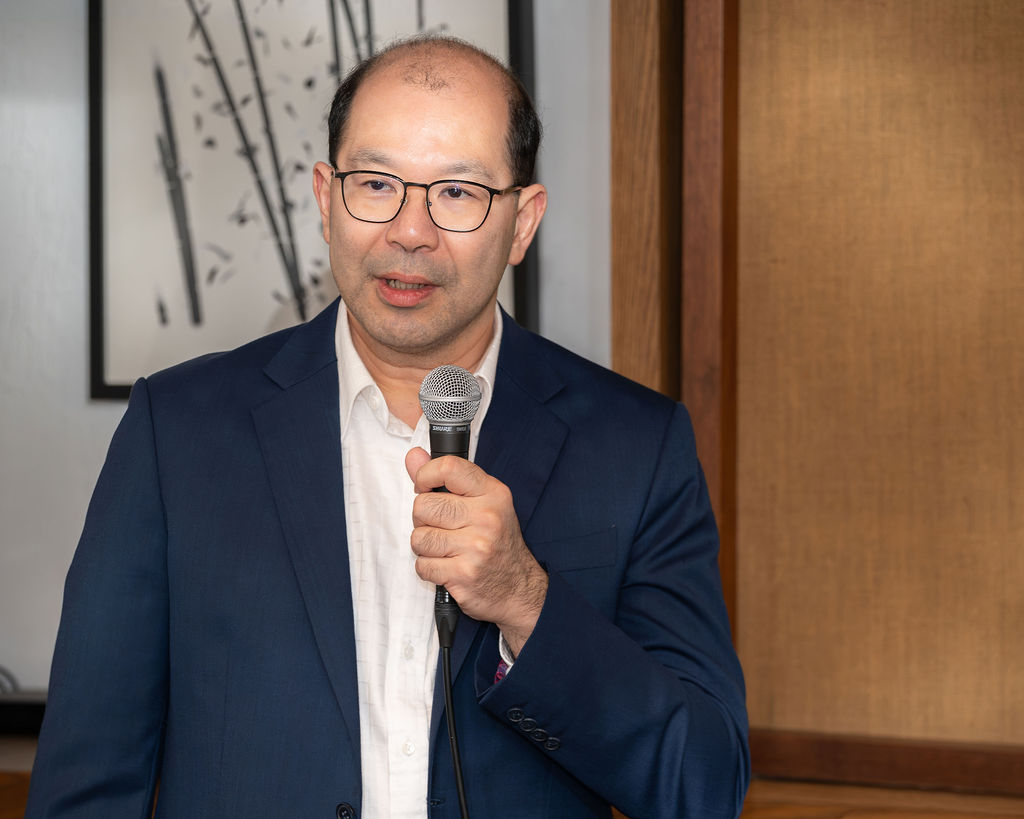
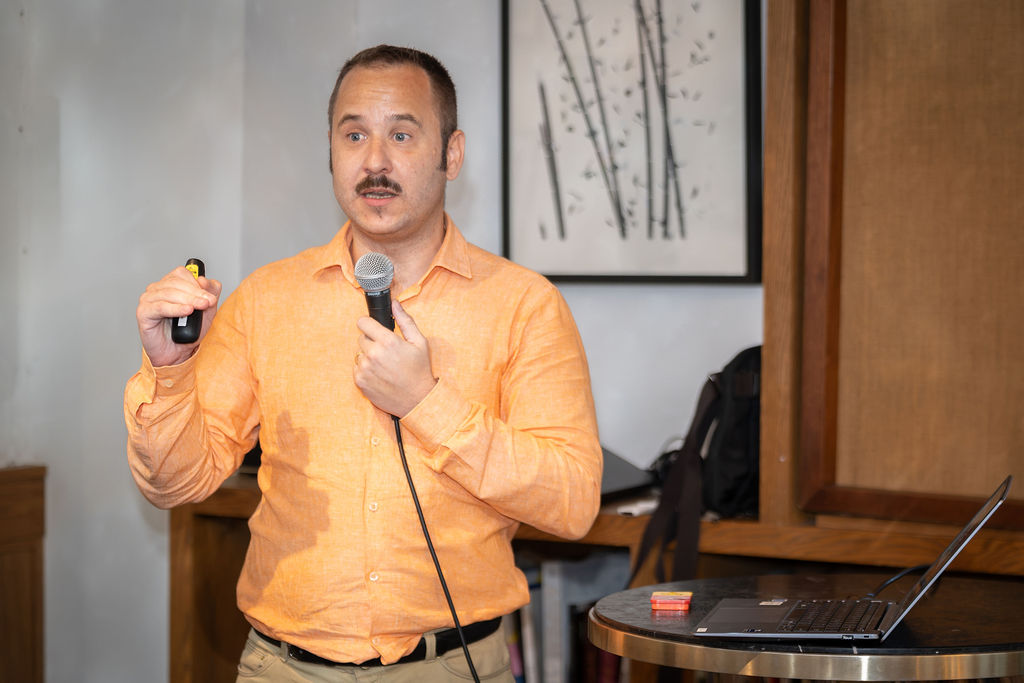
Dr. Stephen Phua presented on the implications of an ageing Asia for healthcare providers and investors. He identified five interconnected forces shaping the landscape: demographic changes, shifting disease patterns, rebalancing healthcare delivery, measurable ageing, and evolving longevity investments. He noted that the Asia-Pacific population aged 65 and above is projected to nearly double from 503 million in 2024 to 996 million by 2050. This demographic shift necessitates a transition from acute hospital care to primary and community care, emphasizing prevention and longitudinal management.
Phua distinguished between two longevity markets: the scientific side, involving emerging technologies like gene therapy and biomarkers, and the delivery side, focusing on preventive diagnostics and health services designed around measurable outcomes. This distinction provided investors with a framework to approach longevity without oversimplifying the sector.
A recurring theme was the difference between lifespan and healthspan. Dr. Phua highlighted the gap between average life expectancy and healthy life expectancy, emphasizing the need to increase the years individuals remain independent and functional. This perspective encourages a proactive model of ageing care for clinicians and raises questions for investors about sustainable healthcare delivery models.
The discussion positioned Singapore as a key player in the regional transformation of healthcare, with efforts to enhance community-based ageing infrastructure and early intervention strategies. The Italian-Singapore initiative aims to foster collaboration between Italian medical expertise and Asian healthcare networks, moving from conversation to actionable partnerships.
In summary, the gathering underscored the importance of integrating scientific inquiry with healthcare delivery and investment strategies, emphasizing that longevity is a multifaceted conversation involving diverse stakeholders.
The conversation continues
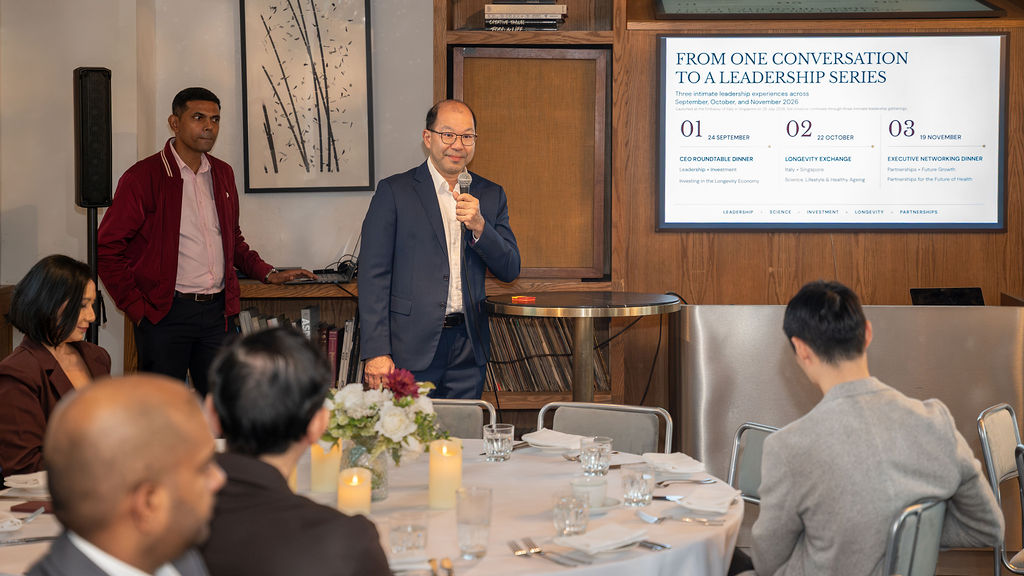
The 24th September gathering is the first of three intimate leadership experiences planned for September, October and November 2026.
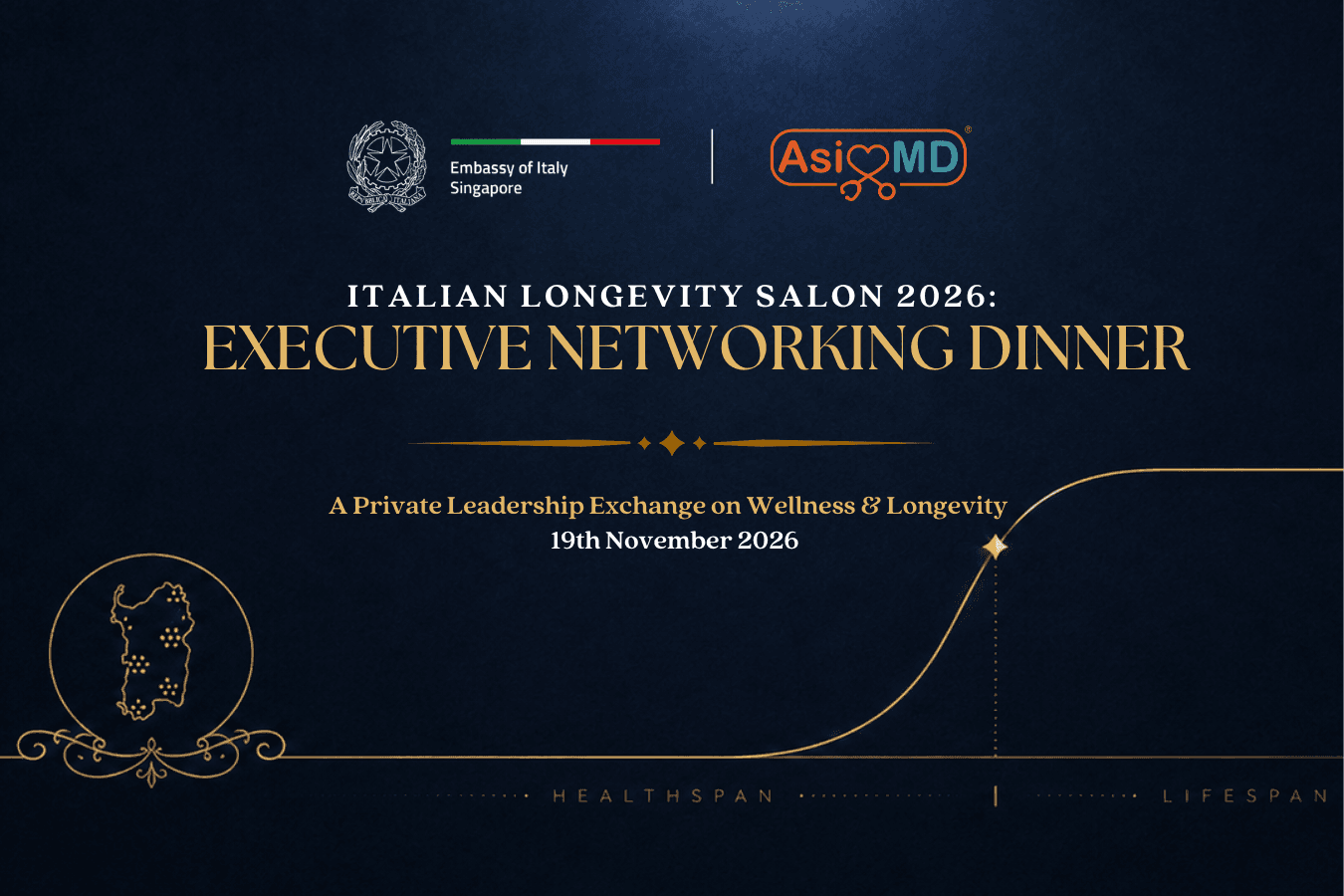
The programme continues with the Longevity Exchange on 22 October, focused on science, lifestyle and healthy ageing, followed by an Executive Networking Dinner on 19 November, centred on partnerships and future growth.
The longer-term vision extends into 2027, with proposed conversations examining themes including Women, Wealth & the 100-Year Life, Longevity Without Borders, and Designing the 100-Year World reflecting the increasingly broad implications of longer lives for healthcare, finance, cities, housing, food, mobility, technology and care.