This article has been fact-checked by Dr Chong Kian Tai, urologist at Surgi-TEN Specialists, Farrer Park Hospital, Singapore.
About the Doctor
Varicocele surgery, or varicocelectomy, is one of the most common procedures performed to address male infertility, testicular discomfort, and potential hormonal imbalances. A varicocele refers to abnormal enlargement of veins in the scrotum, similar to varicose veins in the legs. Left untreated, it may impair sperm production, reduce testosterone levels, and even cause testicular shrinkage. Planning varicocele surgery carefully is essential to achieving the best results, minimizing complications, and improving long-term fertility outcomes.
Who Needs Varicocele Surgery?
Not every man with a varicocele requires surgery. In fact, many are asymptomatic and may never face fertility issues. Surgery may be recommended in cases of:
- Male infertility with abnormal semen parameters.
- Adolescent testicular atrophy, where the affected testis is smaller than normal.
- Chronic scrotal pain not relieved by conservative measures.
- Low testosterone levels linked to testicular dysfunction.
Preoperative Preparation and Assessment
Thorough pre-operative evaluation greatly influences varicocelectomy outcomes. Some of the assessments include:
- Scrotal ultrasound scan to confirm the diagnosis and grade its severity.
- Semen analysis for those with subfertility.
- Hormonal testing (FSH, LH, testosterone) when hormonal dysfunction is suspected.
- Physical examination to clinically grade the varicocele.
Equally important is patient counseling. Men should understand that while varicocelectomy often improves semen quality, conception rates depend on other additional factors, including the female partner’s fertility.
Choosing the Best Varicocelectomy Technique
The choice of surgical method plays a major role in determining recurrence rates and complications. Options include:
- Microsurgical varicocelectomy – Considered the gold standard due to the best outcome, lowest recurrence rates, minimal complications, and preservation of arteries and lymphatics.
- Inguinal or retroperitoneal open surgery – Less common today due to higher recurrence.
- Laparoscopic varicocelectomy – Useful for bilateral cases but with slightly higher complication risks.
- Percutaneous embolization – A minimally invasive, radiology-guided technique, which is suitable in selected patients but not widely available.
When possible, the microsurgical approach is preferred, as it has been consistently shown to yield superior fertility outcomes.
Intra-operative Best Practices
During surgery, certain steps can help maximize success:
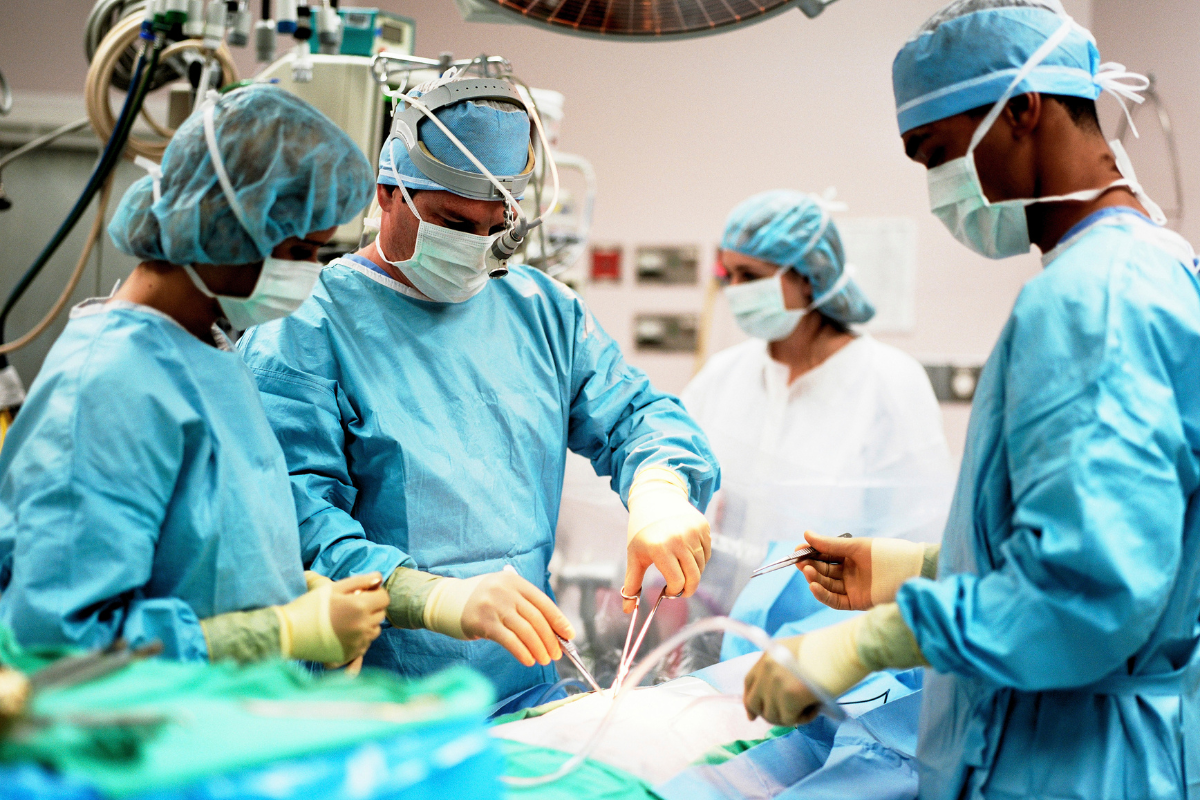
- High magnification using a microscope or surgical loupes for accurate identification of veins and sparing of arteries.
- Meticulous ligation of dilated veins while avoiding injury to lymphatic channels
- Careful hemostasis to reduce risk of hematoma and infection.
These strategies lower complication rates and improve long-term testicular function.
Post-operative Recovery and Follow-Up
Good post-operative care is vital to ensure smooth recovery and optimal results. Patients should be advised to:
- Rest and avoid heavy physical exertion for 1 to 2 weeks.
- Use scrotal support to reduce pain and swelling if necessary.
- Monitor for signs of infection or persistent swelling.
- For fertility assessment, repeat semen analysis at 3 to 6 months to check for improvement.
Most men see significant improvement in semen quality within 3 to 12 months after surgery.
Tips to Improve Long-Term Outcomes
To maximize success after varicocelectomy:
- Choose the right technique – Microsurgical varicocelectomy remains the most effective.
- Intervene early in men – Before reaching severe varicocele and testicular atrophy.
- Address both partners’ fertility – Coordinating female fertility optimization to ensure higher pregnancy rates.
- Maintain healthy lifestyle choices – Avoid smoking, excessive alcohol, and heat exposure to the testes, which can impair sperm quality.
Conclusion
Planning a varicocele surgery is more than just scheduling an operation—it involves selecting the appropriate reasons for surgery, performing thorough preoperative assessments, choosing the most effective surgical technique, and ensuring careful postoperative care. When these steps are followed, varicocelectomy can significantly improve semen parameters, reduce pain, restore testicular function, and enhance male fertility outcomes.