Indonesia is taking action to safeguard children’s health and climate resilience amid mounting climate risks, while policymakers and communities look to integrate well-being into broader social strategy. Environmental and health pressures increasingly intersect, pushing child welfare into the forefront of national discourse.
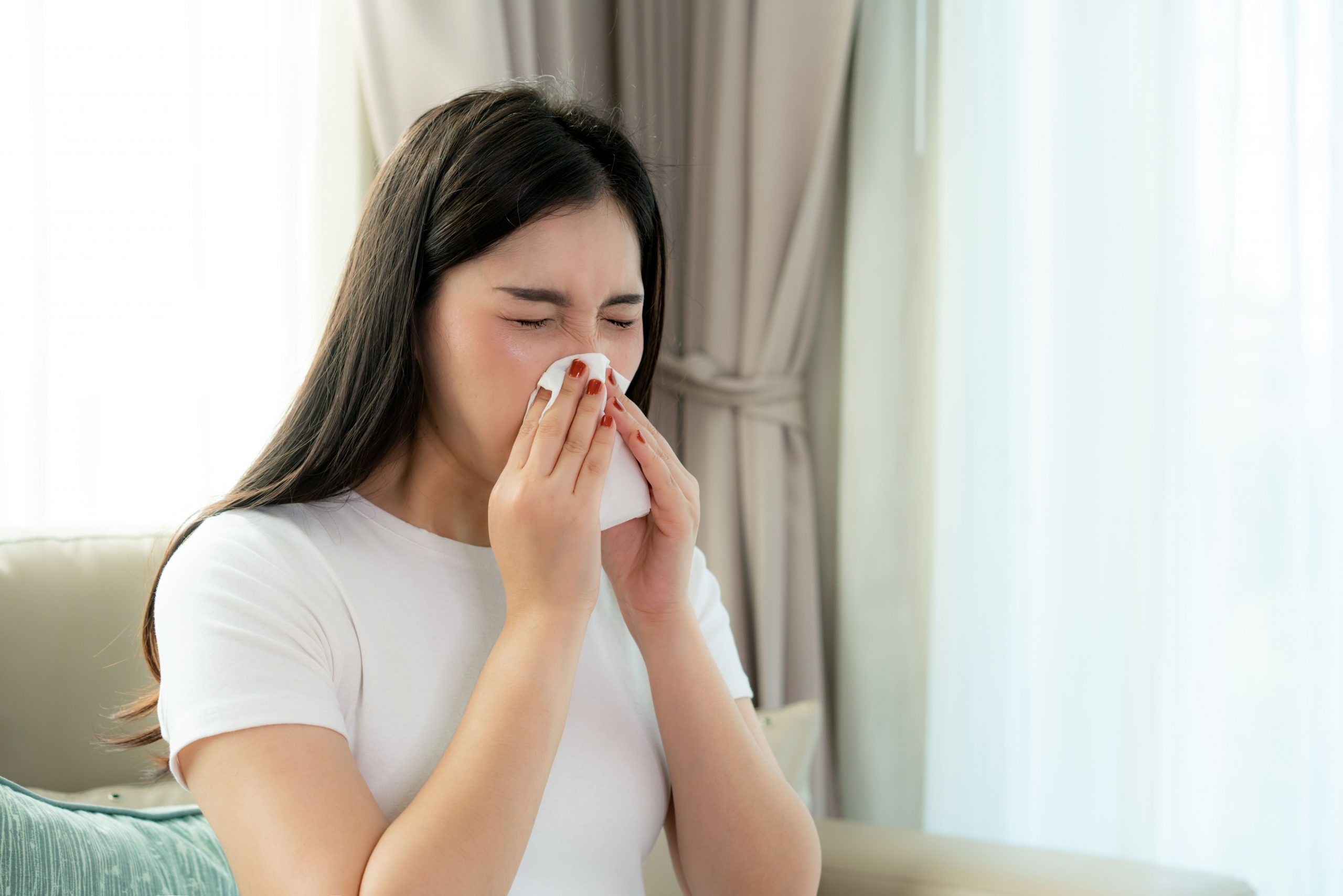
Indonesia is ranked among the world’s most climate-vulnerable countries for children, recent assessments highlight the deep links between environmental risk and child well-being. According to the Children’s Climate Risk Index, Indonesia places 46th out of 163 countries in terms of exposure to climate-related threats such as heatwaves, flooding, and vector-borne disease, risks that directly affect children’s health, nutrition, and daily activity.
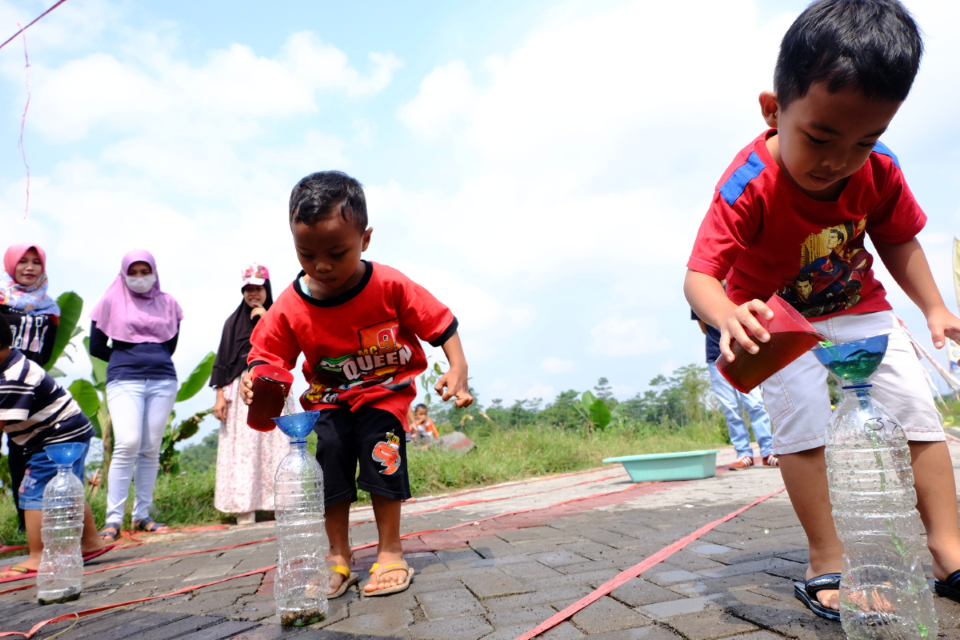
In response, public policy and civic engagement are shifting. Government ministries have launched campaigns such as “I, You, and We are Earth” designed to rally youth and children in environmental protection and climate education, recognising that empowering young people to act on climate issues not only builds resilience but promotes emotional and psychological well-being through constructive engagement.
This focus on holistic well-being is complemented by efforts from NGOs and international partners that emphasise nutrient access, health services, and educational continuity for youths exposed to environmental stressors. Indonesia’s interlinked climate health challenge from increased disease risk to disrupted schooling and food insecurity is prompting conversations about expanding social safety nets and embedding well-being into broader health and education systems. Public health professionals argue that beyond reducing exposure to climate risk, supporting children’s emotional resilience and community involvement is a core part of a future-ready wellness agenda. Indonesia’s wellness dialogue increasingly bridges environmental health, child rights frameworks, and public policy, underscoring how climate adaptation strategies must now include mental and social dimensions of health to protect its youngest citizens.