




Ageing
Lifespan vs Healthspan: Are We Chasing More Years, or Better Years?

Longevity is having a moment.
From anti-ageing supplements and wearable health trackers to wellness retreats and cutting-edge medical technologies, the pursuit of a longer life has been hitting the headlines for a while now. Every now and then, the news seems to bring news of a new breakthrough promising to slow ageing, improve health, or even extend the human lifespan.
But amid all the excitement surrounding longevity, perhaps more focus should be on extending healthspan—the number of years we remain healthy, active, and able to reasonably enjoy life.
What is Healthspan?
Never before have humans lived as long as they do today. Advances in medicine, sanitation, nutrition, and public health have dramatically increased life expectancy across much of the world.
Yet while lifespan has increased, healthspan has not always kept pace:
“Today, the average person (in the United States) spends about 10 years with chronic ailments like diabetes, cancer, arthritis, cardiovascular disease, dementia, cataracts or osteoporosis — roughly double the duration in the 1960s” Susan Roberts, a professor of medicine and epidemiology and senior associate dean for foundational research at Dartmouth College
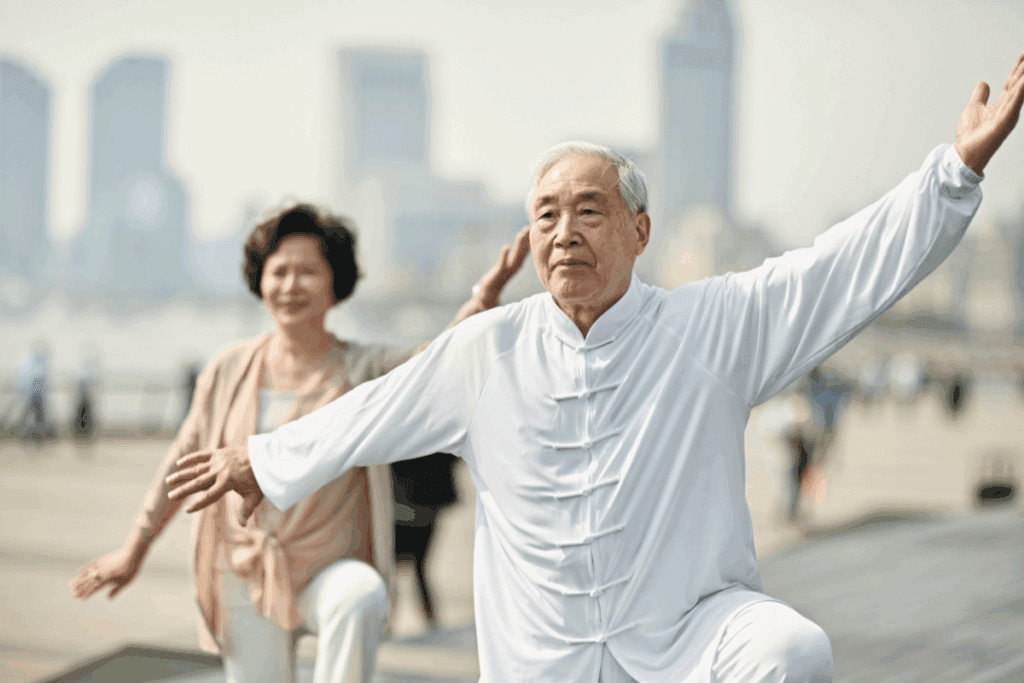
Healthspan refers to the number of years we spend in good health—free from major chronic disease, disability, or significant physical and cognitive decline.
Many people spend their final years managing chronic conditions such as heart disease, diabetes, arthritis, dementia, or reduced mobility. As a result, longevity experts are increasingly shifting their focus away from simply extending life and towards preserving quality of life.
After all, what is the value of adding years if those years cannot be lived properly?

Healthspan: The New Frontier of Healthy Ageing
Modern longevity science is beginning to embrace a different perspective.
Besides asking, “How can I live to 100?” researchers are also exploring solutions to, “How can I remain healthy, active, and independent for as long as possible?”.
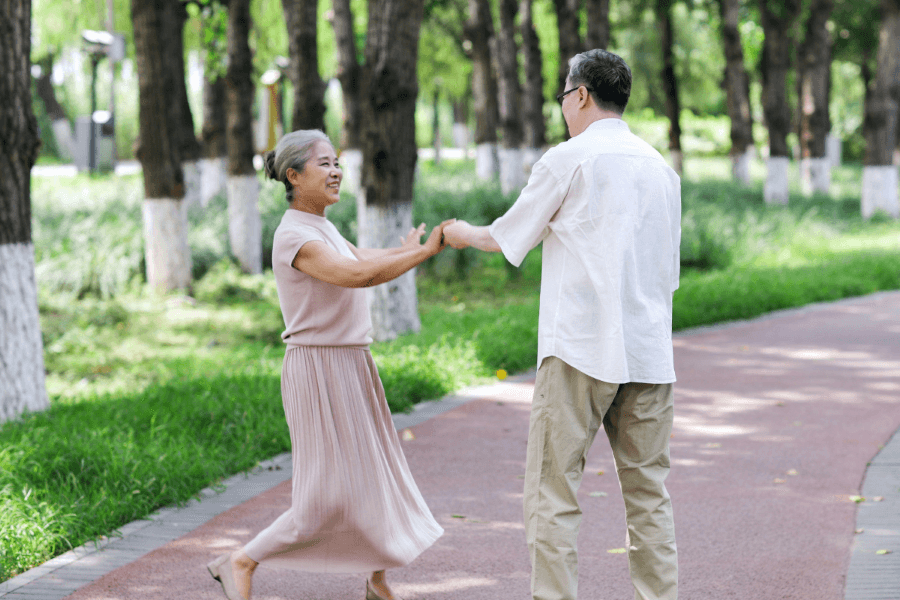
This distinction is becoming increasingly important. After all, few people aspire to simply reach the age of 100 and beyond if those extra years are spent battling illness, pain, or loss of independence. Instead, many are seeking something far more attainable: the ability to remain physically active, mentally sharp, emotionally resilient, and socially engaged throughout their later years. They want to continue travelling, pursuing hobbies, spending meaningful time with loved ones, contributing to their communities, and enjoying life without being limited by preventable health conditions.
The growing emphasis on healthspan reflects a broader shift in healthcare and wellness. Traditionally, healthcare systems have focused on treating disease after it occurs. Today, there is increasing recognition that preventing illness and maintaining function may be just as important as treating medical conditions.
Why Healthspan Matters
Global populations are ageing rapidly. According to the World Health Organization, the number of people aged 60 years and older is expected to double by 2050. Researchers at the Oxford/UCL Generational Health Study found that people born in more recent decades have higher rates of chronic illness and disability than earlier generations at the same age, despite longer life expectancy.
This has led healthcare professionals and researchers to ask an important question: How can we not only add years to life but also add life to those years? The answer lies in extending healthspan.
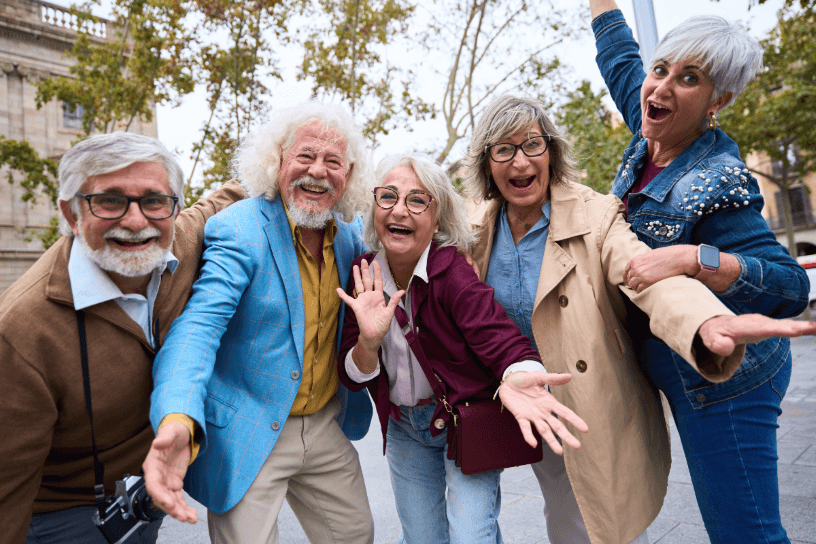
A longer healthspan means more years spent enjoying meaningful relationships, pursuing hobbies, travelling, remaining physically active, and maintaining independence. It can also reduce healthcare costs and improve overall quality of life.
Reaching the age of 100 may be an impressive milestone, but perhaps the more important question is this: What kind of life will we be living while we get there? The pursuit of longevity should not be measured by mere birthdays alone, but by our ability to remain curious, active, connected, and engaged with the world around us.